Weighted Blanket Subscription: The Ultimate Guide to Pros, Cons, Costs, and Whether It Is Worth It
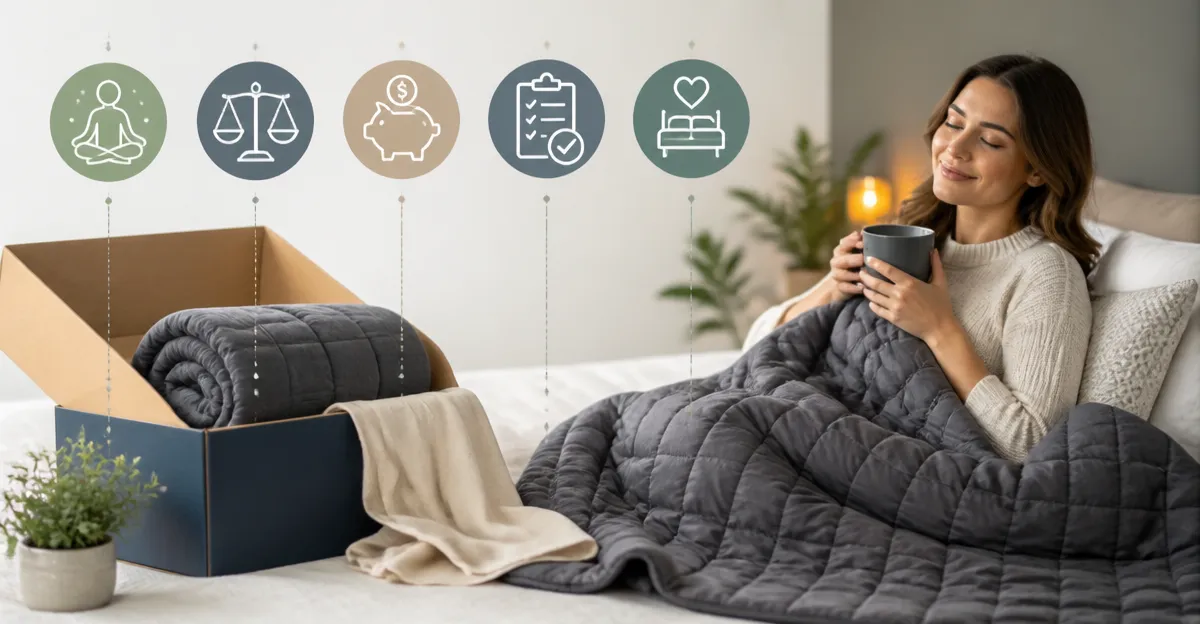
Weighted blankets have become a staple for individuals seeking deeper, more restful sleep. As the market expands, many retailers now offer subscription models that promise convenience, regular updates, and cost savings. This guide examines the mechanics of weighted blanket subscriptions, evaluates their advantages and disadvantages, and provides actionable advice for consumers. Readers will also find expert product recommendations that illustrate how a subscription can complement a healthy sleep routine.
Background and Context
Weighted blankets are therapeutic blankets filled with glass or ceramic beads that typically weigh 5 to 30 pounds. The blanket’s weight is designed to provide gentle, evenly distributed pressure, a technique known as deep pressure stimulation (DPS). DPS has been shown to reduce cortisol levels, increase serotonin, and improve sleep quality, especially for individuals with anxiety, insomnia, or sensory processing challenges.
Historically, consumers purchased a single blanket and used it indefinitely. However, wear and tear, seasonal temperature changes, and evolving personal preferences have created demand for more flexible purchasing options. Subscription services address these needs by delivering new blankets on a scheduled basis, often with the ability to swap models, sizes, or materials.
Understanding the fundamentals of weighted blankets—such as appropriate weight selection (generally 8‑10 % of body weight), material breathability, and stitching quality—is essential before evaluating subscription offers. The following sections break down these concepts and illustrate how they intersect with subscription models.
Key Concepts and Strategies
How Weighted Blanket Subscriptions Work
Most subscription services operate on a monthly or quarterly cycle. Subscribers select a preferred weight, size, and material, and the retailer ships a new blanket at the chosen interval. Some programs include a “refresh” option, allowing customers to return an older blanket for a discount on the next one. This model can be particularly beneficial for those who experience seasonal temperature fluctuations, as lighter fabrics can be swapped for cooler options in summer and vice versa.
Subscriptions may also feature tiered pricing, where higher‑tier plans provide premium fabrics such as breathable microfiber or dual‑sided Sherpa fleece. The recurring nature of the payment often reduces the per‑unit cost compared with a one‑time purchase, but it also introduces ongoing financial commitments.
Recommended Products for Subscription Users
When selecting a blanket for a subscription, consider durability, breathability, and ease of cleaning. The BETU Weighted Blanket offers a microfiber polyester exterior that is skin‑friendly and breathable, making it suitable for year‑round use. Its 20 lb weight is ideal for users weighing 180‑220 lb, and the 5×5 stitched pockets ensure even bead distribution, reducing the risk of shifting over time.
For those who prefer a plush, cozy feel, the Wemore Sherpa Weighted Blanket combines a 220 gsm fleece side with a fuzzy Sherpa reverse, delivering a dual‑sided experience that can be rotated based on personal comfort and ambient temperature. Its 7‑layered design, featuring premium ceramic beads encased in double‑layer polyester, minimizes noise and bead movement, a valuable feature for subscription cycles where the blanket may be handled frequently.
Cost Structures and Value Assessment
Subscription pricing typically ranges from $20 to $45 per month, depending on blanket weight, material, and delivery frequency. For example, a quarterly plan for a 20 lb microfiber blanket might cost $75 per delivery, effectively lowering the unit price from the standard $29.99 retail price when factoring in promotional discounts and free shipping. Conversely, a monthly plan for a dual‑sided Sherpa blanket could be priced at $35 per month, which may exceed the cost of a single purchase but offers the benefit of regular updates and the option to switch fabrics seasonally.
Consumers should calculate the total cost of ownership over a typical usage period (e.g., 12 months) and compare it with the one‑time purchase price. If the subscription includes additional services such as free cleaning kits, extended warranties, or a hassle‑free return policy, the higher recurring cost may be justified.
Comparison and Selection Guide
Choosing the right weighted blanket subscription involves evaluating personal needs against product features and subscription terms. The table below contrasts the two featured blankets and highlights key subscription considerations.
| Feature | BETU Weighted Blanket | Wemore Sherpa Weighted Blanket |
|---|---|---|
| Weight Options | 20 lb (recommended for 180‑220 lb users) | 15 lb (suitable for 120‑180 lb users) |
| Material | Microfiber polyester – breathable, skin‑friendly | Dual‑sided: 220 gsm fleece & Sherpa – ultra‑soft, warm |
| Stitching | 5×5 pocket stitching, 7‑layer bead containment | 7‑layer design with ceramic beads, double‑layer fabric |
| Rating | 4.6/5 (5,304 reviews) | 4.7/5 (6,242 reviews) |
| Price (one‑time) | $29.99 | Not listed – typically $40‑$50 |
| Best For | Individuals seeking breathable, year‑round comfort | Those who prioritize plush warmth and dual‑side versatility |
When evaluating subscription plans, ask the following questions:
- Does the plan allow me to change weight or material without penalty?
- What is the total cost over a year compared with a single purchase?
- Are there any hidden fees such as processing or return shipping?
- Is the retailer reputable, as indicated by product ratings and review volume?
Best Practices & Tips
- Start with the correct weight. Select a blanket that is 8‑10 % of your body weight; this ensures optimal deep‑pressure stimulation without causing discomfort.
- Consider seasonal fabrics. A breathable microfiber blanket like the BETU model works well in warmer months, while the Wemore Sherpa blanket provides added insulation for colder periods.
- Read the care instructions. Both featured blankets are machine‑washable, but the Sherpa version recommends commercial‑grade machines and low‑temperature tumble drying to preserve the plush texture.
- Utilize trial periods. Many subscription services offer a 30‑day satisfaction guarantee; use this window to assess comfort and durability before committing long‑term.
- Track your expenses. Maintain a simple spreadsheet comparing monthly subscription fees against the projected cost of buying a new blanket outright.
Frequently Asked Questions
- Can I cancel a weighted blanket subscription at any time? Most reputable services allow cancellation with a 30‑day notice, though some may charge a small administrative fee. Review the terms before enrolling.
- How often should I replace my weighted blanket? With proper care, a high‑quality blanket can last 3‑5 years. Subscriptions can be useful if you prefer to upgrade fabrics or weights more frequently.
- Do subscription blankets come with warranties? Many providers include a one‑year limited warranty covering fabric defects and bead leakage. Always verify warranty details on the product page.
- Is the deep pressure from a weighted blanket safe for children? Children should use blankets that are 5‑10 % of their body weight, typically under 10 lb. Some subscription services offer child‑size options, but verify safety guidelines before purchase.
- Will a heavier blanket cause overheating? Modern designs, such as the BETU blanket’s breathable microfiber and the Wemore blanket’s dual‑side construction, mitigate heat retention. Choose a material that aligns with your climate.
- Are there any health conditions that contraindicate weighted blankets? Individuals with respiratory, circulatory, or musculoskeletal issues should consult a healthcare professional before using a weighted blanket.
- Do subscription services offer discounts for longer commitments? Yes, many providers reduce the per‑unit cost for quarterly or annual plans, making long‑term subscriptions financially attractive.
Conclusion
Weighted blanket subscriptions present a compelling option for consumers who value flexibility, seasonal adaptability, and the convenience of regular deliveries. By weighing the recurring costs against the benefits of updated fabrics and the ability to adjust weight, shoppers can make an informed decision that aligns with their sleep goals. The featured BETU Weighted Blanket and Wemore Sherpa Weighted Blanket exemplify high‑quality choices that integrate seamlessly into subscription models, offering durability, comfort, and strong customer satisfaction.
Ultimately, the decision to subscribe should be guided by personal comfort preferences, budget considerations, and the specific features of the blankets under review. With the insights provided in this guide, readers are equipped to evaluate subscription offers critically and select the optimal solution for restorative sleep.
Products Featured in This Guide
BETU Weighted Blanket
Price: $29.99
Rating: 4.6/5 (5,304 reviews)
Featured because it combines breathable microfiber with precise 5×5 pocket stitching, providing year‑round comfort and durability—key attributes for subscription cycles.
Wemore Sherpa Weighted Blanket
Rating: 4.7/5 (6,242 reviews)
Featured for its dual‑sided fleece and Sherpa construction, 7‑layer bead containment, and premium ceramic beads—ideal for users seeking plush warmth and quiet operation within a subscription framework.