Introduction
The purpose of this guide is to illuminate the most suitable materials for sensory‑friendly weighted blankets, emphasizing softness, breathability, and hypoallergenic properties. Readers will learn how fabric composition influences comfort, how to evaluate weight distribution, and which features enhance therapeutic value. The article also integrates a practical product recommendation that exemplifies the principles discussed. By the end of this guide, one will possess the knowledge required to select a blanket that promotes calm, improves sleep quality, and supports sensory integration.
Background and Context
Weighted blankets originated as therapeutic tools for individuals with anxiety, autism spectrum disorder, and sensory processing challenges. The underlying mechanism relies on deep‑pressure stimulation, which activates the parasympathetic branch of the nervous system, encouraging relaxation and reducing cortisol levels. Material selection plays a crucial role because the blanket must deliver even pressure while remaining comfortable across a range of temperatures. Understanding fabric terminology such as "minky," "microfiber," and "organic cotton" enables consumers to make informed decisions.
Key Material Categories
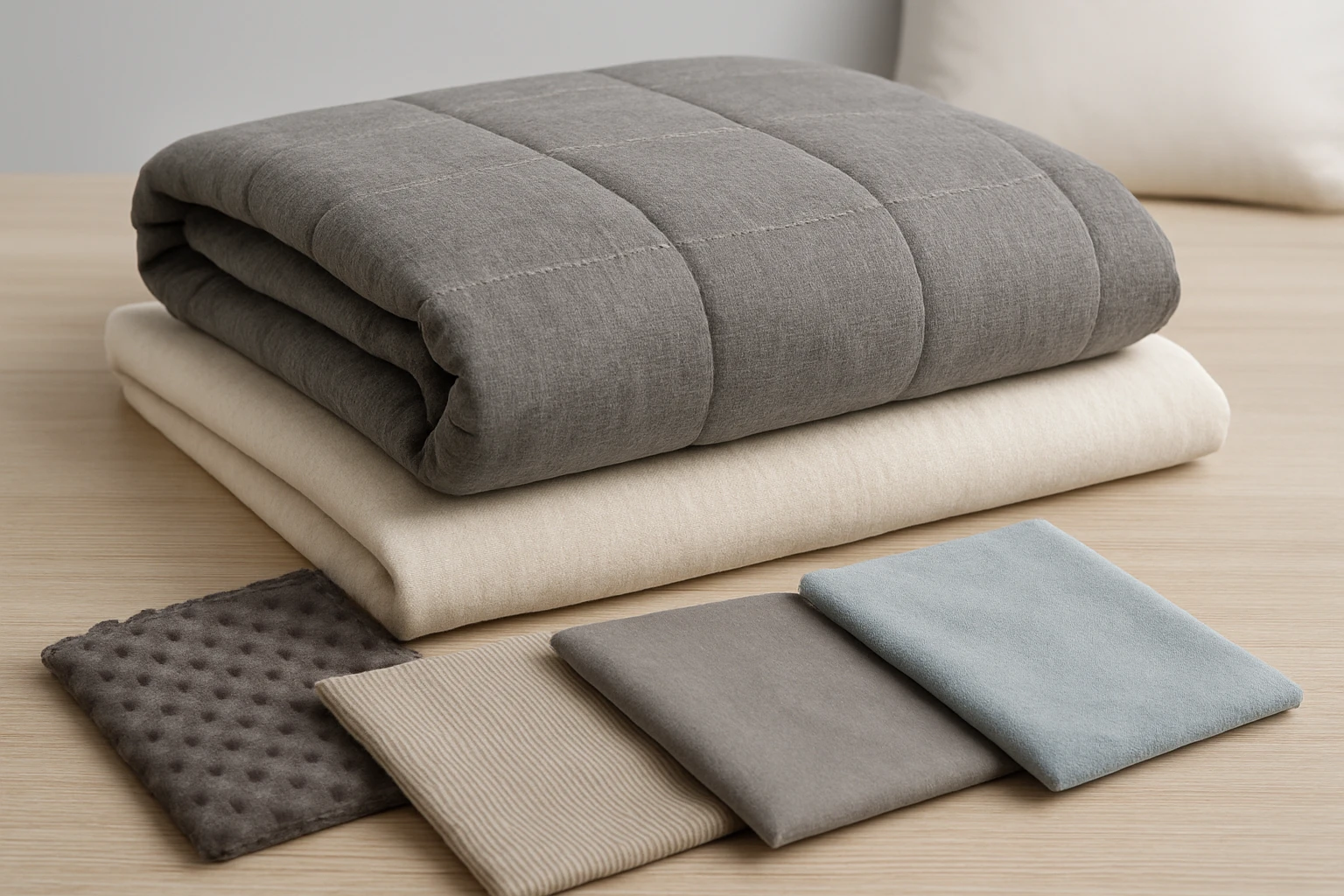
Three primary material categories dominate the weighted blanket market: plush minky fabrics, breathable microfiber blends, and natural organic fibers. Each category offers distinct advantages and trade‑offs regarding softness, airflow, and allergen resistance.
Plush Minky Fabrics
Minky fabric is a double‑knit textile that provides a velvety surface, often described as "cloud‑like." Its dense pile creates a gentle cushioning effect, which can enhance the hug‑like sensation sought by users. Because the fibers are tightly woven, minky retains warmth in cooler environments while still allowing limited airflow. However, some individuals may find minky too insulating for hot climates, making it best suited for year‑round indoor use.
Breathable Microfiber Blends
Microfiber blends combine ultra‑fine polyester fibers with moisture‑wicking treatments, delivering a smooth texture that feels cool to the touch. The open‑weave structure permits air circulation, reducing the risk of overheating during sleep. These fabrics are generally machine‑washable and resistant to pilling, which contributes to long‑term durability. The primary consideration is that synthetic fibers may trigger sensitivities in highly allergic users.
Natural Organic Fibers
Organic cotton and bamboo fabrics are prized for their hypoallergenic qualities and sustainable sourcing. They provide natural breathability, absorbing moisture without retaining odors. The tactile experience is softer than conventional cotton but less plush than minky, offering a balanced feel for users who prefer a lighter touch. The downside is that organic fibers can be more expensive and may require delicate laundering.
Product Recommendation
Among the available options, the Hug Bud Kids Weighted Blanket exemplifies an optimal combination of material quality, weight distribution, and safety features for children aged three to ten.
- Material: Premium minky fabric that offers a silky‑smooth surface while maintaining breathability.
- Weight: 5‑pound fill suitable for toddlers weighing 30‑70 pounds, adhering to the recommended 10 % body‑weight guideline.
- Fill: Evenly distributed lead‑free glass beads secured in stitched compartments to prevent shifting.
- Design: Seven‑layer construction that integrates a stitched‑in cover, eliminating the need for an additional duvet.
- Rating: 4.6 out of 5 stars based on 7,110 customer reviews, indicating high satisfaction.
- Price: $20.99, representing strong value for a premium‑grade therapeutic blanket.
The blanket’s minky surface aligns with the softness criteria discussed earlier, while its breathable weave mitigates overheating risk. The stitched‑in cover simplifies maintenance, and the inclusion of a reusable storage bag enhances portability for travel or school use. Customer feedback frequently mentions improved sleep latency and deeper restorative sleep, corroborating the therapeutic claims of deep‑pressure stimulation.
Comparison and Selection Guide
The following table assists readers in comparing material attributes, suitability for specific climates, and hypoallergenic considerations. Use the criteria to match personal preferences with blanket characteristics.
| Material | Softness | Breathability | Hypoallergenic | Ideal Climate | Typical Price Range |
|---|---|---|---|---|---|
| Minky (e.g., Hug Bud Kids Weighted Blanket) | Very high – plush, velvety | Moderate – retains heat but allows airflow | Generally safe; synthetic fibers may affect highly sensitive users | Cool to moderate indoor environments | $20‑$60 |
| Microfiber blend | High – smooth, sleek | High – excellent air circulation | Potentially allergenic for synthetic‑sensitive individuals | Warm or humid climates | $30‑$80 |
| Organic cotton / bamboo | Medium – soft, natural | Very high – natural moisture wicking | Excellent – certified hypoallergenic | All climates, especially hot seasons | $50‑$120 |
When selecting a blanket, prioritize the material that aligns with the user’s temperature regulation needs and any known sensitivities. Verify that the weight falls within 8‑12 % of the individual’s body mass to maximize therapeutic benefit without causing discomfort.
Best Practices and Tips
- Measure the intended user’s weight and choose a blanket whose fill weight corresponds to 8‑10 % of that value.
- Inspect the stitching pattern; tightly sealed compartments prevent glass‑bead migration, which could create uneven pressure.
- Wash the blanket according to manufacturer instructions; most minky fabrics tolerate gentle machine cycles, while organic fibers may require cold‑water hand washing.
- Allow the blanket to acclimate to room temperature before use; this reduces the shock of a cold surface on the skin.
- Introduce the blanket gradually, beginning with short sessions of 15‑20 minutes, then extending to full‑night use as the user adapts.
- Store the blanket in a breathable bag when not in use to protect the fabric from dust and allergens.
- Combine the blanket with a consistent bedtime routine to reinforce the calming effects of deep‑pressure stimulation.
Frequently Asked Questions
1. How does the weight of a blanket affect its therapeutic value?
The weight creates gentle, evenly distributed pressure that stimulates the parasympathetic nervous system, fostering relaxation and reducing cortisol production. Research suggests that a weight equivalent to 8‑10 % of body mass provides optimal deep‑pressure input without compromising mobility.
2. Can weighted blankets be used by individuals with respiratory conditions?
Yes, provided the blanket is made from breathable materials such as microfiber blends or organic cotton. Adequate airflow prevents heat buildup, which could exacerbate breathing difficulties.
3. Are glass beads safe for children?
Lead‑free glass beads are commonly used because they are inert, non‑allergenic, and maintain consistent weight over time. Reputable manufacturers seal each compartment to prevent bead leakage, ensuring safety for pediatric users.
4. How often should a weighted blanket be washed?
Frequency depends on usage; a weekly gentle cycle is sufficient for most households. For blankets with removable covers, washing the cover separately extends the lifespan of the core fabric.
5. What is the difference between a duvet‑cover‑required blanket and a stitched‑in‑cover design?
A duvet‑cover‑required blanket necessitates an additional protective layer, which can increase laundering effort. A stitched‑in‑cover design, such as the Hug Bud Kids Weighted Blanket, integrates the cover into the blanket, simplifying care and preserving the intended weight distribution.
6. Does the color of the blanket affect its sensory benefits?
Color does not influence the physical therapeutic properties; however, muted or pastel hues are often preferred for calming visual environments, especially in children’s bedrooms.
7. Can a weighted blanket be used on airplanes?
Yes, provided the blanket complies with airline carry‑on size restrictions. The breathable nature of minky or microfiber fabrics makes them comfortable during long flights, and the added weight can mitigate travel‑related anxiety.
Conclusion
Choosing a sensory‑friendly weighted blanket requires careful evaluation of material softness, breathability, hypoallergenic status, and weight accuracy. Plush minky fabrics, breathable microfiber blends, and natural organic fibers each present viable pathways to achieving deep‑pressure comfort. The Hug Bud Kids Weighted Blanket illustrates how a well‑designed minky blanket can meet these criteria while offering exceptional value and user satisfaction. By applying the comparison guide, best‑practice tips, and FAQs presented herein, readers can make confident purchasing decisions that support restful sleep and sensory regulation.
Products Featured in This Guide
Hug Bud Kids Weighted Blanket
Price: $20.99
Rating: 4.6 out of 5 stars (7,110 reviews)
Featured because it combines premium minky softness, breathable construction, and a secure 7‑layer design that exemplifies best‑in‑class sensory‑friendly materials for children.