Introduction
This guide examines how thermal regulation operates in weighted blankets and explains which fill materials contribute to a comfortable sleep temperature. Readers will learn the science behind heat retention, discover the advantages of specific materials, and receive recommendations for two highly rated products that exemplify effective thermal design. The article also provides a practical selection framework, actionable care tips, and answers to common questions, enabling one to make an informed purchase decision.
Background and Context
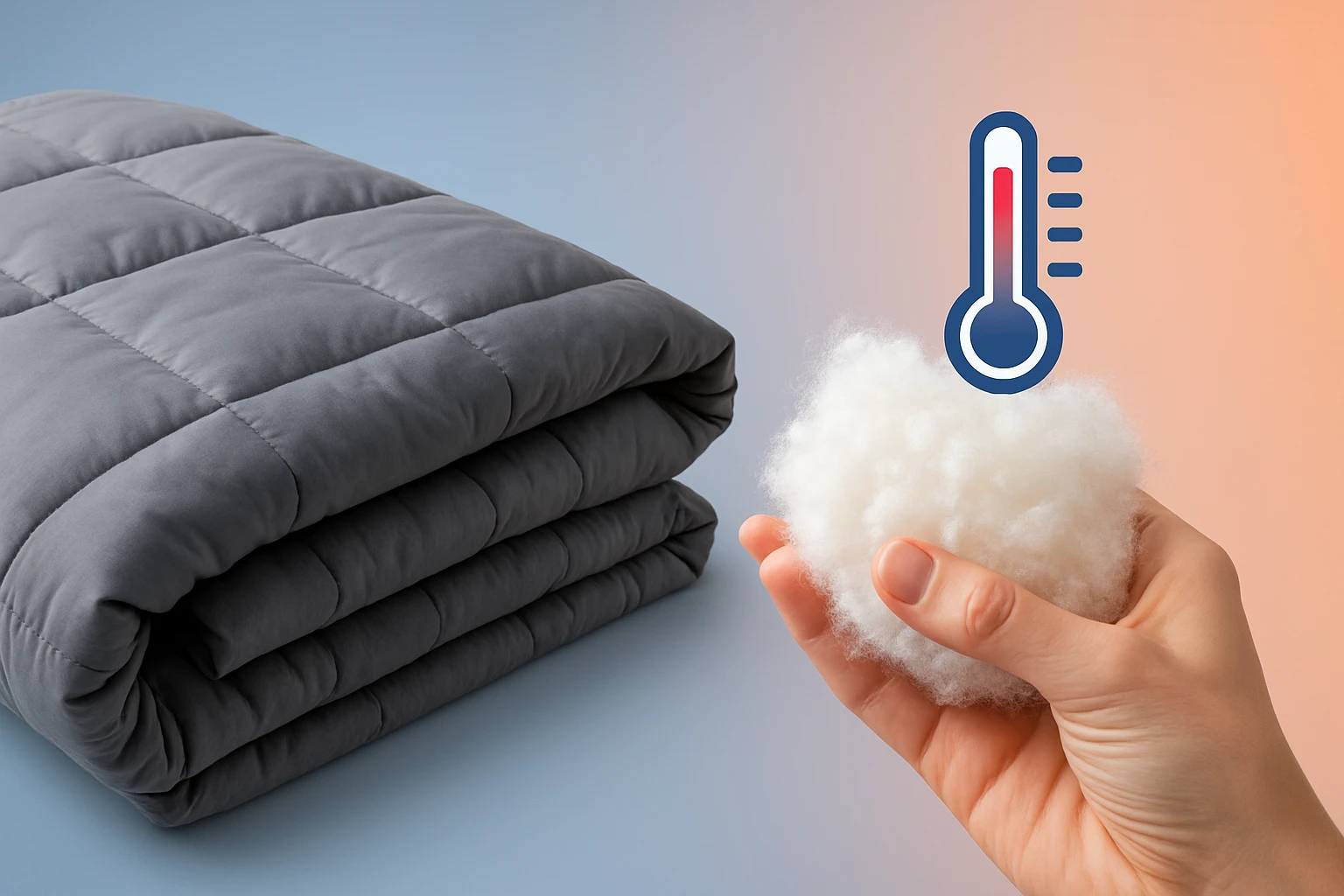
Weighted blankets are therapeutic textiles that apply gentle pressure, typically ranging from 5 to 30 pounds, to promote relaxation through deep‑pressure stimulation. Thermal regulation is a critical factor because excessive heat can disrupt sleep cycles, while insufficient warmth may reduce the blanket's calming effect. The primary determinants of temperature are the fill material, fabric construction, and breathability of the outer layer. Understanding these elements allows one to choose a blanket that maintains a balanced microclimate throughout the night.
Thermal Regulation Mechanisms in Weighted Blankets
Heat transfer in a blanket occurs through conduction, convection, and radiation. Conductive materials such as glass beads quickly transmit body heat, which can raise the perceived temperature. Conversely, porous or moisture‑wicking fabrics dissipate heat by allowing air circulation and evaporative cooling. The blanket’s stitch pattern also influences airflow; tighter stitching confines beads and reduces air pockets, while larger stitch grids create channels for ventilation. Selecting a blanket with an optimal combination of these attributes ensures that the user experiences soothing pressure without overheating.
Material Categories and Their Thermal Properties
Three material categories dominate the weighted blanket market: glass‑bead fills, plastic‑pellet fills, and natural‑fiber fills. Glass beads are dense, non‑absorbent, and provide consistent weight distribution, yet they tend to retain heat because of their solid composition. Plastic pellets are lighter and often cooler, but they may shift over time, leading to uneven pressure. Natural‑fiber fills such as cotton or bamboo offer inherent breathability and moisture management, making them suitable for hot sleepers, though they may require more bulk to achieve the same weight.
Among the products evaluated, the CuteKing Weighted Blanket utilizes premium glass beads arranged in a five‑layer design with precision stitching. This construction prevents bead leakage and promotes even weight distribution, while the breathable outer fabric mitigates excessive heat buildup. The blanket is rated 4.5 out of 5 stars by over 6,500 reviewers and is priced at $36.09, making it an affordable option for those who value consistent pressure and moderate thermal performance.
The yescool Weighted Blanket also employs glass beads but adds a cooling technology through a moisture‑wicking outer layer and a tightly stitched 5"×5" compartment grid. Reviewers (4.5/5 stars from more than 10,000) praise its ability to stay cool despite the 20‑pound weight, attributing this to the high‑density stitching that limits bead movement and the breathable fabric that encourages airflow. Priced at $37.61, it represents a slightly higher investment for enhanced temperature control.
Comparison and Selection Guide
When evaluating weighted blankets for thermal regulation, consider the following criteria:
- Fill Material: Glass beads provide stable pressure but may retain heat; natural fibers offer cooling benefits.
- Fabric Breathability: Cotton, bamboo, or performance blends improve airflow.
- Stitch Density: Tight stitching reduces bead migration and can create a more uniform thermal surface.
- Weight-to-Body Ratio: Recommended weight is 10 % of the user’s body weight; a lower weight may feel cooler.
- Care Instructions: Machine‑washable blankets simplify maintenance, but frequent washing may affect thermal performance over time.
For users who prioritize a cool sleeping environment, the yescool Weighted Blanket stands out because of its moisture‑wicking fabric and tightly sealed compartments. For individuals seeking a balance between affordability, durability, and moderate warmth, the CuteKing Weighted Blanket offers a solid choice with its five‑layer construction and high user satisfaction.
Best Practices & Tips
To maximize thermal comfort while using a weighted blanket, follow these guidelines:
- Choose a blanket that matches 10 % of one’s body weight; a lighter blanket will generate less heat.
- Layer the blanket over a breathable sheet made of cotton or linen to enhance airflow.
- Position the blanket so that the heavier side aligns with the torso, allowing the limbs to remain cooler.
- Wash the blanket according to the manufacturer’s instructions; use a gentle cycle in cold water and line‑dry to preserve the integrity of the fill.
- Store the blanket unfolded in a well‑ventilated area to prevent moisture accumulation, which can increase perceived warmth.
Frequently Asked Questions
1. Does a heavier blanket always feel hotter? Not necessarily. Heat perception depends on fill material and fabric breathability. Glass‑bead blankets can feel warm, but a breathable outer layer mitigates this effect.
2. Can I use a weighted blanket year‑round? Yes, provided the blanket incorporates cooling fabrics or you adjust bedding layers seasonally. The yescool Weighted Blanket, for example, is designed for all‑season use.
3. How often should I wash a weighted blanket? Washing frequency depends on usage and personal preference. Both featured blankets are machine‑washable on a gentle cycle; however, spot‑cleaning after each use can extend the lifespan.
4. Will the beads shift over time and affect temperature? High‑density stitching, as found in both featured blankets, minimizes bead migration, preserving even weight distribution and consistent thermal performance.
5. Are weighted blankets safe for children? Weighted blankets are not recommended for children under three years old or for pregnant individuals, as stated in the product care guidelines.
Conclusion
Thermal regulation in weighted blankets hinges on the interplay between fill material, fabric breathability, and stitch construction. By understanding these factors, one can select a blanket that delivers therapeutic pressure without compromising sleep temperature. The CuteKing Weighted Blanket offers an economical solution with reliable weight distribution, while the yescool Weighted Blanket provides advanced cooling features for hot sleepers. Applying the selection criteria and care tips outlined in this guide will enable one to enjoy restorative sleep and the full benefits of weighted‑blanket therapy.
Products Featured in This Guide
CuteKing Weighted Blanket
Price: $36.09
Rating: 4.5 out of 5 stars (6,544 reviews)
Featured because it combines a five‑layer glass‑bead design with breathable fabric, offering consistent pressure and moderate thermal performance at an attractive price point.
yescool Weighted Blanket
Price: $37.61
Rating: 4.5 out of 5 stars (10,497 reviews)
Featured because it incorporates moisture‑wicking fabric and tightly stitched compartments that keep the 20‑pound glass‑bead fill cool, making it ideal for sleepers who tend to overheat.