Introduction
This guide examines antimicrobial-treated versus untreated weighted blankets, explains why the distinction matters, and helps readers select the most suitable product. By the end of the article, one will understand the science behind antimicrobial fabrics, recognize the performance trade‑offs, and be equipped with a clear comparison of leading brands such as Wemore Sherpa Fleece Weighted Blanket, YnM, and Bare Home.
Background and Context
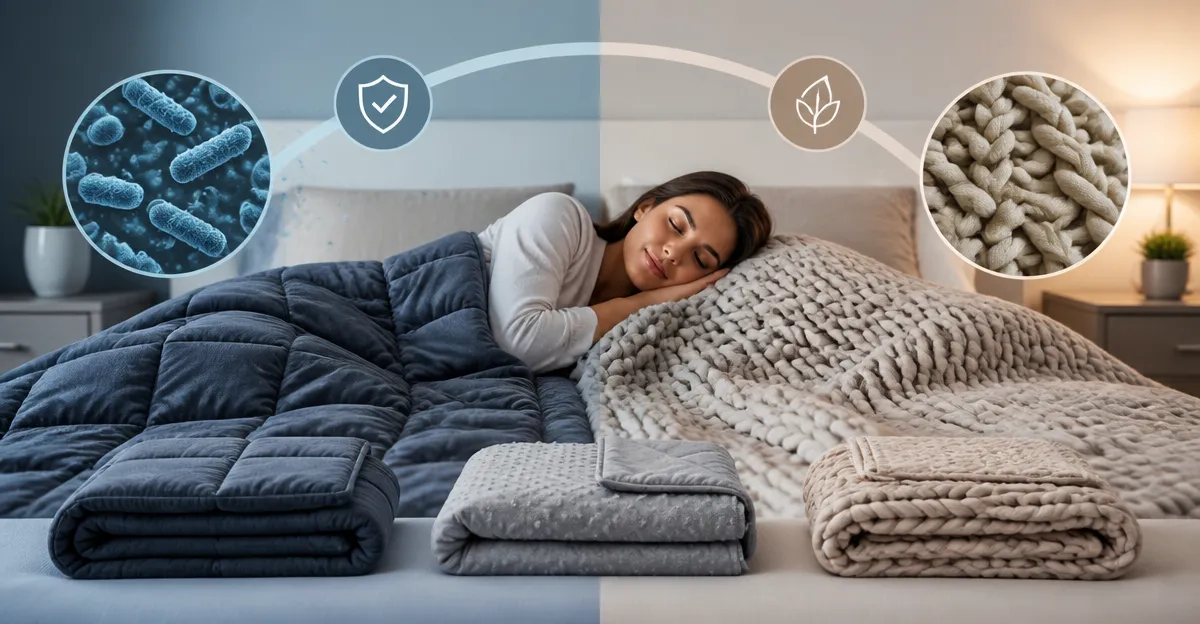
Weighted blankets originated as therapeutic tools for anxiety, insomnia, and sensory processing disorders. They employ deep‑pressure stimulation (DPS) to trigger a calming response in the nervous system. Modern consumers often seek additional health benefits, prompting manufacturers to treat fabrics with antimicrobial agents that inhibit bacterial and fungal growth. Such treatments can extend the blanket’s freshness, reduce odor, and protect vulnerable users, especially those with compromised immune systems.
Antimicrobial technologies typically involve silver‑ion infusion, copper‑based compounds, or proprietary polymer coatings. While effective, they may increase cost and occasionally affect breathability. Untreated blankets rely on natural fibers such as cotton or fleece, offering softness and breathability but requiring more diligent washing to maintain hygiene.
Key Concepts and Product Recommendations
1. Antimicrobial Fabric Benefits
- Hygiene: Inhibits bacterial proliferation, decreasing odor after repeated use.
- Allergy Reduction: Minimizes dust‑mite and mold growth, beneficial for allergy sufferers.
- Longevity: Treated fibers retain their integrity longer under frequent laundering.
When selecting a blanket, consider whether these advantages outweigh potential trade‑offs such as a higher price point.
2. Weight Distribution and Comfort
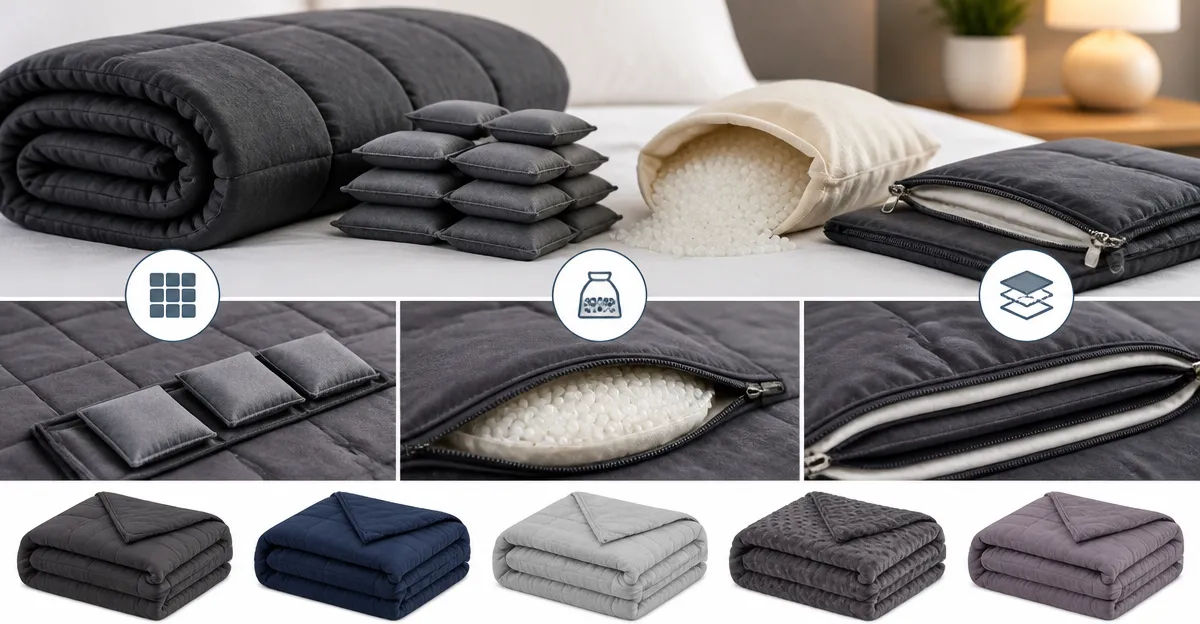
Effective weighted blankets distribute pressure evenly across the body. The 7‑layer designs of both the Wemore and YnM models employ small 2‑inch compartments that prevent bead shifting. This engineering reduces “scrunchy” sensations and ensures consistent DPS.
3. Temperature Regulation
Materials like Sherpa fleece, bamboo viscose, and cotton each have distinct thermal properties. Sherpa fleece offers high warmth for colder climates, while bamboo viscose provides a cooling touch for hot sleepers. Cotton offers a balanced feel but may feel cooler in winter.
4. Size and Weight Guidelines
Physiotherapists recommend a blanket weight of 8‑12 % of body mass. For a 150‑lb adult, a 15‑lb blanket is ideal. The Wemore Sherpa blanket (60" × 80") suits queen‑size beds, whereas YnM’s 48" × 72" model is intended for personal coverage on a twin or full bed. Bare Home’s 48" × 72" cotton blanket follows the same dimensions, making it a versatile option for smaller sleepers.
5. Product Recommendations
The following products illustrate how antimicrobial treatment, material choice, and design intersect.
- Wemore Sherpa Fleece Weighted Blanket – 15 lb, queen size, double‑sided Sherpa fleece, 7‑layer bead containment, 4.7‑star rating, $42.74.
- YnM Weighted Blanket – 15 lb, 48" × 72", 7‑layer design with cooling glass beads, 4.6‑star rating, $22.70.
- Bare Home Cotton Weighted Blanket – 15 lb, 48" × 72", all‑natural cotton, OEKO‑TX certified, 4.5‑star rating, $57.99.
- YnM Cooling Weighted Blanket – 15 lb, 48" × 72", bamboo viscose side for cooling, 4.5‑star rating, $60.55.
Comparison and Selection Guide
| Feature | Wemore Sherpa Fleece | YnM Standard | Bare Home Cotton | YnM Cooling |
|---|---|---|---|---|
| Material | Sherpa fleece (220 GSM) both sides | Polyester blend with cooling glass beads | 100 % cotton, OEKO‑TX certified | Bamboo viscose + polyester blend |
| Antimicrobial | None (treated for wrinkle resistance) | None (focus on breathability) | OEKO‑TX certification, no antimicrobial agents | Implicit bamboo antimicrobial properties |
| Weight | 15 lb (queen) | 15 lb (personal) | 15 lb (personal) | 15 lb (personal) |
| Size | 60" × 80" | 48" × 72" | 48" × 72" | 48" × 72" |
| Price | $42.74 | $22.70 | $57.99 | $60.55 |
| Rating | 4.7/5 (6,703 reviews) | 4.6/5 (24,303 reviews) | 4.5/5 (11,866 reviews) | 4.5/5 (8,523 reviews) |
| Best For | Cold climates, users who enjoy plush texture | Budget‑conscious sleepers, hot‑climate users | Allergy‑sensitive users, natural‑fiber lovers | Hot sleepers seeking cooling effect |
When choosing a blanket, match the material to the climate, assess the need for antimicrobial protection, and verify that the weight aligns with personal body mass. For example, a user in a chilly Pacific Northwest home may prioritize the warmth of the Wemore Sherpa, while a hot‑sleeper in a humid climate may benefit from the bamboo side of the YnM Cooling blanket.
Best Practices & Tips
- Gradual Adaptation: Allow 3‑5 days for the body to adjust to the added pressure.
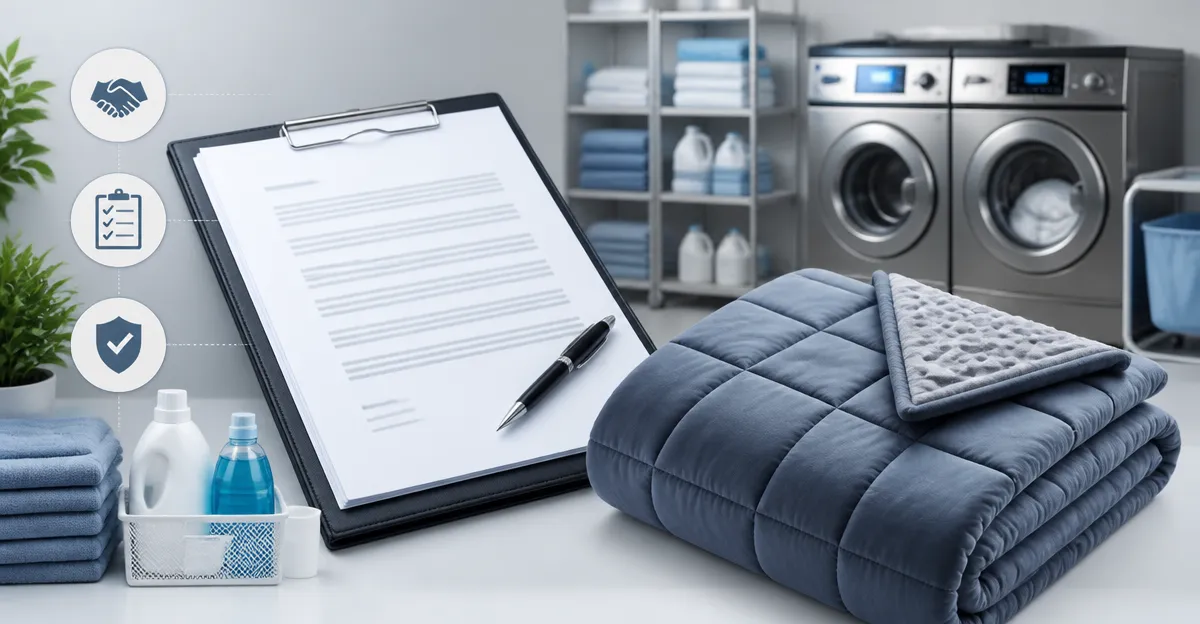
- Laundering: Follow manufacturer instructions; most weighted blankets are machine‑washable on gentle cycles, but avoid bleach and high heat.
- Bed Placement: Position the blanket so it covers only the sleeper’s torso; avoid letting it hang off the edge to maintain even pressure.
- Layering: Combine a lightweight top sheet with the weighted blanket to regulate temperature without sacrificing pressure.
- Maintenance of Antimicrobial Properties: Use mild detergents and avoid fabric softeners that can degrade antimicrobial coatings.
Frequently Asked Questions
- Do antimicrobial blankets smell different? The treatment does not impart a noticeable scent; any odor typically originates from the beads or fabric itself.
- Can I use a duvet cover with a weighted blanket? Yes. YnM provides looped corners for secure attachment, while Bare Home offers corner loops for a matching duvet cover.
- How often should I wash my weighted blanket? Most manufacturers recommend washing every 1‑2 weeks for personal hygiene, provided the blanket’s care label permits machine washing.
- Will a heavier blanket cause overheating? Proper ventilation and breathable fabrics (bamboo or cotton) mitigate heat buildup. The YnM Cooling model specifically addresses this concern.
- Are antimicrobial blankets safe for children? Yes, provided the weight is appropriate (generally 10 % of body weight) and the blanket meets safety certifications such as OEKO‑TX.
- Is a queen‑size weighted blanket too large for a single sleeper? It can be, especially if the weight is distributed over a larger area. Users often prefer personal‑size blankets for focused pressure.
- Do glass beads shift over time? High‑quality 7‑layer designs with fine stitching (0.25 mm) prevent bead migration, as noted in both YnM products.
Conclusion
Antimicrobial‑treated weighted blankets offer added hygiene and durability, while untreated options provide natural breathability and often lower cost. By evaluating climate, material preference, and budget, consumers can select a blanket that delivers therapeutic deep‑pressure stimulation without compromising comfort. The comparative table above illustrates how Wemore, YnM, and Bare Home each excel in distinct categories, enabling an informed purchase decision.
Products Featured in This Guide
Wemore Sherpa Fleece Weighted Blanket
Price: $42.74 | Rating: 4.7/5 (6,703 reviews)
Featured for its plush double‑sided Sherpa construction, 7‑layer bead containment, and strong user sentiment regarding comfort and warmth.
YnM Weighted Blanket
Price: $22.70 | Rating: 4.6/5 (24,303 reviews)
Featured for its budget‑friendly price, 7‑layer design with cooling glass beads, and robust user feedback on sleep improvement.
Bare Home Cotton Weighted Blanket
Price: $57.99 | Rating: 4.5/5 (11,866 reviews)
Featured for its all‑natural cotton fabric, OEKO‑TX certification, and positive reviews highlighting deep sleep and allergy‑friendly qualities.
YnM Cooling Weighted Blanket
Price: $60.55 | Rating: 4.5/5 (8,523 reviews)
Featured for its bamboo viscose side that provides a cooling effect, making it ideal for hot sleepers seeking antimicrobial‑like benefits.