Introduction
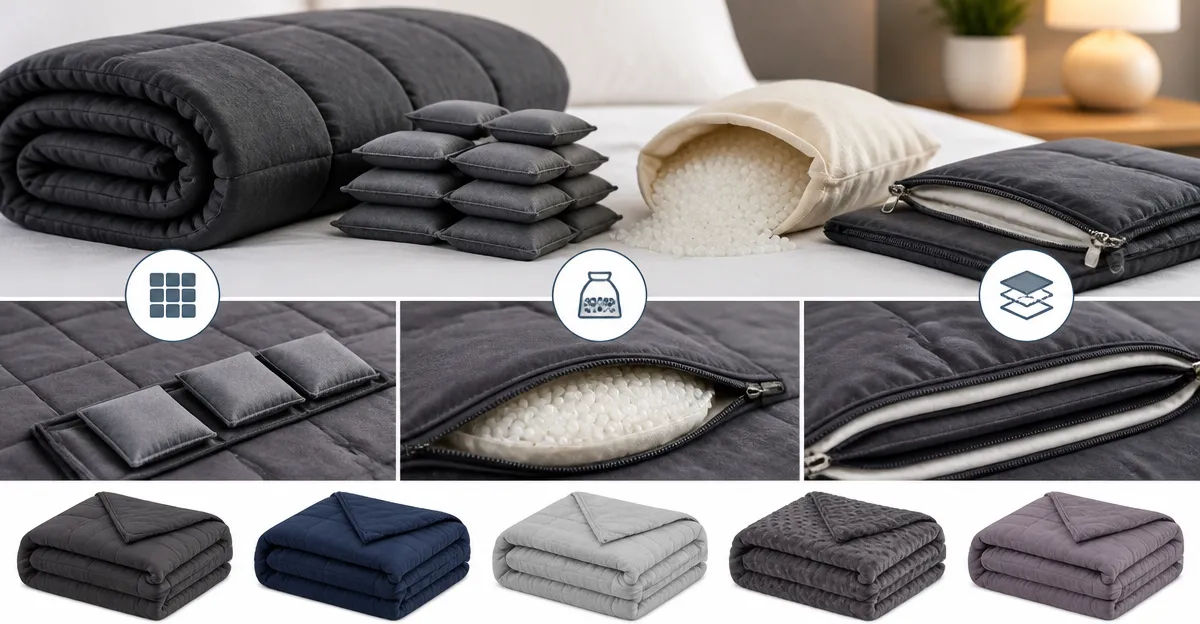
This guide explains the various adjustment systems used in weighted blankets, including modular squares, refill pouches, and zip panels. Readers will learn how each system functions, the benefits and drawbacks, and how to match a system to personal preferences. The discussion also references three notable brands that exemplify these technologies. By the end of the article one will be equipped to make an informed purchase decision.
Background/Context
Weighted blankets provide deep‑touch pressure, a sensation that can calm the nervous system and improve sleep quality. The pressure is generated by glass beads or polymer pellets distributed throughout the fabric. An adjustment system allows the user to modify the blanket's weight without buying a new product. Understanding the mechanics of modular squares, refill pouches, and zip panels is essential for selecting a system that remains durable and easy to maintain.
Modular Squares
Modular squares consist of small, pre‑filled compartments that are sewn into the blanket. Each square typically measures 2×2 inches or 5×5 inches, depending on the brand. The compartments lock the beads in place, preventing migration and ensuring even weight distribution.
- Advantages: precise weight tuning, minimal bead leakage, consistent pressure across the body.
- Disadvantages: higher manufacturing cost, limited ability to add or remove weight after purchase.
The YnM Weighted Blanket employs a seven‑layer design with 2×2‑inch compartments and a three‑dimensional lock bead stitching method that prevents bead movement. This system is praised for its even weight distribution and cooling glass beads, making it suitable for hot sleepers.
Refill Pouches
Refill pouches are detachable bags filled with beads that can be inserted into pre‑made pockets or sewn channels. Users can add or remove pouches to adjust the overall weight. This approach offers flexibility for individuals whose weight needs may change over time.
- Advantages: customizable weight, easy to replace worn pouches, often more affordable.
- Disadvantages: potential for pouch shifting, may require occasional resealing.
While none of the listed products use refill pouches as a primary feature, the concept is comparable to the removable duvet cover option offered by the Smart Queen Weighted Blanket. The duvet cover simplifies cleaning and can be swapped without disturbing the internal bead layout.
Zip Panels
Zip panels integrate zippered compartments that can be opened to add or remove beads. This hybrid system combines the security of sewn squares with the adjustability of refill pouches. The zip mechanism must be robust to avoid accidental opening during use.
- Advantages: adjustable weight, secure containment, easy maintenance.
- Disadvantages: zip wear over time, may add slight bulk to the blanket.
The Mr. Sandman Cooling Weighted Blanket features a multi‑layered structure that holds beads securely, though it does not explicitly use zip panels. Its reversible design and durable stitching illustrate how a well‑engineered interior can mimic the stability of zip‑based systems.
Comparison/Selection Guide
When choosing a weighted blanket adjustment system, consider the following criteria:
- Weight Accuracy: Modular squares provide the most precise distribution, while refill pouches allow coarse adjustments.
- Maintenance: Zip panels and removable duvet covers simplify cleaning; sewn squares may require professional laundering.
- Durability: Look for fine stitching (0.25 mm per stitch) and reinforced seams to prevent bead leakage.
- Temperature Regulation: Breathable fabrics and cooling beads are essential for hot sleepers.
Based on these factors, the YnM Weighted Blanket excels in precision and temperature control, the Smart Queen Weighted Blanket offers convenient care with a removable cover, and the Mr. Sandman Cooling Weighted Blanket provides year‑round comfort with a reversible surface.
Best Practices & Tips
To maximise the benefits of any weighted blanket, follow these guidelines:
- Calculate the appropriate blanket weight as roughly 10 % of body weight; for children use 8 %–12 %.
- Place the blanket so that it covers only the portion of the mattress you occupy, preventing excess pressure on the edges.
- Wash the blanket on a gentle cycle and tumble dry on low heat, or use a lightweight duvet cover for regular cleaning.
- Store the blanket flat or rolled, avoiding folding that could concentrate weight in one area.
- Rotate the blanket periodically to ensure even wear of the stitching and beads.
FAQ
Q1: Can I increase the weight of a modular‑square blanket after purchase?
Answer: Adding weight is difficult because the compartments are sewn shut; the recommended approach is to select a blanket with the correct weight initially.
Q2: Are refill pouches compatible with all blanket sizes?
Answer: Refill pouches must match the pocket dimensions of the specific blanket model; otherwise they may shift or create uneven pressure.
Q3: How often should I wash a weighted blanket?
Answer: Machine‑wash the blanket once every two to three weeks, or use a removable cover for more frequent cleaning.
Q4: Will a zip‑panel system affect the blanket’s softness?
Answer: High‑quality zippers are designed to sit flush with the fabric, preserving the blanket’s tactile comfort.
Q5: Is a cooling weighted blanket suitable for cold climates?
Answer: Many cooling blankets feature reversible sides, allowing the user to select a warmer surface during winter months.
Conclusion
Weighted blanket adjustment systems fall into three primary categories: modular squares, refill pouches, and zip panels. Each system offers distinct advantages in terms of weight precision, adjustability, and maintenance. By evaluating personal weight needs, climate considerations, and care preferences, one can select a blanket that delivers consistent deep‑touch pressure and lasting comfort. The products highlighted in this guide exemplify the strengths of each approach.
Products Featured in This Guide
YnM Weighted Blanket
Price: $23.89 | Rating: 4.6/5 (23,893 reviews)
Featured for its 2×2‑inch modular squares, seven‑layer design, and cooling glass beads that provide precise weight distribution.
Smart Queen Weighted Blanket
Price: $22.93 | Rating: 4.6/5 (10,879 reviews)
Featured for its breathable cotton shell, removable duvet cover, and 5×5‑inch quilted pockets that approximate a zip‑panel experience.
Mr. Sandman Cooling Weighted Blanket
Price: $39.99 | Rating: 4.6/5 (1,872 reviews)
Featured for its reversible seasonal fabric, durable multi‑layer construction, and secure bead containment that mimics zip‑panel reliability.
Kivik Weighted Blanket
Price: $34.18 | Rating: 4.6/5 (1,004 reviews)
Featured for its 7‑layer design, breathable microfiber side, and strong stitching that ensures even bead distribution without overheating.
Frequently Asked Questions
What are the main types of adjustment systems in weighted blankets?
The primary systems are modular squares, refill pouches, and zip panels, each allowing weight changes without replacing the blanket.
How do modular squares work and what are their advantages?
Modular squares are pre‑filled compartments sewn into the blanket that can be added or removed for precise weight tweaks, offering easy customization and consistent distribution.
What is a refill pouch system and when is it best to use?
Refill pouches are removable bags filled with beads or pellets; they’re ideal for users who want quick weight changes or easy cleaning.
Are zip panel systems durable and how do they adjust weight?
Zip panels use zippered sections that open for adding or removing filler, providing a sturdy yet flexible way to modify weight.
Which adjustment system is most suitable for frequent weight adjustments?
Refill pouches are generally the most convenient for frequent changes because they can be swapped quickly without altering the blanket’s structure.