Introduction
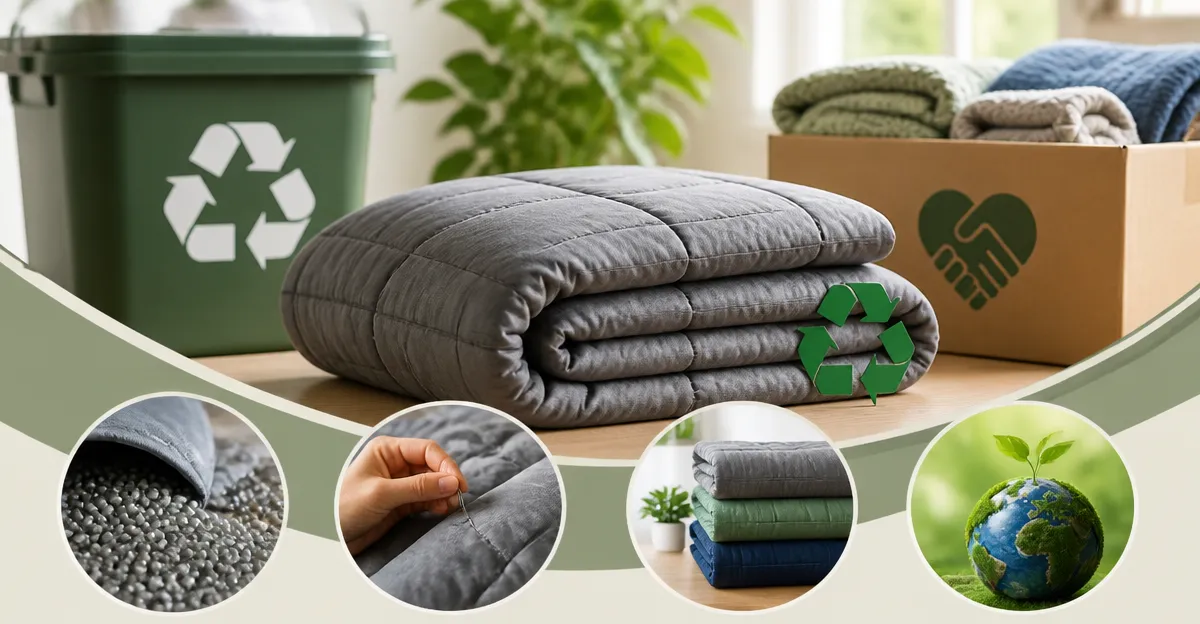
This guide explores how consumers can responsibly recycle, donate, repair, and reuse weighted blankets in 2026. Readers will learn about environmental impacts, available programs, and practical steps to extend the life of their blankets. The article also highlights three top‑rated weighted blankets that exemplify sustainable design. By the end of this guide, one will possess a clear roadmap for making eco‑friendly decisions regarding weighted blankets.
Background and Context
Weighted blankets are typically filled with glass beads or plastic pellets and encased in fabric layers. Because they contain mixed materials, disposal in a landfill contributes to waste and resource loss. Recycling programs for textiles have expanded, yet many weighted blankets remain unsupported due to their weight and construction. Understanding the composition of a blanket—fabric type, filling, stitching, and any certifications—enables consumers to select the most appropriate end‑of‑life pathway.
Key concepts include:
- Material segregation: separating fabric from glass beads for proper processing.
- Donation criteria: charities often require blankets to be clean, undamaged, and within specific weight ranges.
- Repair options: stitching, bead containment, and fabric reinforcement can restore functionality.
- Reuse strategies: repurposing blankets as pet beds, travel throws, or upholstery padding.
Recycling Programs and Strategies
Several national and local initiatives accept weighted blankets for recycling. The following categories outline the most common pathways.
1. Textile Recycling Centers
Many municipalities partner with textile recyclers that accept mixed‑material items. When delivering a blanket, staff will typically remove the glass beads and send the fabric to fiber recovery. Consumers should verify that the center handles heavy items, as some facilities impose weight limits.
2. Manufacturer Take‑Back
Some manufacturers have launched take‑back schemes to reclaim blankets for refurbishing. While the three featured products do not currently advertise official take‑back programs, their durable construction makes them suitable candidates for third‑party refurbishers.
3. Charity Donation
Non‑profit organizations such as homeless shelters, hospitals, and veteran groups accept weighted blankets that are clean and free of damage. Donors should wash the blanket according to the care instructions before delivery. The Topblan 12lb Twin Weighted Blanket is machine washable, simplifying the donation preparation process.
4. Repair and Upcycling
Professional repair services can reseal bead compartments, replace worn stitching, or add a protective duvet cover. For DIY enthusiasts, a simple needle and thread can reinforce seams. The ZonLi 20lb Queen Weighted Blanket features 5"x5" compartments and reinforced stitching, reducing the likelihood of bead leakage and making it a strong candidate for repair.
5. Personal Reuse
When a blanket no longer meets sleep‑aid needs, it can serve as a plush pet bed, a camping throw, or a sound‑absorbing panel for home studios. The Cottonblue 15lb Queen Sherpa Blanket offers a soft Sherpa side that is ideal for creating a cozy nook for a cat or dog.
Comparison and Selection Guide
Choosing a blanket that aligns with recycling and reuse goals involves evaluating several criteria.
| Feature | Topblan 12lb Twin | ZonLi 20lb Queen | Cottonblue 15lb Queen Sherpa |
|---|---|---|---|
| Weight (lb) | 12 | 20 | 15 |
| Fabric | Breathable, machine‑washable | 100% polyester, OEKO‑Tex certified | Sherpa fleece (220 GSM) & flannel |
| Bead Containment | Microglass beads, rugged stitching | 5"x5" compartments, 5+2 layer lining | 7‑layer design, sealed compartments |
| Price | $23.99 | $31.99 | $34.99 |
| Rating (reviews) | 4.7/5 (1,340) | 4.6/5 (23,318) | — |
| Washability | Machine washable | Machine washable (weight limit) | Spot clean or commercial wash |
For users prioritizing easy donation, the Topblan blanket’s low weight and full machine washability make it the most convenient. Those seeking a robust, long‑lasting product for repair are better served by the ZonLi model, which incorporates advanced stitching and compartmentalization. If the primary goal is to repurpose the blanket for comfort in non‑sleep settings, the Cottonblue Sherpa’s plush texture offers the greatest tactile appeal.
Best Practices and Tips
- Always follow the manufacturer’s washing instructions to avoid fabric degradation.
- When repairing, use polyester thread that matches the original stitching strength.
- Document the blanket’s condition with photos before sending it to a recycling center; this can expedite processing.
- Consider adding a removable duvet cover to extend the life of the blanket and simplify cleaning.
- Check local regulations for textile waste; some cities provide curbside pickup for weighted blankets.
Frequently Asked Questions
- Can I recycle the glass beads separately?
- Yes, many glass‑bead manufacturers accept used beads for melting and reuse in new products. Contact the filler supplier for drop‑off locations.
- How long does it take for a blanket to decompose in a landfill?
- Because the fabric is often synthetic and the beads are glass, decomposition can exceed several centuries, emphasizing the importance of recycling.
- Is it safe to donate a used weighted blanket to a hospital?
- Hospitals typically require new or professionally sanitized blankets. Donate only after thorough washing and inspection for damage.
- What is the recommended weight for a first‑time user?
- Experts suggest starting with a blanket that is 8 % of one’s body weight. All three featured blankets provide guidance on optimal weight ranges.
- Can I repair a leaking bead compartment myself?
- Minor seam failures can be sewn with a heavy‑duty needle and polyester thread. For extensive leakage, professional repair is advisable.
- Do any programs offer a discount for returning old blankets?
- Some retailers partner with recycling charities to provide coupon codes upon receipt of a used blanket. Check the retailer’s sustainability page for current offers.
Conclusion
This guide has outlined the environmental rationale for recycling weighted blankets, detailed the primary programs available, and provided actionable steps for donation, repair, and reuse. By selecting a blanket with durable construction—such as the Topblan, ZonLi, or Cottonblue models—consumers can reduce waste and support a circular economy. Implementing the best practices described will ensure that weighted blankets continue to deliver comfort while minimizing ecological impact.
Products Featured in This Guide
Topblan 12lb Twin Weighted Blanket
Price: $23.99 | Rating: 4.7/5 (1,340 reviews)
Featured for its machine‑washable fabric, affordable price, and reliable microglass bead distribution, making it ideal for donation and easy care.
ZonLi 20lb Queen Weighted Blanket
Price: $31.99 | Rating: 4.6/5 (23,318 reviews)
Featured for its advanced 5"x5" compartment design, reinforced stitching, and OEKO‑Tex certification, which support repair and long‑term reuse.
Cottonblue 15lb Queen Sherpa Blanket
Price: $34.99
Featured for its luxurious Sherpa and flannel surfaces, seven‑layer bead containment, and suitability for repurposing as a plush home accessory.