
Introduction
This guide explains how an adult who experiences sensory defensiveness can use a weighted blanket as a therapeutic tool. The reader will learn how to select the appropriate weight, create a calming environment, and integrate the blanket into daily routines. By following the steps, one can reduce anxiety, improve sleep quality, and increase overall sensory regulation. The information is valuable because it combines evidence‑based practices with practical product recommendations, ensuring that the solution is both effective and affordable.
What You Will Need
- A high‑quality weighted blanket appropriate for one adult (approximately 7‑12% of body weight).
- A calm, clutter‑free space where the blanket can be used.
- Optional accessories such as a breathable mattress protector and a gentle alarm clock.
The primary product recommended is the L'AGRATY Weighted Blanket. It offers breathable microfiber, hypo‑allergenic glass beads, and a size suitable for Twin, Full, or Queen beds.
Step 1: Assess Sensory Needs
Begin by observing the situations that trigger sensory defensiveness. Common triggers include loud noises, bright lights, and sudden temperature changes. Record the intensity and duration of each episode in a journal. This data will guide the selection of blanket weight and usage duration. Understanding personal thresholds ensures that the weighted blanket provides soothing pressure without overwhelming the nervous system.
Step 2: Choose the Correct Weight
The therapeutic principle behind weighted blankets is deep‑pressure stimulation, which mimics the feeling of a gentle hug. Experts recommend a blanket that weighs 7‑12% of the user’s body weight. For example, an individual weighing 150 lb should select a blanket between 10.5 lb and 18 lb. The L'AGRATY Weighted Blanket is available in a 15 lb version, making it ideal for adults in the 125‑215 lb range.
Key product details:
- Price: $27.54
- Rating: 4.5/5.0 based on 9,343 reviews
- Material: Soft breathable microfiber with 0.8‑1 mm non‑toxic hypo‑allergenic glass beads
- Dimensions: 48" × 72" (covers body without hanging over the bed edge)
The blanket’s precise positioning technology ensures even bead distribution, preventing the sensation of uneven weight that can cause discomfort.
Step 3: Prepare the Environment
Create a sensory‑friendly space before using the blanket. Dim the lights, reduce background noise, and adjust room temperature to a comfortable level. A cool environment in summer and a warm one in winter complement the blanket’s temperature‑regulating properties. Place a breathable mattress protector on the bed to protect the blanket and maintain airflow. This preparation maximizes the calming effect of deep‑pressure stimulation.
Step 4: Position the Blanket Correctly
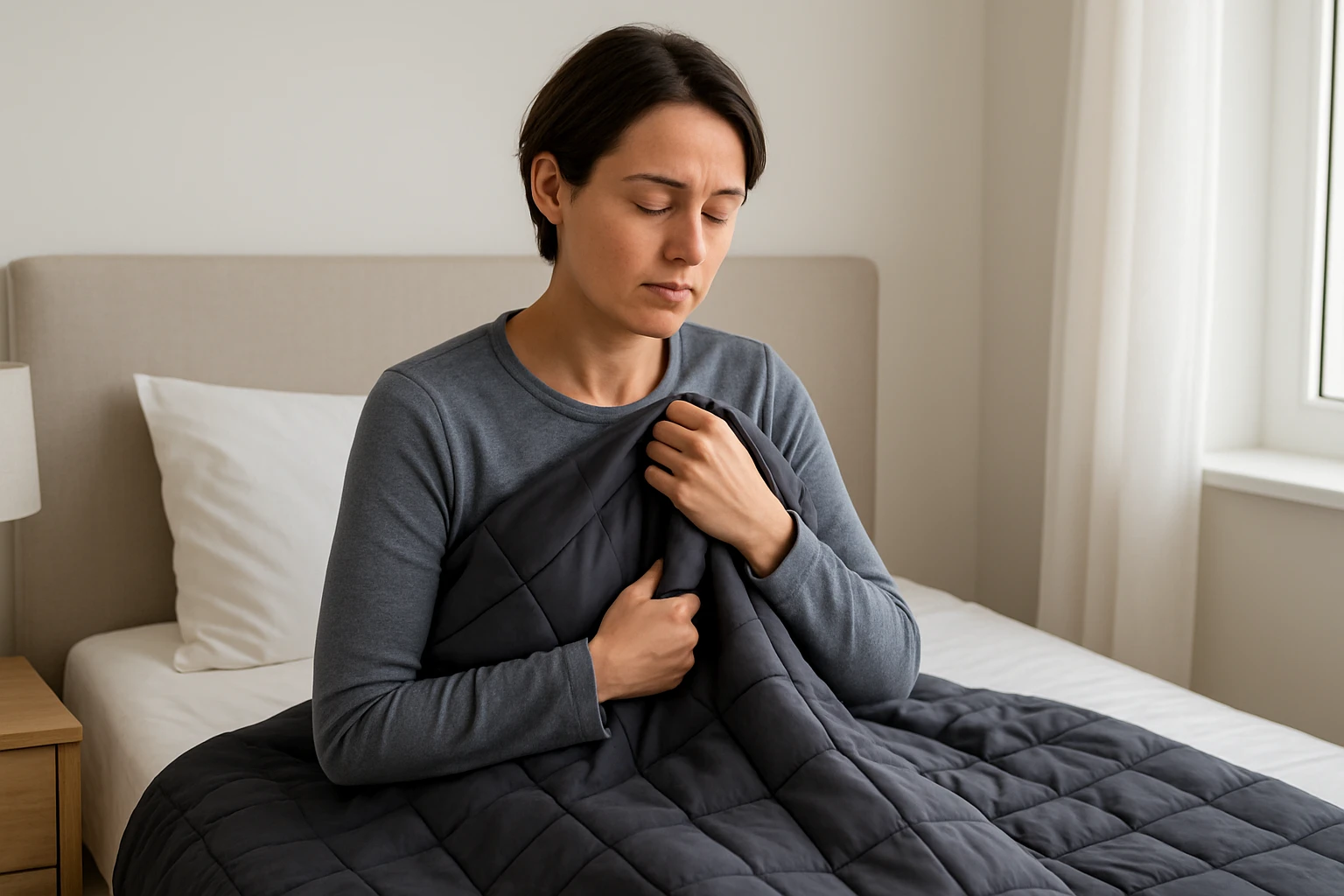
Lay the blanket on the torso so that the weighted portion covers the shoulders, chest, and abdomen. Ensure that the blanket does not extend beyond the edges of the mattress, as the design concentrates pressure on the body. If the user prefers to read or meditate while seated, drape the blanket over the lap and shoulders, keeping the weight evenly distributed. The even distribution achieved by the blanket’s high‑strength sewing threads prevents shifting during movement.
Step 5: Integrate the Blanket into Daily Routine
Use the blanket for short periods initially, such as 15‑20 minutes, to allow the nervous system to adapt. Gradually increase the duration to 30‑60 minutes based on comfort level. Incorporate the blanket into bedtime routines, meditation sessions, or while watching television. Consistency is essential; daily use reinforces the calming neural pathways associated with deep‑pressure input.
Step 6: Monitor Progress and Adjust
After each session, note any changes in anxiety levels, sleep quality, or sensory tolerance in the journal. If the blanket feels too heavy, reduce usage time or consider a lighter weight model. Conversely, if the pressure feels insufficient, a higher weight within the recommended range may be appropriate. Ongoing assessment ensures that the tool remains effective and safe.
Tips & Pro Tips
- Allow the blanket to acclimate to room temperature for at least 10 minutes before use; this enhances the cooling or warming sensation.
- Combine the blanket with controlled breathing exercises to amplify relaxation.
- Do not share a single blanket between two adults; individualized weight distribution is critical for therapeutic efficacy.
- Hand wash the blanket and hang dry to preserve the integrity of the glass beads and microfiber surface.
Troubleshooting
- Feeling Too Hot: Use a fan or lower the room temperature; the breathable microfiber is designed to dissipate excess heat.
- Uneven Pressure: Re‑position the blanket and ensure the beads are evenly distributed; the sewn compartments prevent bead migration.
- Difficulty Falling Asleep: Reduce the blanket weight by 1‑2 lb or limit usage to a pre‑sleep relaxation period rather than the entire night.
Conclusion
By assessing sensory triggers, selecting the appropriate weight, preparing a calming environment, and integrating the blanket into daily habits, an adult can effectively manage sensory defensiveness. The L'AGRATY Weighted Blanket provides an affordable, high‑quality solution that meets these requirements. Consistent use, combined with monitoring and adjustments, will lead to reduced anxiety, improved sleep, and greater overall sensory regulation.
Products Mentioned in This Guide
Frequently Asked Questions
What weight should an adult choose for a weighted blanket to address sensory defensiveness?
Select a blanket that is about 7‑12% of the adult's body weight for optimal deep‑pressure stimulation.
How does a weighted blanket help reduce anxiety and improve sleep in sensory‑defensive adults?
The gentle, even pressure stimulates the parasympathetic nervous system, promoting relaxation and better sleep quality.
What features should I look for in a weighted blanket for sensory sensitivities?
Choose a breathable, hypo‑allergenic material, such as microfiber with glass beads, and ensure the size fits the intended bed.
Can I use a weighted blanket in any room, or does the environment matter?
Use it in a calm, clutter‑free space; a tidy environment enhances the blanket’s calming effect.
Are there any accessories that improve the experience of using a weighted blanket?
A breathable mattress protector and a gentle alarm clock can keep the sleeping area comfortable and help maintain a consistent routine.