Introduction
This guide explains how employers can create ADA‑compliant workplace accommodations by incorporating weighted lap pads. Readers will understand the legal framework, the sensory benefits of weighted products, and how to select and implement the most appropriate options for diverse employee needs.
The article combines regulatory insight with practical recommendations, ensuring that organizations can support employees with sensory processing challenges while maintaining productivity and safety. By the end of the guide, employers will have a clear action plan and a curated list of vetted products.
Background and Context
The Americans with Disabilities Act (ADA) requires employers to provide reasonable accommodations that enable qualified individuals to perform essential job functions. Sensory accommodations, such as weighted lap pads, address the needs of employees with autism spectrum disorder, attention‑deficit/hyperactivity disorder, anxiety, or other conditions that benefit from deep‑pressure stimulation.
Deep‑pressure input can reduce physiological arousal, improve focus, and promote calmness. Research indicates that weighted items provide proprioceptive feedback that helps the nervous system regulate sensory overload. In a workplace setting, these benefits translate into reduced distractions, higher task completion rates, and enhanced overall well‑being.
Employers must document the accommodation request, assess its effectiveness, and ensure that the solution does not create an undue hardship. Weighted lap pads are portable, discreet, and easily integrated into a variety of work environments, making them a practical choice for many organizations.
Understanding ADA Requirements for Sensory Accommodations
Under Title I of the ADA, an employer must engage in an interactive process with the employee to determine a suitable accommodation. The process includes identifying the functional limitation, evaluating potential solutions, and documenting the outcome.
Key considerations include:
- Whether the accommodation directly addresses the identified limitation.
- Whether the accommodation imposes a direct threat to safety.
- Whether the accommodation would cause undue financial or administrative burden.
Weighted lap pads typically satisfy these criteria because they are low‑cost, require minimal maintenance, and do not interfere with essential job duties. However, employers should verify that the selected product meets safety standards, such as certification by the U.S. Consumer Product Safety Commission (CPSC).
How Weighted Lap Pads Support Sensory Regulation
Weighted lap pads apply gentle, evenly distributed pressure across the lap area. This pressure stimulates the parasympathetic nervous system, which can lower heart rate and cortisol levels. The result is a calming effect that supports concentration and reduces anxiety.
In addition to pressure, many lap pads incorporate tactile features such as sequins, fidget pockets, or reversible fabrics. These elements provide additional sensory input without distracting coworkers, allowing the employee to self‑regulate discreetly.
Employers should consider the following factors when evaluating a weighted lap pad for workplace use:
- Weight appropriate for the user (generally 5‑10% of body weight).
- Size that fits comfortably on a chair or lap without obstructing work surfaces.
- Material safety, including non‑toxic fillings and CPSC certification.
- Ease of cleaning, especially in shared environments.
Product Recommendations for Workplace Use
The following products have been selected based on their compliance with safety standards, user reviews, and functional features that align with workplace accommodation goals.
Hugsmiling Weighted Lap Pad
For employees who benefit from visual and tactile stimulation, the Hugsmiling Weighted Lap Pad offers a 5‑lb weight, flippable sequins, and CPSC certification. The sequins act as a quiet fidget tool, allowing the user to draw patterns without disrupting colleagues. The pad’s reinforced double‑stitching prevents bead leakage, ensuring durability for daily use.
Key specifications:
- Weight: 5 lbs
- Dimensions: Compact lap size suitable for chairs and travel
- Material: Non‑toxic micro‑glass beads, double‑stitched fabric
- Rating: 4.8/5 from 109 reviews
- Price: $24.95
Positive customer feedback highlights its calming effect for children with autism, but the same deep‑pressure benefits apply to adults who require sensory regulation during meetings or focused tasks.
Topblan Mini Weighted Lap Blanket
The Topblan Mini Weighted Lap Blanket provides a lighter 2‑lb option, making it suitable for employees who prefer a subtler pressure. Its SoftBalance7X technology ensures breathability, which is valuable in office environments with variable temperature control.
Key specifications:
- Weight: 2 lbs
- Size: 19" × 21"
- Fabric: Skin‑friendly, breathable
- Rating: 4.7/5 from 1,206 reviews
- Price: $19.99
Users appreciate the even weight distribution and easy care instructions—machine washable on a gentle cycle, which reduces maintenance overhead for facilities teams.
Kivik Minky Weighted Lap Pad
For employees who desire a reversible texture, the Kivik Minky Weighted Lap Pad combines a soft minky side with a breathable microfiber side. This dual‑surface design allows the user to select a warm or cool feel depending on seasonal office temperatures.
Key specifications:
- Weight: 2 lbs
- Dimensions: 20" × 30"
- Material: OEKO‑TEX certified fabrics, glass beads
- Rating: 4.7/5 from 830 reviews
- Price: $19.99
Customer reviews emphasize its durability and the calming “hug” sensation without causing overheating, making it appropriate for open‑plan offices.
Fun and Function Denim Pocket Lap Pad
The Fun and Function Denim Pocket Lap Pad integrates built‑in fidget pockets and elastic coils, offering both weighted pressure (6 lbs) and tactile engagement. Its denim exterior is discreet, suitable for professional settings where a neutral appearance is preferred.
Key specifications:
- Weight: 6 lbs
- Size: 21" × 9"
- Features: Central pocket with elastic coils, side pockets with hook‑and‑loop closures
- Rating: 5/5 from 4 reviews
- Price: $81.99
This model is ideal for employees who need a higher pressure level and enjoy active fidgeting while working at a desk.
Comparison and Selection Guide
The table below assists employers in matching product attributes to employee needs and workplace constraints.
| Product | Weight | Key Sensory Feature | Portability | Maintenance | Price |
|---|---|---|---|---|---|
| Hugsmiling Weighted Lap Pad | 5 lbs | Flippable sequins for quiet fidgeting | Highly portable, travel‑friendly | Spot clean; double‑stitched prevents leaks | $24.95 |
| Topblan Mini Weighted Lap Blanket | 2 lbs | SoftBalance7X breathable fabric | Compact, fits in a desk drawer | Machine washable (cold, gentle) | $19.99 |
| Kivik Minky Weighted Lap Pad | 2 lbs | Reversible minky/microfiber surface | Foldable, easy to store | Machine washable, dryer safe | $19.99 |
| Fun and Function Denim Pocket Lap Pad | 6 lbs | Integrated fidget coils and pockets | Moderate size; best for desk use | Spot clean; fabric not machine washable | $81.99 |
When selecting a product, consider the employee’s preferred pressure level, the need for additional tactile input, and the logistical capabilities of the office (e.g., laundry facilities, storage space).
Best Practices & Tips for Implementation
- Conduct a formal accommodation request and document the employee’s specific sensory needs.
- Offer a trial period of 2‑4 weeks to evaluate effectiveness and gather feedback.
- Ensure the weighted lap pad is placed on a stable surface; avoid using it on rolling chairs without a non‑slip mat.
- Educate coworkers about the purpose of the device to foster an inclusive environment and reduce stigma.
- Maintain a cleaning schedule; for washable products, follow manufacturer instructions to preserve bead integrity.
- Review the accommodation annually to confirm continued relevance and adjust weight or product type as needed.
Frequently Asked Questions
- What weight is appropriate for an adult employee?
- Guidelines suggest 5‑10% of the individual’s body weight. For a 150‑lb employee, a 7‑15‑lb pad is typical; however, many offices start with a 5‑lb option and adjust based on comfort.
- Can weighted lap pads be used while the employee is seated at a computer?
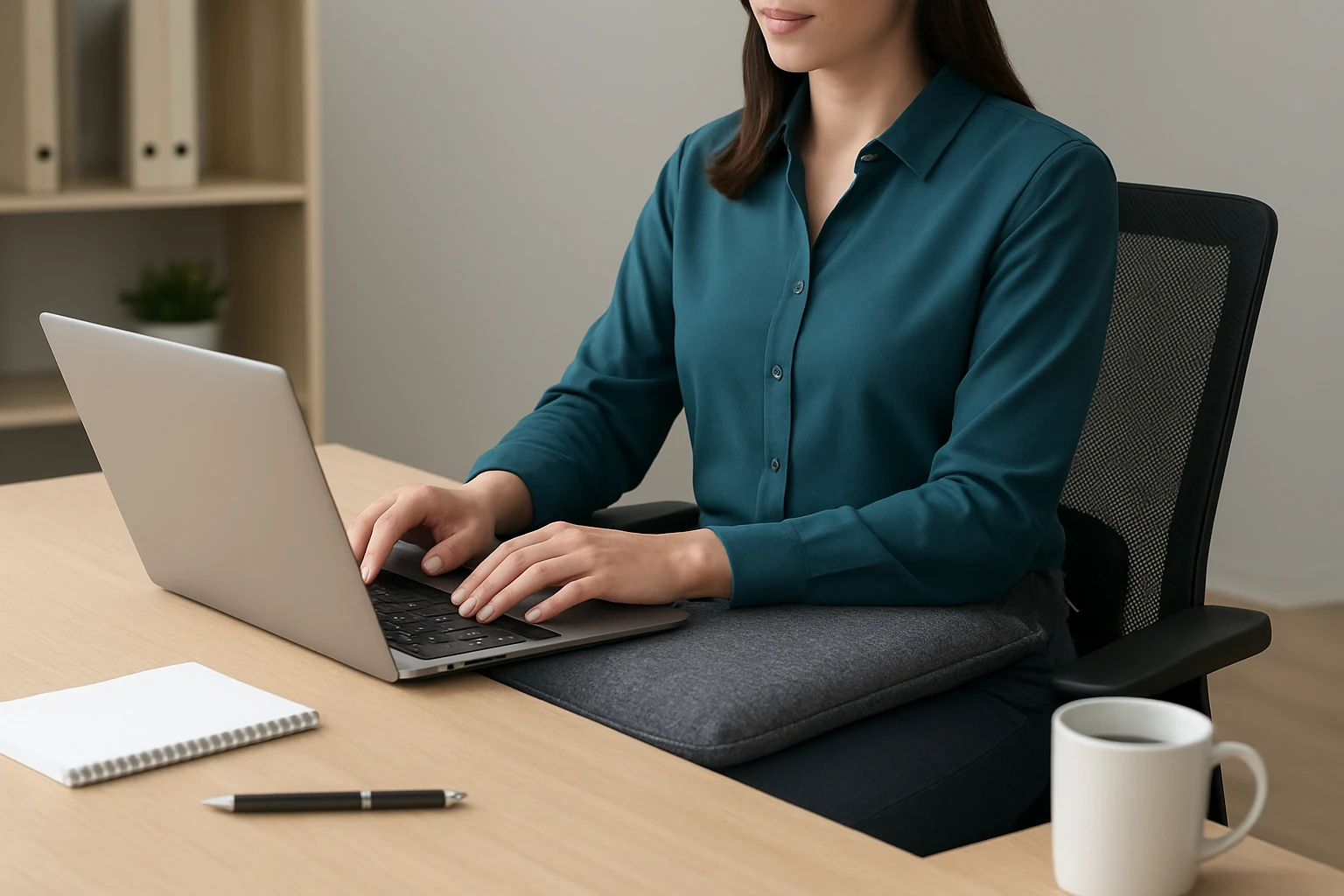
- Yes, provided the pad does not interfere with keyboard or mouse operation. A compact pad placed on the lap or attached to the chair’s armrest works well.
- Are there any safety concerns?
- Only use CPSC‑certified products, avoid excessive weight, and never allow the pad to cover the face or restrict breathing. Employees with certain medical conditions should consult a healthcare professional before use.
- How often should the pad be cleaned?
- Follow the manufacturer’s care instructions. Washable models can be laundered monthly; non‑washable fabrics should be spot‑cleaned and aired regularly.
- Do I need to provide the pad at no cost to the employee?
- Under the ADA, reasonable accommodations must be provided at the employer’s expense unless doing so creates an undue hardship. Weighted lap pads are generally low‑cost, making them a reasonable expense.
Conclusion
Integrating weighted lap pads into workplace accommodations enables employers to meet ADA obligations while enhancing employee well‑being. By understanding regulatory requirements, selecting appropriate products, and following best‑practice implementation steps, organizations can create an inclusive environment that supports focus, reduces anxiety, and promotes productivity.
Employers are encouraged to engage in the interactive process, trial the recommended products, and maintain ongoing communication with employees to ensure the accommodation remains effective over time.
Products Featured in This Guide
Hugsmiling Weighted Lap Pad
Price: $24.95 | Rating: 4.8/5 (109 reviews)
Featured for its CPSC certification, 5‑lb deep‑pressure weight, and flippable sequins that provide discreet tactile stimulation suitable for office environments.
Topblan Mini Weighted Lap Blanket
Price: $19.99 | Rating: 4.7/5 (1,206 reviews)
Featured for its breathable SoftBalance7X fabric, lightweight 2‑lb pressure, and machine‑washable design that simplifies workplace maintenance.
Kivik Minky Weighted Lap Pad
Price: $19.99 | Rating: 4.7/5 (830 reviews)
Featured for its reversible minky/microfiber surfaces, OEKO‑TEX certified fabrics, and 2‑lb weight that offers a subtle yet effective calming effect.
Fun and Function Denim Pocket Lap Pad
Price: $81.99 | Rating: 5/5 (4 reviews)
Featured for its 6‑lb weight, built‑in fidget coils, and discreet denim exterior, making it ideal for employees who require higher pressure and active tactile engagement.