Weighted Lap Pads for Wheelchair Users: A Complete Guide to Preventing Pressure Sores
Introduction
Pressure sores represent a significant health risk for individuals who spend extended periods seated in a wheelchair. This guide explains how weighted lap pads can alleviate pressure, improve circulation, and support therapeutic outcomes. Readers will learn the physiological basis of pressure injury, criteria for selecting an appropriate lap pad, and practical strategies for daily use. By the end of the article, one will be equipped to make an informed purchase decision and implement best‑practice care routines.
Background and Context
When a person remains seated for many hours, the body’s weight is concentrated on bony prominences such as the ischial tuberosities and sacrum. The resulting micro‑vascular occlusion reduces tissue oxygenation, leading to cell death and ulcer formation. Weighted lap pads apply gentle, evenly distributed pressure that mimics a therapeutic hug, stimulating proprioceptive feedback and encouraging subtle postural adjustments.
Research indicates that a pressure of approximately 10% of the user’s body weight is sufficient to trigger the calming response without compromising circulation. For a child weighing 30 lb, a 2‑lb lap pad is ideal; for an adult weighing 180 lb, a pad in the range of 15‑20 lb is recommended. The material composition, breathability, and cleaning method also influence the pad’s effectiveness and longevity.
Understanding Weighted Lap Pads
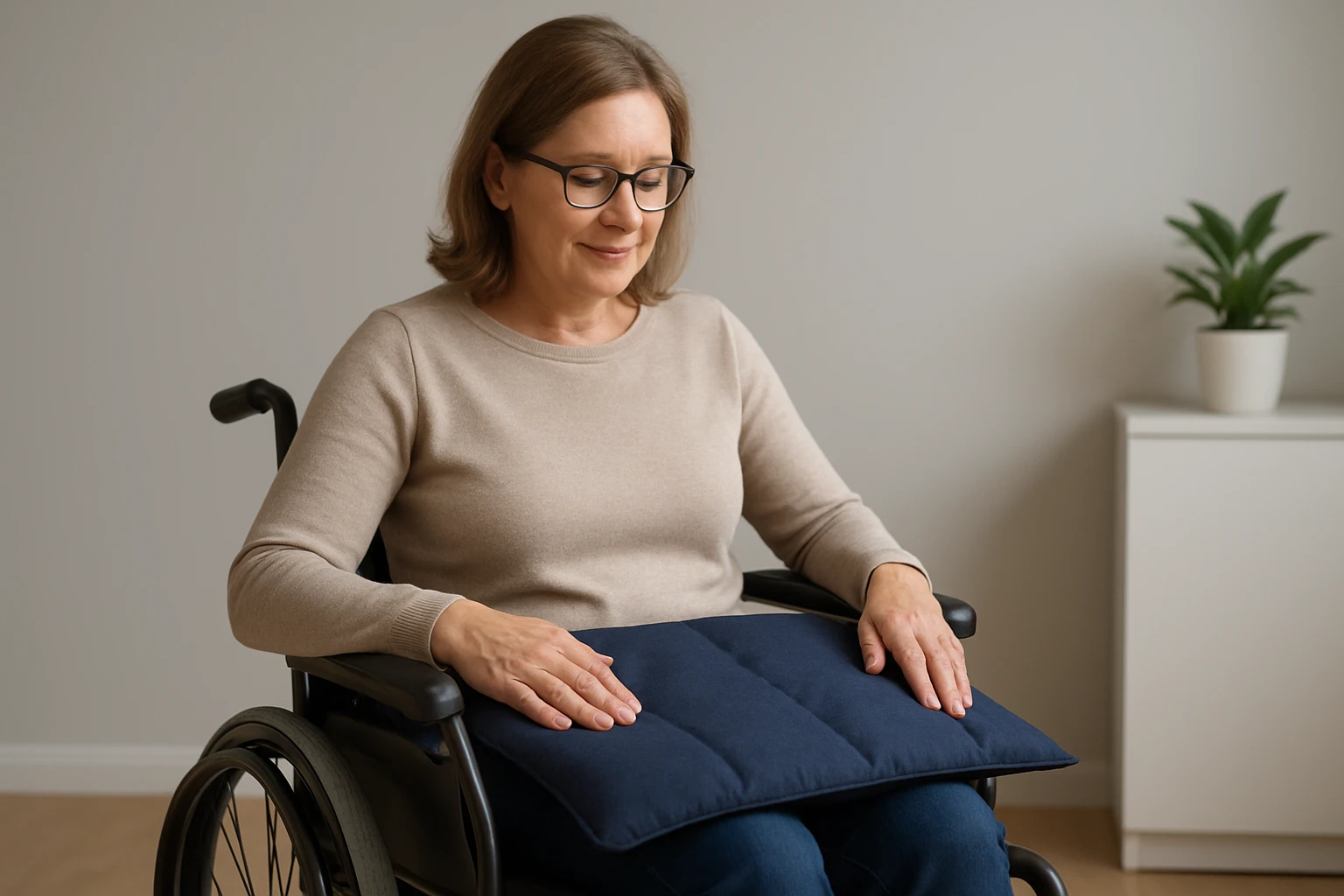
Weighted lap pads fall into two broad categories: therapeutic blankets designed primarily for calming and focus, and wheelchair‑specific cushions engineered for pressure redistribution. The former often feature soft, breathable fabrics and are suitable for children or individuals who require a light therapeutic touch. The latter incorporate high‑density fillers, reinforced stitching, and cut‑out designs that accommodate wheelchair armrests and leg supports.
Key attributes to evaluate include:
- Weight relative to user body mass (generally 5‑12% of total weight).
- Filler type – glass beads provide consistent pressure, while polyfoam offers softer cushioning.
- Fabric certification – OEKO‑TX standards assure the absence of harmful chemicals.
- Maintenance – machine‑washable designs simplify hygiene for long‑term use.
Product Recommendations
Below are three products that exemplify the principles described above. Each recommendation aligns with a specific user scenario and includes concrete specifications drawn from the Amazon listings.
1. Kivik Weighted Lap Blanket (2 lb)
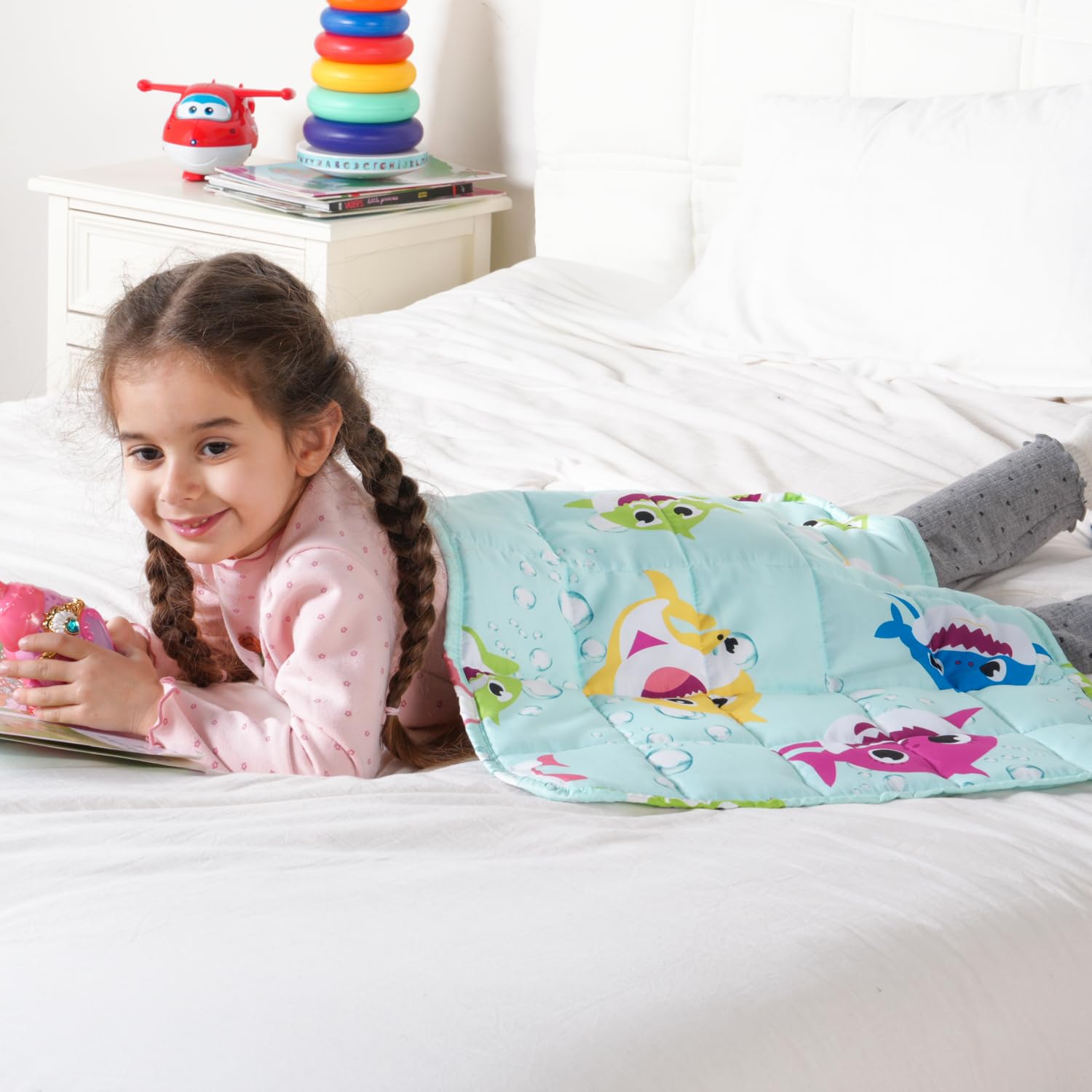
The Kivik Weighted Lap Blanket is a child‑friendly option measuring 20" × 30" and weighing 2 lb. Its cartoon pattern makes it appealing for young users, while the evenly distributed glass beads create a gentle hug‑like pressure. The blanket is constructed from breathable, OEKO‑TX certified fabric and features a seven‑layer design with reinforced stitching for durability. At a price of $19.99 and a rating of 4.8 / 5 from 1,289 reviews, it offers strong value for families seeking an easy‑care therapeutic aid.
2. Skil‑Care 2.5 Inch Wheelchair Cushion Tray
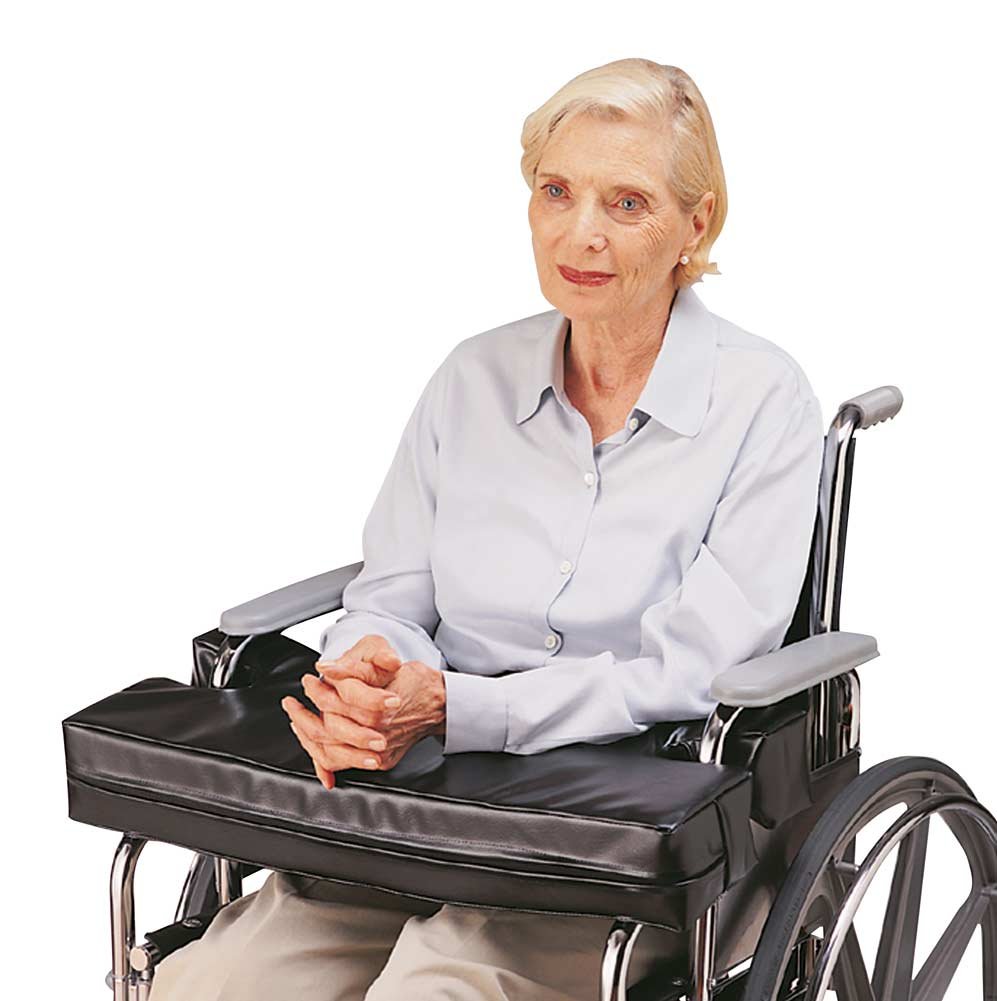
The Skil‑Care 2.5 Inch Wheelchair Cushion Tray provides a thin yet supportive layer that fits wheelchairs 16‑18 inches wide. Filled with high‑density polyfoam, the cushion delivers consistent pressure while the wipe‑clean nylon cover simplifies maintenance. It is designed to enhance positioning, promote proper posture, and reduce shear forces that contribute to pressure sores. Priced at $47.99 with a 4 / 5 rating from 54 reviews, it is a practical solution for adult users who require a low‑profile pad.
3. Skil‑Care 4 Inch Wheelchair Cushion Tray
The Skil‑Care 4 Inch Wheelchair Cushion Tray offers a thicker alternative for users who need deeper pressure redistribution. Like its 2.5‑inch sibling, it fits 16‑18 inch wheelchairs and incorporates polyfoam padding with a durable nylon cover. The additional thickness provides greater cushioning for individuals with higher body weight or heightened sensitivity. It shares the same price point of $47.99 and a 4 / 5 rating, making it an attractive option for those seeking enhanced comfort without compromising stability.
Comparison and Selection Guide
Choosing the right weighted lap pad requires balancing user weight, wheelchair dimensions, and care preferences. The table below summarizes the critical differences among the three featured products.
| Feature | Kivik Weighted Lap Blanket | Skil‑Care 2.5 Inch Cushion | Skil‑Care 4 Inch Cushion |
|---|---|---|---|
| Intended User | Children (≤30 lb) | Adults (50‑150 lb) | Adults (70‑200 lb) |
| Weight | 2 lb | 2.5 in thickness, weight varies | 4 in thickness, weight varies |
| Dimensions | 20" × 30" | Fits 16‑18" wheelchair width | Fits 16‑18" wheelchair width |
| Filler | Glass beads (0.8‑1.2 mm) | Polyfoam | Polyfoam |
| Fabric Certification | OEKO‑TX | Durable nylon (wipe‑clean) | Durable nylon (wipe‑clean) |
| Care | Machine washable | Spot‑clean or machine wash cover | Spot‑clean or machine wash cover |
| Price | $19.99 | $47.99 | $47.99 |
| Rating | 4.8 / 5 (1,289 reviews) | 4 / 5 (54 reviews) | 4 / 5 (54 reviews) |
When the primary goal is therapeutic calming for a child, the Kivik blanket is the most appropriate choice. For adult wheelchair users who need a low‑profile pad that does not interfere with armrests, the 2.5‑inch Skil‑Care cushion offers sufficient support. If deeper pressure redistribution is required, the 4‑inch version provides added thickness while maintaining a secure fit.
Best Practices and Tips
- Assess the user’s body weight and select a pad that approximates ten percent of that weight.
- Verify that the cushion dimensions match the wheelchair seat width to avoid edge pressure.
- Rotate the pad daily to prevent localized wear and to maintain even pressure distribution.
- Combine the weighted pad with a breathable wheelchair cover to enhance airflow and reduce moisture buildup.
- Inspect the pad weekly for signs of wear, fabric tears, or filler displacement; replace if integrity is compromised.
- Educate caregivers on proper cleaning protocols: machine‑wash the Kivik blanket on a gentle cycle, and spot‑clean the Skil‑Care cushions or remove the cover for machine washing according to the manufacturer’s instructions.
Implementing these practices reduces the likelihood of pressure sores and extends the functional lifespan of the product. Additionally, integrating regular skin checks—at least once per shift for institutional settings—creates a proactive safety net.
Frequently Asked Questions
1. How does a weighted lap pad differ from a regular wheelchair cushion?
A weighted lap pad incorporates additional mass, typically through glass beads or dense foam, to provide gentle, therapeutic pressure. Regular cushions focus primarily on shape and material softness without the added weight component.
2. Can a child use an adult‑sized wheelchair cushion?
It is not advisable because the weight may exceed the recommended ten‑percent guideline, potentially causing discomfort or reduced circulation.
3. How often should the pad be cleaned?
For the Kivik Weighted Lap Blanket, machine washing after each week of use maintains hygiene. For Skil‑Care cushions, the removable nylon cover should be washed weekly, while the foam core can be spot‑cleaned as needed.
4. Will a weighted pad prevent all pressure sores?
No single intervention can guarantee complete prevention. Weighted pads are most effective when combined with regular repositioning, skin assessments, and appropriate wheelchair ergonomics.
5. Are there any contraindications?
Individuals with severe respiratory conditions, uncontrolled hypertension, or compromised circulation should consult a medical professional before using a weighted pad, as additional pressure may exacerbate certain health issues.
6. What is the expected lifespan of these products?
With proper care, the Kivik blanket typically lasts three to five years, while the Skil‑Care cushions can remain functional for five years or longer, depending on usage intensity.
Conclusion
Weighted lap pads represent a valuable tool in the prevention of pressure sores for wheelchair users. By understanding the physiological mechanisms, selecting a product that matches the user’s weight and wheelchair dimensions, and adhering to best‑practice maintenance, one can significantly reduce the risk of tissue damage. The recommended products—Kivik Weighted Lap Blanket, Skil‑Care 2.5 Inch Cushion, and Skil‑Care 4 Inch Cushion—each address distinct needs while providing high‑quality, affordable solutions.
Products Featured in This Guide
Kivik Weighted Lap Blanket
Price: $19.99
Rating: 4.8/5 (1,289 reviews)
Featured for its child‑friendly weight, breathable OEKO‑TX fabric, and easy‑care machine‑washable design, making it ideal for therapeutic use.
Skil‑Care 2.5 Inch Wheelchair Cushion
Price: $47.99
Rating: 4/5 (54 reviews)
Featured for its thin profile, polyfoam padding, and secure fit for 16‑18" wheelchairs, providing effective pressure redistribution for adult users.
Skil‑Care 4 Inch Wheelchair Cushion
Price: $47.99
Rating: 4/5 (54 reviews)
Featured for its increased thickness, offering deeper pressure relief for heavier users while maintaining the same secure fit and durability.