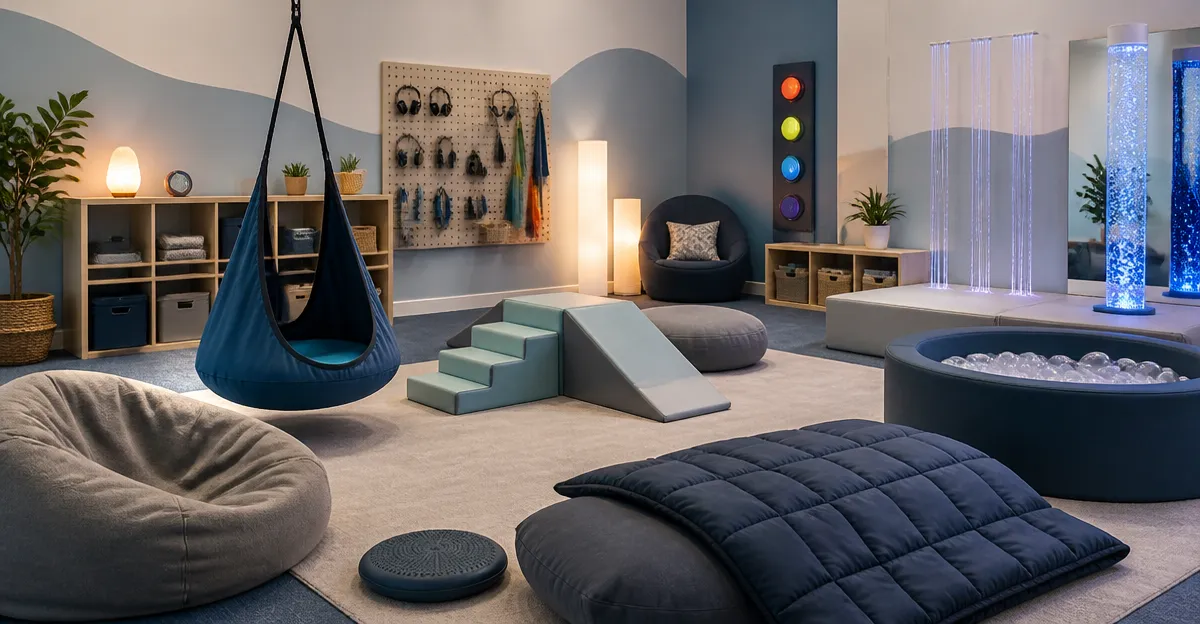
Sensory Room Layout Guide: Safety, Tools & Engagement
Introduction
Creating a community sensory room requires careful planning, knowledge of therapeutic principles, and thoughtful product selection. This guide explains how to design a space that promotes calm, encourages sensory exploration, and adheres to safety standards. Readers will learn layout strategies, how to integrate weighted accessories, and practical tips for sustaining engagement over time.
The guide also highlights five highly rated Amazon products that complement each design decision. By the end of the article, one will have a clear roadmap for building a sensory environment that serves children, adolescents, and adults with diverse sensory needs.
Background / Context
Sensory rooms are dedicated areas where individuals can self‑regulate through visual, auditory, tactile, and proprioceptive input. Research indicates that controlled sensory exposure can reduce anxiety, improve focus, and support emotional regulation for people on the autism spectrum, with ADHD, or experiencing sensory processing challenges.
Key concepts include:
- Proprioceptive input: deep pressure and weighted tools that signal the brain about body position.
- Visual calming: low‑intensity lighting, moving patterns, and color transitions that soothe the visual system.
- Safety hierarchy: secure mounting, non‑toxic materials, and clear pathways to prevent accidents.
Understanding these foundations enables designers to select accessories that reinforce therapeutic goals rather than distract from them.
1. Layout Planning and Zoning
A successful sensory room is divided into functional zones. Each zone should address a specific sensory need while allowing smooth movement between areas.
- Welcome Zone: A calm entry with soft flooring, a low‑profile bench, and a visual cue such as the Ocean Light Projector. This projector offers 15 color patterns and water‑ripple effects that signal a transition from the noisy hallway to a tranquil environment.
- Movement Zone: Open space for gross‑motor activities. Incorporate Liquid Sensory Floor Tiles, which create a dynamic “lava” effect when stepped on, encouraging balance and coordination.
- Compression Zone: A quiet corner with weighted seating. The Sensory Squeeze Seat provides full‑body hug compression, helping users regain focus after movement.
- Visual Focus Zone: A tabletop area featuring the Bubble Tube Lamp. Its aquarium‑like bubbles and color transitions serve as a low‑stimulus focal point for meditation or quiet reading.
- Exploration Wall: A wall-mounted array of mirrors such as the Sensory Bubble Mirrors. These convex mirrors stimulate visual discovery and self‑recognition.
Each zone should be separated by soft dividers or rugs to delineate space without creating visual clutter.
2. Weighted Accessories and Their Therapeutic Role
Weighted tools provide proprioceptive feedback that can calm the nervous system. When selecting weighted accessories, consider the following criteria:
- Weight proportion: 5–10% of the user’s body weight is a common guideline for blankets, vests, or seats.
- Material safety: Non‑toxic, washable fabrics are essential for hygiene.
- Portability: Lightweight frames enable staff to move the item between rooms.
The Sensory Squeeze Seat meets these standards. It features a firm foam core, a washable vinyl cover, and a compact footprint that fits under a standard desk. With a 4.6‑star rating from 225 reviewers, users report noticeable improvements in focus and emotional regulation.
Complement the seat with handheld weighted objects such as therapy balls or lap pads, but ensure they are stored in a clearly labeled bin to maintain an organized environment.
3. Safety Considerations
Safety is non‑negotiable in any communal space. Follow these protocols:
- Electrical safety: Use USB‑powered devices like the Ocean Light Projector with surge‑protected outlets. Keep cords bundled and out of high‑traffic pathways.
- Slip‑resistant flooring: The anti‑slip EVA backing on the Liquid Sensory Floor Tiles prevents falls even when children run across the “lava” surface.
- Secure mounting: Attach the Sensory Bubble Mirrors with heavy‑duty adhesive strips. Verify that the wall surface can support the weight, and regularly inspect for loosening.
- Water safety: The Bubble Tube Lamp contains a sealed water chamber. Position it on a stable table away from the edge, and supervise younger users to prevent spills.
- Fire safety: Ensure all lighting devices have UL‑listed certifications and keep fire extinguishers within reach.
Document safety checks in a weekly log to maintain compliance and reassure parents and staff.
4. Engagement Strategies for Ongoing Use
Even the best‑designed room can become underutilized if users lose interest. Incorporate these engagement tactics:
- Rotating themes: Change the color pattern on the Ocean Light Projector weekly to match seasonal moods or therapeutic goals.
- Interactive schedules: Use visual timers next to the Sensory Squeeze Seat so users know how long they have for a calming session.
- Collaborative projects: Encourage children to arrange the Sensory Bubble Mirrors into patterns that tell a story, fostering language development.
- Sensor‑based feedback: Pair the Bubble Tube Lamp with a low‑volume ambient soundtrack to create a multisensory “underwater” experience.
Collect feedback from users and caregivers monthly to adjust the environment based on evolving needs.
5. Comparison / Selection Guide
Below is a concise comparison of the featured products, focusing on attributes that influence room design decisions.
| Product | Key Features | Price (USD) | Rating | Best Use Case |
|---|---|---|---|---|
| Ocean Light Projector | 15 color patterns, water ripple projection, USB powered | 11.99 | 4.2/5 (533 reviews) | Visual calming at entry or quiet corner |
| Liquid Sensory Floor Tiles | 4‑pack, 12"x12", leak‑proof liquid, anti‑slip EVA backing | 42.99 | 4.7/5 (105 reviews) | Movement zone for proprioceptive play |
| Sensory Squeeze Seat | Full‑body compression, rocking motion, washable cover | 89.99 | 4.6/5 (225 reviews) | Compression zone for self‑regulation |
| Bubble Tube Lamp | 5.5‑inch diameter, lifelike fish, quiet pump, 1‑year warranty | 34.89 | 4.4/5 (142 reviews) | Visual focus zone with calming bubbles |
| Sensory Bubble Mirrors | 3‑piece set, colored convex acrylic, CPC certified | 24.99 | 4.4/5 (125 reviews) | Exploration wall for visual discovery |
When choosing a product, match its primary function to the intended zone, consider budget constraints, and prioritize items with higher user ratings for reliability.
6. Best Practices & Tips
Beyond product selection, these operational guidelines ensure the sensory room remains effective and welcoming:
- Maintain a low sensory load: Limit background noise to ≤40 dB and avoid overly bright lighting.
- Document individualized plans: Record each user’s preferred stimuli, duration limits, and any contraindications.
- Regular cleaning schedule: Wipe the Liquid Sensory Floor Tiles with a damp cloth weekly; clean the Bubble Tube Lamp water chamber as per manufacturer instructions.
- Staff training: Conduct quarterly workshops on safe handling of weighted equipment and emergency procedures.
- Feedback loop: Use simple visual rating cards (e.g., smiley faces) for users to indicate satisfaction after each session.
7. Frequently Asked Questions
- What age range can benefit from a community sensory room?
- All ages can benefit, but design elements such as the Sensory Bubble Mirrors are especially engaging for preschoolers, while the Sensory Squeeze Seat supports adolescents and adults seeking proprioceptive input.
- How often should weighted accessories be used?
- Limit continuous use to 10‑15 minutes per session, followed by a break. Monitor the individual’s response and adjust duration accordingly.
- Can the Bubble Tube Lamp be used in a classroom?
- Yes, its quiet pump and low‑intensity light make it suitable for a shared sensory corner. Ensure the table is stable and the lamp is positioned out of high‑traffic zones.
- What maintenance is required for the Liquid Sensory Floor Tiles?
- They are waterproof; simply wipe with a damp cloth. Avoid abrasive cleaners that could damage the PVC surface.
- How do I know if a child is ready for compression seating?
- Observe signs of seeking deep pressure, such as frequent hugs or pressing against furniture. Consult an occupational therapist before introducing the Sensory Squeeze Seat.
- Is the Ocean Light Projector safe for children with seizures?
- Its light patterns are low‑intensity and lack strobe effects, making it generally safe. However, always assess individual sensitivities and consult medical guidance.
8. Conclusion
Designing a community sensory room involves balancing therapeutic intent, safety protocols, and engaging aesthetics. By zoning the space, integrating weighted tools like the Sensory Squeeze Seat, and selecting reliable products such as the Ocean Light Projector, designers can create an environment that supports regulation, learning, and enjoyment for diverse users.
Regular evaluation, staff training, and user feedback will keep the room responsive to evolving needs, ensuring it remains a valuable community resource for years to come.
Products Featured in This Guide
Ocean Light Projector
Price: $11.99 | Rating: 4.2/5 (533 reviews)
Featured for its calming water‑ripple projections and 15 color patterns, making it ideal for the visual calming zone.
Liquid Sensory Floor Tiles
Price: $42.99 | Rating: 4.7/5 (105 reviews)
Featured for creating a dynamic “lava” effect that encourages movement, balance, and proprioceptive input.
Sensory Squeeze Seat
Price: $89.99 | Rating: 4.6/5 (225 reviews)
Featured for providing full‑body compression and rocking motion, essential for the compression zone.
Bubble Tube Lamp
Price: $34.89 | Rating: 4.4/5 (142 reviews)
Featured for its soothing aquarium effect, perfect for the visual focus zone and relaxation activities.
Sensory Bubble Mirrors
Price: $24.99 | Rating: 4.4/5 (125 reviews)
Featured for encouraging visual exploration and self‑recognition on sensory walls.
Frequently Asked Questions
What safety considerations should be taken into account when designing a community sensory room?
Ensure non‑slip flooring, secure mounting of equipment, clear exit pathways, and use fire‑rated, low‑VOC materials.
How can weighted accessories be integrated effectively in a sensory room layout?
Place weighted blankets, vests, or lap pads on comfortable seating zones and anchor them to sturdy furniture to prevent movement.
Which layout strategies promote both calm and engagement for users of all ages?
Create distinct zones—quiet retreat, active play, and sensory stations—while maintaining open sight lines and gentle lighting.
What types of sensory tools are essential for a well‑rounded sensory room?
Include visual (LED lights, bubble tubes), auditory (soft music, white‑noise machines), tactile (fidget toys, textured mats), and proprioceptive (therapy balls, swings).
How often should sensory room equipment be inspected or refreshed to maintain safety and effectiveness?
Conduct monthly safety checks and replace worn items or update stimuli every 6‑12 months based on user feedback.