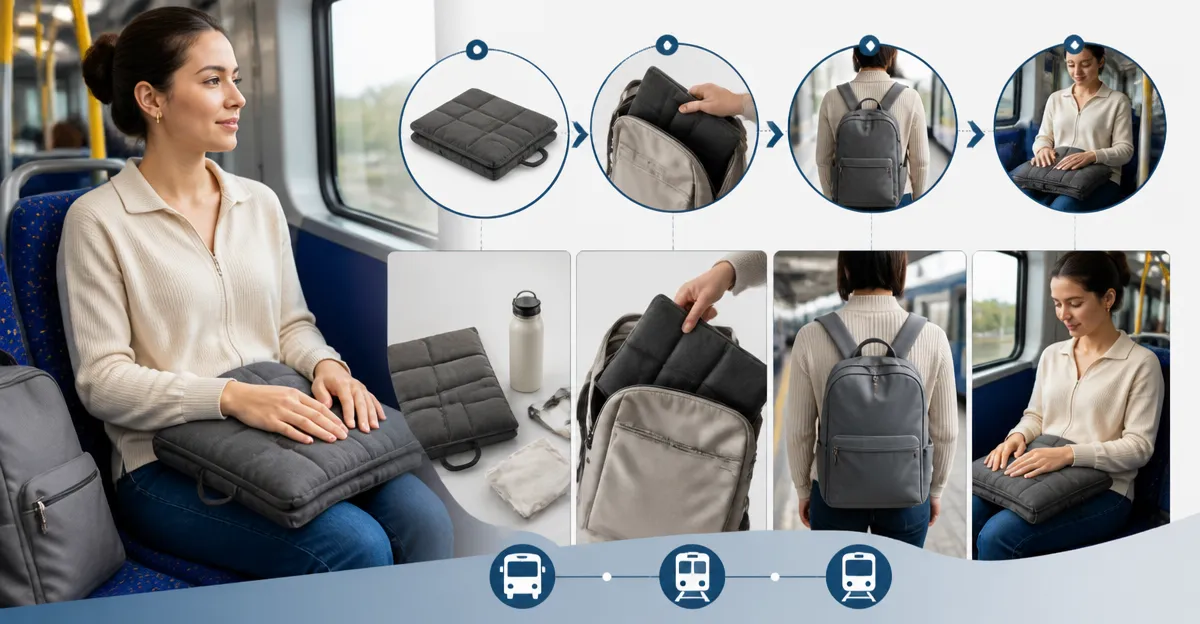
How to Pack and Carry a Weighted Lap Pad on Public Transit: Smart, Comfortable Options for Buses, Trains & Subways
Introduction
Traveling on public transit while using a weighted lap pad can improve focus and reduce anxiety during crowded commutes. This guide explains how to select, fold, protect, and position a weighted lap pad so that it remains effective and unobtrusive. Readers will learn practical techniques that respect personal space and comply with transit regulations. The information presented is valuable for anyone seeking a calm riding experience without sacrificing comfort.
What You'll Need
- A weighted lap pad or blanket that matches personal weight preferences.
- A compact travel bag or sleeve that can accommodate the folded pad.
- Optional: a reusable zip‑lock bag for moisture control.
- Cleaning supplies for post‑journey maintenance.
All of the items listed are readily available and inexpensive, yet each contributes to a smoother transit experience. The weighted lap pad itself serves as the core therapeutic tool, while the bag protects it from dirt and accidental spills. A moisture‑control bag can be particularly useful in humid climates or during rainy seasons. Cleaning supplies ensure that the pad remains hygienic for repeated use.
Step 1: Assess the Transit Environment
Begin by evaluating the type of vehicle, typical passenger density, and seat configuration you will encounter. Buses often have narrow seats with armrests that may limit the width of a lap pad, whereas trains provide more spacious seating but experience higher passenger turnover. Identify any storage restrictions, such as overhead racks or under‑seat space, that could affect where you place the pad. Understanding these variables allows you to adapt the folding method and choose the most suitable weighted product.
Step 2: Select an Appropriate Weighted Lap Pad
Choosing a lap pad that balances therapeutic weight with portability is essential for comfortable travel. The Drewin Weighted Blanket offers a 15‑lb weight in a queen‑size format, providing deep‑pressure stimulation while remaining foldable enough for most seats. Its dual‑sided design combines plush sherpa on one side with luxurious jacquard sherpa on the other, delivering warmth and softness throughout the journey. With a rating of 4.7 out of 5 from 850 reviews and a price of $50.99, it presents a reliable and affordable option for regular commuters. The blanket's 7‑layer construction and tightly stitched grids keep the ceramic beads evenly distributed, preventing shifting that could cause discomfort during movement.
If you anticipate warmer conditions or require a cooler surface, the Smart Queen Cooling Weighted Blanket provides a breathable cotton fabric engineered for moisture wicking. Weighing 15 lbs and sized for twin beds, it fits comfortably on most seats without excessive bulk. Its cooling technology is beneficial for hot sleepers and for transit environments where temperature control is limited. Priced at $19.99 with a 4.6 rating from 13 reviews, it represents a budget‑friendly alternative that still delivers consistent pressure. The no‑leak design ensures that the glass beads remain securely contained, reducing the risk of noise or spillage while traveling.
Step 3: Fold and Compress the Pad Efficiently
After selecting the appropriate blanket, lay it flat on a clean surface and smooth out any wrinkles. Fold the blanket lengthwise into thirds, aligning the edges to create a uniform rectangle that matches the width of the seat. Next, roll the folded rectangle tightly from one short end to the other, applying gentle pressure to expel trapped air. Secure the roll with a strap, elastic band, or the built‑in corner ties if the blanket includes them. This method reduces the overall volume by up to 70 percent, making it easy to store in a personal bag or under the seat.
Step 4: Protect the Pad with a Travel Bag or Sleeve
Place the rolled blanket into a compact travel bag that features a zippered closure and internal padding. A bag made from water‑resistant material adds an extra layer of protection against spills and humidity. If a dedicated bag is unavailable, a sturdy zip‑lock bag can serve as an interim barrier, especially when combined with a soft cloth wrap. Ensure that the bag fits within the designated storage area of the transit vehicle without obstructing aisles or doorways. Proper protection prolongs the lifespan of the blanket and maintains its therapeutic efficacy.
Step 5: Position the Pad on the Seat and Manage During the Ride
When boarding, place the bagged blanket on your lap, adjusting the position so that the weighted side rests against your thighs. If the seat includes armrests, slide the bag underneath them to keep the blanket centered and prevent it from sliding off. During the ride, avoid excessive movement that could dislodge the roll; instead, keep your legs relaxed and maintain a steady posture. Should you need to retrieve the blanket for a quick stretch, unroll it gently and refold using the same technique to preserve its shape.
Step 6: Maintain Hygiene and Store After Travel
Upon reaching your destination, remove the blanket from the bag and inspect it for any stains or odors. Spot‑clean minor spills with a mild detergent, or follow the manufacturer's washing instructions for a full machine wash on a gentle cycle with cold water. Both recommended blankets are machine washable and can be tumble‑dried on low heat, ensuring they retain softness after multiple washes. Store the clean, folded blanket in a breathable container to prevent moisture buildup, especially in humid climates.
Tips & Pro Tips
- Choose a weight that corresponds to 8‑10% of your body weight for optimal deep‑pressure benefits.
- Carry a small, reusable tote to hold the travel bag when not in use, keeping your hands free for other items.
- When traveling during peak hours, position the blanket against the backrest rather than the lap to free up space for personal belongings.
- Consider using a thin, breathable pillowcase over the blanket to reduce friction against clothing.
Troubleshooting
- Problem: The blanket shifts during the ride.
Solution: Use a non‑slip silicone mat beneath the bag or secure the roll with a Velcro strap. - Problem: The blanket feels too hot in summer.
Solution: Switch to the Smart Queen Cooling Weighted Blanket for its moisture‑wicking cotton fabric. - Problem: The zip on the travel bag breaks.
Solution: Replace the bag with a heavy‑duty nylon pouch that includes reinforced stitching.
Conclusion
This guide has outlined a systematic approach to packing, transporting, and using a weighted lap pad on public transit. By assessing the environment, selecting a suitable blanket, folding efficiently, and protecting the pad, commuters can enjoy therapeutic benefits without compromising comfort or safety. The tips and troubleshooting section further equips travelers with strategies to address common challenges. One is encouraged to apply these practices on the next bus, train, or subway ride to experience a calmer, more focused journey.
Products Mentioned in This Guide
Frequently Asked Questions
What is the best way to fold a weighted lap pad for public transit?
Fold the pad in thirds or roll it tightly, then place it in a compact travel bag to keep it flat and easy to carry.
Can I bring a weighted lap pad on buses, trains, and subways without violating rules?
Yes, most transit systems allow personal comfort items as long as they are stored out of the way and do not obstruct aisles or doors.
Should I use a zip‑lock bag for my weighted lap pad during travel?
A reusable zip‑lock bag helps control moisture and protects the pad from spills, making it a handy optional layer.
How do I keep my weighted lap pad clean after a commute?
Wipe the surface with a damp cloth and mild detergent, then let it air‑dry before folding it back into its bag.
What size travel bag is recommended for a weighted lap pad?
Choose a bag that’s slightly larger than the folded pad—typically a slim sleeve or tote around 12‑14 inches long—to ensure a snug fit without excess bulk.