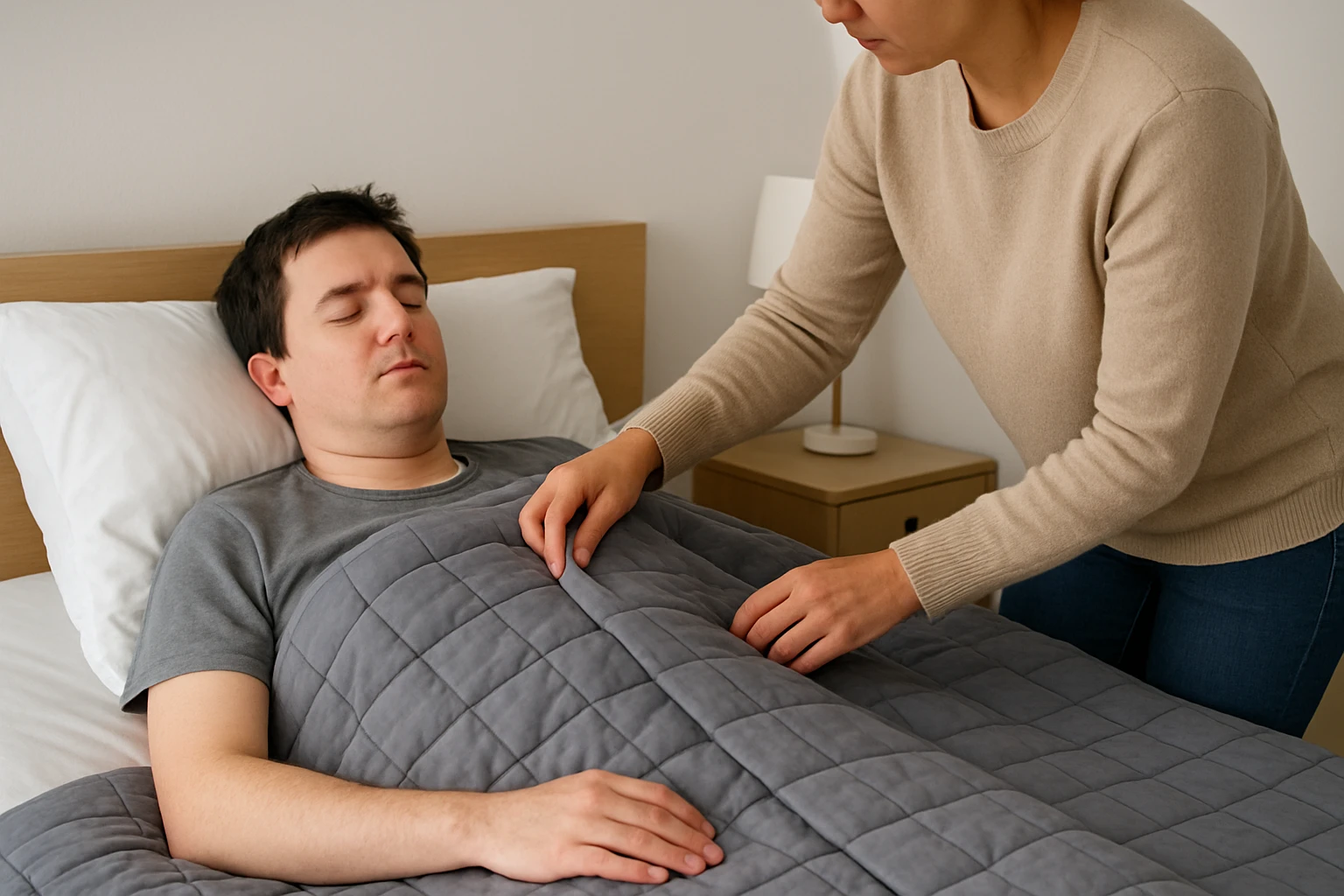
How to Introduce a Weighted Blanket to an Autistic Adult: Safe, Gradual Steps and Sensory‑Friendly Tips
This guide explains how an autistic adult can experience the calming benefits of a weighted blanket without feeling overwhelmed. Readers will learn why weight, texture, and routine matter, and they will receive practical, evidence‑based steps that can be implemented at home. The article also recommends three Amazon products that serve as reliable tools for each phase of the process.
What You Will Need
- Weighted blanket appropriate for the individual’s body weight (see product recommendations below).
- Soft, breathable bedding or duvet cover to protect the blanket.
- Timer or phone alarm to monitor session length.
- Quiet, low‑stimulus environment (dim lighting, minimal background noise).
- Notebook or digital log to track reactions and adjustments.
Step 1: Assess Sensory Profile and Preferences
Before any physical tool is introduced, it is essential to understand the adult’s sensory thresholds. Conduct a brief interview or use a standardized questionnaire to identify preferences for temperature, pressure, and texture. Note whether the individual prefers cool fabrics or enjoys the warmth of fleece, and whether they are comfortable with visual patterns such as the playful blue dinosaur on the HOSUKKO Weighted Blanket or prefers a neutral colour.
Document the findings in a log. This record will guide the selection of blanket weight, material, and visual design. For example, a preference for bright, lively patterns may indicate that the HOSUKKO’s dinosaur motif could be motivating, while a desire for understated aesthetics may lead to the dark‑grey Uttermara or Waowoo options.
Why this matters: Autistic adults often experience heightened proprioceptive responses. A blanket that aligns with personal sensory preferences reduces the risk of overstimulation and promotes a sense of safety.
Step 2: Choose the Correct Weight and Material
The general recommendation for weighted blankets is to select a weight that equals approximately 10 % of the user’s body weight, plus one pound for added comfort. For an adult weighing 150 lb, a 15‑lb blanket is ideal. The Waowoo Weighted Blanket (15 lb, queen size) meets this criterion and offers a breathable dark‑grey fabric that is less likely to cause overheating.
If the individual is lighter or prefers a gentler pressure, the HOSUKKO Weighted Blanket (5 lb) provides a lighter alternative. Its 100 % microfiber construction is soft, breathable, and machine‑washable, making it suitable for users who are sensitive to heat.
For those who value warmth and a plush feel, the Uttermara Weighted Blanket combines a sherpa reverse with a fleece front, delivering a cozy hug that can be especially comforting during colder months.
Key product details:
- Waowoo Weighted Blanket: $29.99, 4.6/5 rating (38,010 reviews), queen size 60"×80", premium glass beads, breathable fabric.
- HOSUKKO Weighted Blanket: $24.29, 4.7/5 rating (2,213 reviews), 36"×48" size, 5 lb, 100 % microfiber, machine‑washable.
- Uttermara Weighted Blanket: $54.94, 4.7/5 rating (4,761 reviews), queen size 60"×80", 7‑layer design, sherpa & fleece, durable stitching.
Step 3: Introduce the Blanket Gradually
Begin with short, supervised sessions lasting 5‑10 minutes. Place the blanket loosely over the shoulders while the individual is seated in a familiar chair. Observe facial expressions, breathing patterns, and any verbal feedback. Use a timer to ensure the session does not exceed the planned duration.
If the person appears relaxed, extend the next session by five minutes. Over the course of two weeks, aim for a maximum of 30‑45 minutes per session before progressing to full‑night use. This incremental approach respects the neurodivergent need for predictability and reduces the likelihood of sensory overload.
During each session, encourage the adult to focus on the gentle pressure, describing it as a “soft hug.” The HOSUKKO’s loops at the corners allow the blanket to be secured to a quilt cover, preventing it from shifting unexpectedly—a useful feature for early trials.
Why a gradual method works: Autistic adults often require time to habituate to new proprioceptive inputs. A stepwise increase builds tolerance while maintaining a sense of control.
Step 4: Create a Sensory‑Friendly Environment
Optimize the surrounding space to complement the blanket’s calming effect. Dim the lights, reduce background noise, and eliminate strong scents. If the individual enjoys visual stimulation, the blue dinosaur pattern on the HOSUKKO may serve as a pleasant focal point, whereas the neutral tones of Waowoo or Uttermara can minimize visual distraction.
Consider adding a weighted lap pad or a small pillow for additional proprioceptive input if the blanket alone feels insufficient. Ensure that the bedding is smooth and free of tags that could cause irritation. The Uttermara’s sherpa reverse offers a warm, tactile surface that can be especially soothing in cooler environments.
Maintain a consistent bedtime routine: a warm shower, a short meditation, and then the weighted blanket session. Consistency reinforces the association between the blanket and relaxation, making the transition smoother.
Step 5: Evaluate, Adjust, and Maintain
After one to two weeks of regular use, review the log to assess sleep quality, anxiety levels, and overall comfort. If the adult reports feeling trapped or overheated, consider switching to a lighter weight (e.g., HOSUKKO) or a more breathable fabric (e.g., Waowoo). Conversely, if the pressure feels insufficient, a heavier option such as the Uttermara may be appropriate.
Maintenance is crucial for long‑term success. All three recommended blankets are machine‑washable, but follow the specific care instructions: low‑temperature wash for HOSUKKO, gentle cold‑water cycle for Waowoo, and a commercial machine for Uttermara due to its heavier weight. Using a duvet cover protects the blanket’s stitching and extends its lifespan.
Regularly reassess the user’s weight and health status. As body weight changes, the optimal blanket weight may shift, requiring an upgrade or downgrade.
Tips & Pro Tips
- Start with a short nap: A 10‑minute nap under the blanket can be less intimidating than a full night.
- Use a timer: An audible alarm signals the end of a session, preventing accidental overstimulation.
- Pair with deep‑breathing exercises: The combined effect of pressure and controlled breathing enhances relaxation.
- Monitor temperature: If the user sweats, switch to the cooler microfiber of the HOSUKKO or use the Waowoo without the sherpa layer.
- Involve a trusted caregiver: Their presence can provide reassurance during the initial phases.
Troubleshooting
| Problem | Possible Cause | Solution |
|---|---|---|
| Feeling trapped | Blanket too heavy or too tight | Switch to a lighter blanket (HOSUKKO 5 lb) or loosen the loops. |
| Overheating | Thick fleece or warm room | Use the breathable Waowoo or lower room temperature. |
| Beads shifting | Improper stitching | Select a blanket with reinforced 7‑layer design such as Uttermara. |
| Allergic reaction to fabric | Sensitivity to synthetic fibers | Choose a natural‑fiber cover or wash the blanket before first use. |
Conclusion
Introducing a weighted blanket to an autistic adult can be a transformative step toward improved sleep, reduced anxiety, and enhanced sensory regulation. By assessing sensory preferences, selecting the correct weight and material, introducing the blanket gradually, creating a supportive environment, and continuously evaluating outcomes, caregivers can ensure a safe and enjoyable experience. The recommended products—HOSUKKO Weighted Blanket, Waowoo Weighted Blanket, and Uttermara Weighted Blanket—provide reliable, high‑quality options for each stage of the process. With patience, consistency, and the right tools, the adult can enjoy the soothing embrace of a weighted blanket without compromising comfort or safety.
Products Mentioned in This Guide
Frequently Asked Questions
What weight should a weighted blanket be for an autistic adult?
Choose a blanket that is about 10% of the adult’s body weight, or up to 12% if they prefer a firmer feel, after consulting a healthcare professional.
How can I determine if the blanket’s texture is suitable?
Start with a soft, breathable duvet cover and let the adult touch the blanket; if it feels itchy or too hot, try a different fabric or a lighter cover.
What is the best way to introduce the blanket without causing overwhelm?
Begin with 5‑10 minutes in a low‑stimulus room, gradually increasing duration by 5 minutes each session while monitoring comfort.
How do I track the adult’s response to the weighted blanket?
Use a simple log or note‑taking app to record session length, sensory reactions, and any changes in anxiety or sleep quality.
Can I use a timer to ensure safe usage?
Yes, set a timer or phone alarm for the planned session length to prevent the blanket from being used too long, especially during initial trials.