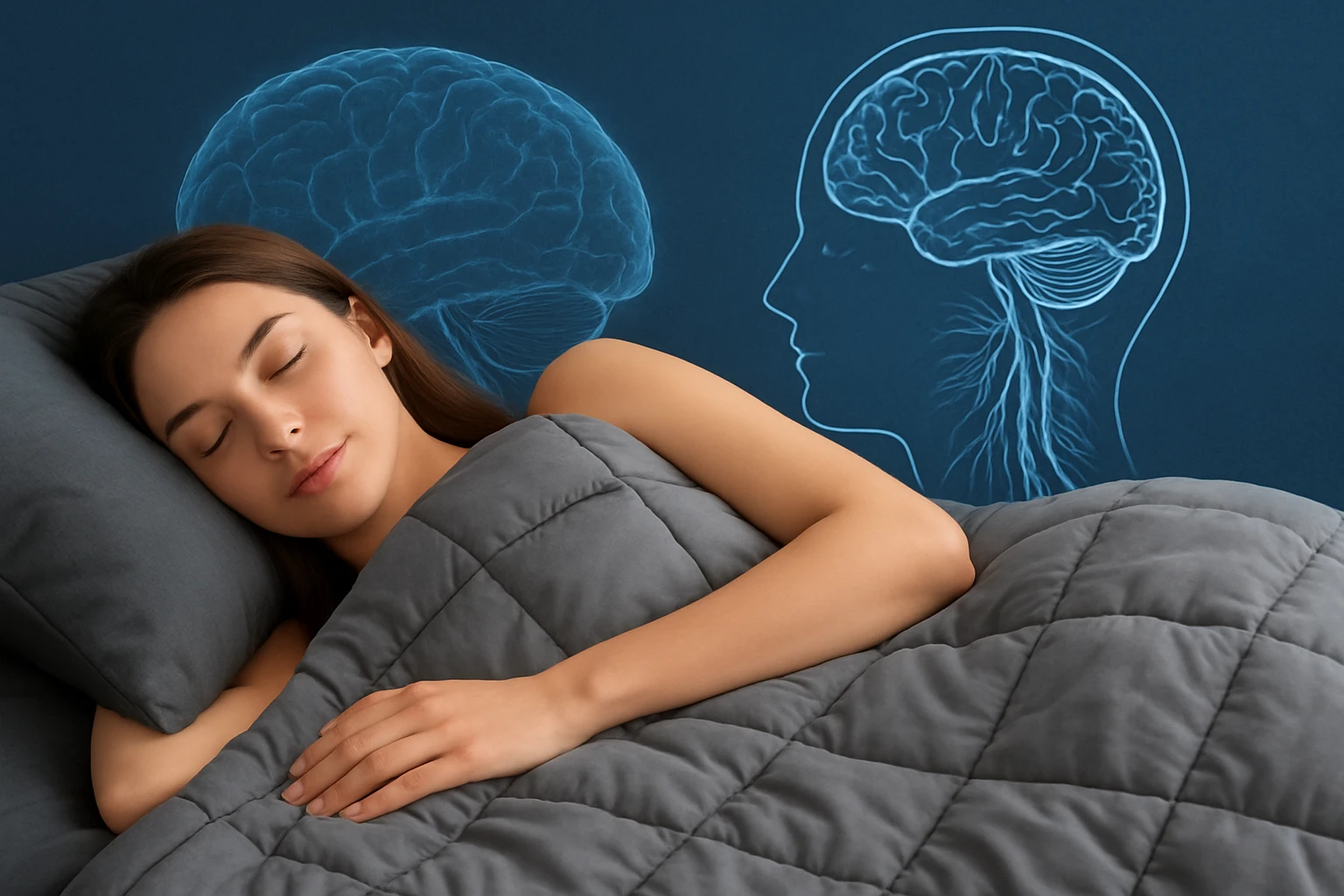
How Weighted Blankets Affect the Nervous System: A Science‑Backed Guide
Introduction
The purpose of this guide is to explain how weighted blankets interact with the human nervous system and to provide evidence‑based recommendations for their safe and effective use. Readers will learn the physiological mechanisms that underlie the calming sensation, the contexts in which weighted blankets are most beneficial, and criteria for selecting a product that matches individual needs. In addition, the guide offers practical tips for integrating a weighted blanket into daily routines without compromising comfort or safety. By the end of the article, one will possess a comprehensive understanding of both the science and the practical considerations surrounding weighted blankets.
Background and Context
Weighted blankets are therapeutic accessories that apply gentle, evenly distributed pressure across the body. The pressure is typically generated by glass beads, plastic pellets, or other dense fillers encased in a fabric shell. This pressure is often described as a "deep pressure stimulation" (DPS) which has been studied for its impact on the autonomic nervous system. The autonomic system regulates involuntary functions such as heart rate, respiration, and stress hormone release, making it a key target for interventions aimed at reducing anxiety and improving sleep.
Research in occupational therapy and sensory integration has demonstrated that DPS can increase parasympathetic activity while decreasing sympathetic arousal. In practical terms, this shift leads to a slower heart rate, lower cortisol levels, and a heightened sense of safety. The effect is comparable to the sensation of a firm hug, which is why many users describe the experience as comforting and grounding. Understanding these mechanisms provides a scientific foundation for the therapeutic claims made by manufacturers and clinicians.
Key Concepts and How Weighted Blankets Work
To appreciate the impact of a weighted blanket, one must first understand three core concepts: proprioception, tactile input, and the body’s stress response. Proprioception refers to the sense of body position and movement, which is enhanced when external pressure is applied. Tactile input involves the skin’s mechanoreceptors that transmit pressure signals to the brain, promoting a calming feedback loop. Finally, the stress response is mediated by the hypothalamic‑pituitary‑adrenal (HPA) axis, which releases cortisol when the body perceives threat.
When a weighted blanket exerts gentle pressure, mechanoreceptors fire in a pattern that the brain interprets as safe contact. This signal suppresses the HPA axis, reducing cortisol output and encouraging the release of serotonin, a neurotransmitter associated with mood regulation. Increased serotonin can subsequently be converted to melatonin, the hormone that regulates sleep‑wake cycles. The cumulative effect is a state of relaxed alertness that can improve sleep quality and reduce anxiety symptoms.
Clinical studies have reported statistically significant improvements in sleep latency, total sleep time, and perceived stress among participants who used weighted blankets for four weeks or longer. While individual responses vary, the consensus among researchers is that the blanket must be appropriately weighted—generally 10 % of body weight—to achieve optimal DPS without causing discomfort.
Product Recommendation: Alomidds 7lb Weighted Lap Blanket
For individuals seeking a portable solution that delivers the benefits of deep pressure stimulation, the Alomidds 7lb Weighted Lap Blanket offers a compelling blend of design and functionality. This lap blanket measures 29 × 24 inches, making it suitable for travel, office use, or short naps on a couch. It features double‑sided crystal velvet that feels silky to the touch, and the interior is filled with non‑toxic glass beads arranged in 50 diamond‑shaped grids for even weight distribution.
The product has earned a rating of 4.6 out of 5 stars from 205 reviews, indicating high customer satisfaction. At a price of $26.99, it provides an affordable entry point for those who wish to experience the calming effects of weighted therapy without investing in a full‑size blanket. The blanket is machine washable in cold water and tumble dried on low heat, simplifying maintenance for frequent travelers.
Because the blanket is sized for the lap, it concentrates pressure on the torso, which is often the most responsive area for DPS. Users have reported that the blanket mimics the sensation of a gentle hug, facilitating relaxation during stressful activities such as studying, working from home, or recovering from a long flight. The lightweight yet substantial 7‑pound weight aligns with the recommended 10 % body weight guideline for individuals weighing approximately 70 pounds, making it a versatile option for a broad range of users.
Comparison and Selection Guide
Selecting the right weighted blanket requires careful consideration of several factors, including weight, size, fabric, and intended use. The table below compares key attributes of common product categories to assist readers in making an informed decision.
| Attribute | Lap Blanket (e.g., Alomidds) | Standard Full‑Size Blanket | Therapeutic Medical‑Grade Blanket |
|---|---|---|---|
| Typical Weight Range | 5‑10 lb | 10‑20 lb | 15‑30 lb |
| Dimensions | 29 × 24 in | 60‑80 in wide | Varies, often 48 × 72 in |
| Portability | Highly portable, rolls easily | Moderate, requires storage space | Low, designed for stationary use |
| Fabric Options | Crystal velvet, microfiber | Cotton, fleece, bamboo | Medical‑grade breathable fabrics |
| Price Range | $20‑$35 | $50‑$150 | $150‑$300 |
When choosing a blanket, one should first calculate the recommended weight based on body mass (approximately 10 % of total weight). Next, determine the primary environment of use: a lap blanket excels for travel and office settings, while a full‑size blanket may be preferable for nightly sleep. Fabric preference should align with climate; breathable cotton reduces heat retention, whereas velvet provides a luxurious tactile experience.
For users with sensory processing disorders, a blanket with a seamless edge design, such as the Alomidds model, minimizes noise and potential irritation. Individuals with chronic pain may benefit from a higher weight that offers deeper pressure, provided the weight does not exceed comfort thresholds. Finally, budget constraints often dictate whether a consumer opts for a portable lap blanket or a more expansive therapeutic model.
Best Practices and Tips for Optimal Use
- Begin with short sessions of 10‑15 minutes to assess tolerance before extending usage to an hour or more.
- Place the blanket on the torso or lap while lying down; avoid covering the neck or face to maintain unobstructed breathing.
- Combine the blanket with a consistent bedtime routine that includes dim lighting and reduced screen exposure to enhance sleep quality.
- For individuals with temperature sensitivity, select a breathable fabric or use a lightweight cover to regulate heat.
- Inspect the blanket regularly for bead leakage; most high‑quality products feature sealed seams to prevent this issue.
- Consult a healthcare professional before using a weighted blanket if one has circulatory, respiratory, or musculoskeletal conditions.
In addition to these guidelines, it is advisable to store the blanket in a dry environment to preserve the integrity of the filling material. When laundering, follow manufacturer instructions—most lap blankets, including the Alomidds model, tolerate machine washing in cold water and low‑heat tumble drying. Avoid bleach or fabric softeners, as these can degrade the fabric’s texture and reduce its ability to provide consistent pressure.
Frequently Asked Questions
- What weight is appropriate for a 150‑pound adult? The general recommendation is 10 % of body weight, which equates to 15 pounds. Users may adjust up or down by 2‑3 pounds based on personal comfort.
- Can a weighted blanket be used by children? Yes, provided the blanket weighs no more than 10 % of the child’s body weight and is supervised during use to prevent overheating.
- Do weighted blankets help with anxiety? Clinical evidence indicates that deep pressure stimulation can lower cortisol levels and increase serotonin, thereby reducing anxiety symptoms for many individuals.
- Is it safe to use a weighted blanket while sleeping? For most healthy adults, using a properly weighted blanket during sleep is safe. Those with respiratory or circulatory disorders should seek medical advice before use.
- How often should the blanket be washed? It is advisable to wash the blanket every two to three weeks, or more frequently if it becomes soiled. Follow the care instructions to maintain fabric quality.
- Can I add a removable cover? Some manufacturers offer removable covers for easier cleaning. While the Alomidds lap blanket does not include a separate cover, its breathable velvet fabric is designed for regular laundering.
- Will the blanket cause overheating? Overheating can occur if the fabric is not breathable or if the ambient temperature is high. Selecting a lightweight, moisture‑wicking material helps mitigate this risk.
Conclusion
Weighted blankets provide a scientifically supported method for delivering deep pressure stimulation, which can calm the autonomic nervous system and promote restful sleep. By understanding the underlying mechanisms—proprioceptive feedback, tactile input, and hormonal modulation—users can make informed decisions about product selection and usage. The Alomidds 7lb Weighted Lap Blanket exemplifies a portable, affordable option that meets the criteria for effective DPS while offering ease of care and high customer satisfaction.
When integrated with healthy sleep hygiene practices and individualized weight guidelines, a weighted blanket can become a valuable tool for managing stress, anxiety, and sensory challenges. Future research will continue to refine dosage recommendations and explore long‑term outcomes, but current evidence already supports the blanket’s role as a low‑risk, high‑reward therapeutic aid.
Products Featured in This Guide
Alomidds 7lb Weighted Lap Blanket
Price: $26.99
Rating: 4.6 out of 5 stars (205 reviews)
Why it is featured: This lap blanket delivers clinically relevant deep pressure stimulation in a compact, travel‑friendly format, making it ideal for users who need portable anxiety relief and improved sleep quality.