Introduction
One will discover how to design a structured sensory diet that incorporates weighted lap pads, pillows and blankets. The guide explains why deep‑pressure input is valuable for children who experience sensory challenges. It also clarifies how a consistent routine can improve focus, reduce anxiety and promote self‑regulation. By following the steps, caregivers can create a personalized program that integrates therapeutic tools without excessive cost.
What You Will Need
- A weighted pillow, lap pad or blanket that matches the child’s weight tolerance.
- A quiet, clutter‑free space where the child can sit or lie comfortably.
- A timer or visual schedule to mark each activity segment.
- Optional sensory accessories such as fidget toys, soft lighting or calming music.
Step 1: Assess the Child’s Sensory Profile
Before selecting any weighted tool, one should review the child’s sensory processing assessment conducted by an occupational therapist. The assessment identifies whether deep‑pressure input is beneficial and determines the appropriate weight range, typically 5‑10 percent of body weight. Caregivers should document the child’s preferred positions, triggers for overload and times of day when regulation is most needed. This information forms the foundation for choosing the correct product and scheduling the routine.
Step 2: Choose the Appropriate Weighted Tool
Based on the assessment, one can select a weighted item that provides gentle, evenly distributed pressure. For children who enjoy hugging a soft object, the Weighted Pillow offers a 6.6‑lb core filled with glass beads, a chemical‑free cotton cover and machine‑washable convenience. Priced at $16.97 with a 4‑star rating from 82 reviews, it is suitable for lap‑hugging or placement on the thighs during seated work.
If a flatter surface is preferred, the Weighted Lap Pad provides a 5‑lb pressure in a 20‑by‑17‑inch format, featuring a flip‑sequin fabric that encourages tactile exploration. At $24.95 and a 4.7‑star rating from 47 reviews, it combines deep‑pressure with visual stimulation, making it ideal for homework or reading sessions.
For families seeking a plush, portable companion, the Cuddle Weighted Lap Blanket delivers 5 lb of weight within a soft fur animal, complete with travel bags. Priced at $39.99 and supported by 1,097 reviews with a 4.6‑star rating, it is especially helpful for children with autism who benefit from a cuddly sensory object.
When visual and tactile engagement are paramount, the Sequins Weighted Lap Pad offers the same 5‑lb pressure plus dynamic sequins that flip with touch. At $24.95 and a 4.8‑star rating from 110 reviews, it provides an interactive element that can sustain attention during longer sessions.
Step 3: Prepare the Environment
One should arrange a dedicated sensory corner that minimizes external distractions. A comfortable chair or floor cushion should be placed near natural light, with the weighted tool positioned on the child’s lap or thighs. The area may include a soft rug, a small bookshelf for calming books and a speaker for low‑volume ambient sounds. By establishing a predictable setting, the child learns to associate the space with regulation and calm.
Step 4: Establish a Routine Schedule
Consistency is essential for sensory integration. One can create a visual schedule that outlines the sequence of activities, such as “Sit with Weighted Pillow → Deep‑Breathing → Reading with Weighted Lap Pad → Movement Break.” Each segment should last between five and fifteen minutes, depending on the child’s tolerance. Using a timer helps the child anticipate transitions, reducing anxiety and fostering independence.
Step 5: Incorporate Deep‑Pressure Activities
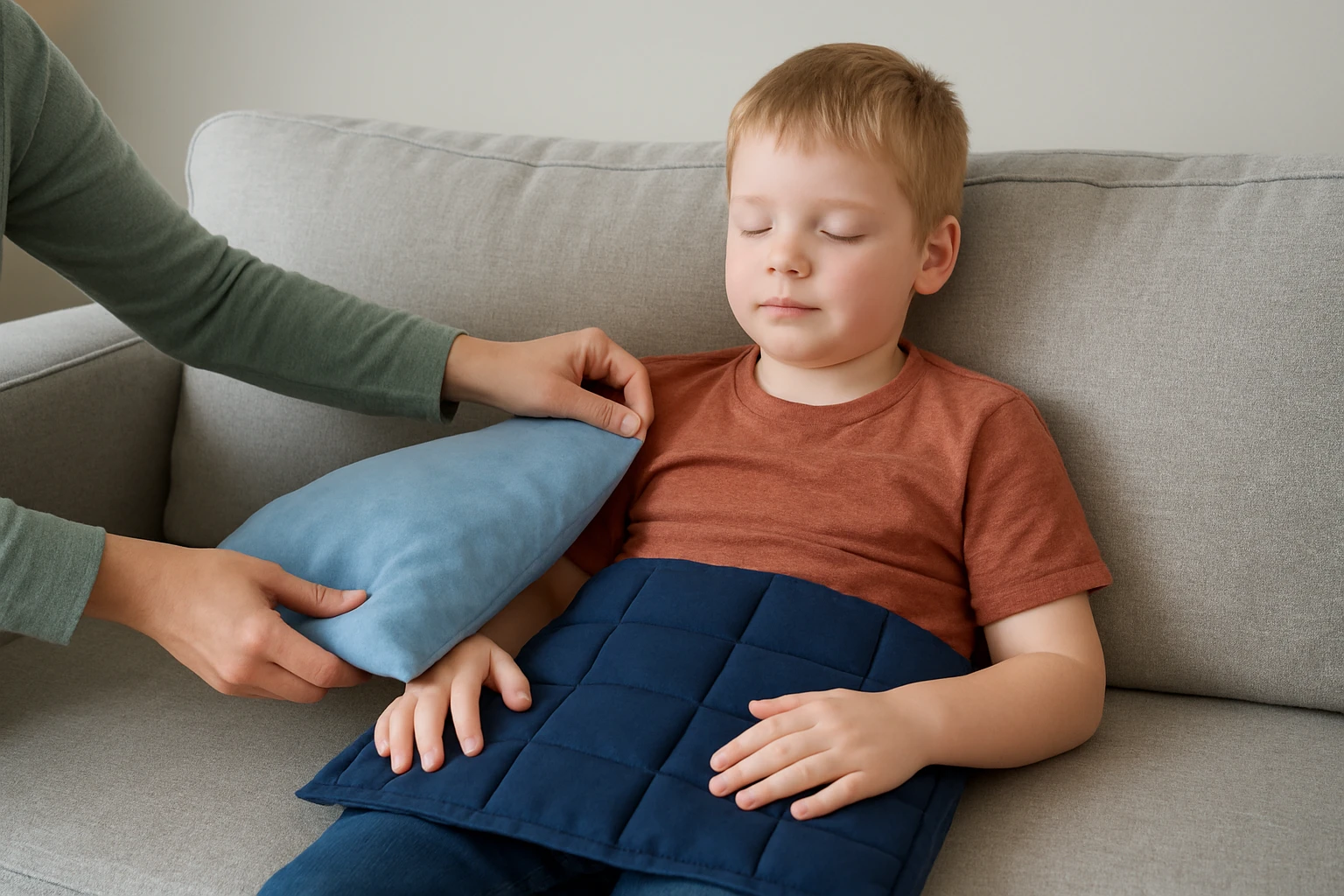
During the scheduled segment, the child places the chosen weighted tool on the lap, thighs or abdomen. The pressure should feel like a gentle hug, not a forceful compression. Caregivers can model deep‑pressure by resting a hand on the child’s shoulders while the weighted item is in place, reinforcing the calming effect. The child should be encouraged to breathe slowly, counting to four on each inhale and exhale, to amplify the relaxation response.
Step 6: Integrate Tactile Interaction
If the selected product includes interactive fabric, such as the sequins on the Sequins Weighted Lap Pad, one can invite the child to flip the sequins while maintaining the weight on the lap. This dual‑sensory input—pressure plus tactile exploration—supports proprioceptive regulation and fine‑motor engagement. For the Cuddle Weighted Lap Blanket, the child may stroke the soft fur, providing additional soothing texture.
Step 7: Monitor Response and Adjust Weight
Throughout the routine, caregivers should observe the child’s facial expression, body language and verbal feedback. Signs of over‑stimulation include fidgeting, increased heart rate or verbal protest. If such signs appear, one may reduce the duration of the weighted segment or select a lighter tool. Conversely, if the child appears under‑stimulated, a slightly heavier pillow—such as the 6.6‑lb Weighted Pillow—may be introduced, provided it remains within the recommended weight range.
Step 8: Clean and Maintain the Tools
All recommended products feature machine‑washable covers or removable fabrics. The Weighted Pillow and Sequins Weighted Lap Pad have zippered covers that can be detached and laundered on a gentle cycle. The Cuddle Weighted Lap Blanket includes a durable outer layer that tolerates machine washing, while the Weighted Lap Pad can be spot‑cleaned if needed. Regular cleaning prevents odor buildup and maintains the integrity of the glass beads.
Step 9: Document Progress
One should keep a simple log that records the date, duration of each weighted segment, the product used and the child’s observed response. Over weeks, patterns will emerge that indicate which tools and time slots are most effective. This documentation assists therapists in fine‑tuning the sensory diet and provides concrete evidence of improvement for parents and educators.
Step 10: Transition to Independent Use
As the child becomes accustomed to the routine, caregivers can gradually reduce prompts and allow the child to select the weighted tool independently. Providing a visual cue, such as a picture of the Weighted Lap Pad, empowers the child to request the item without verbal instruction. This step promotes autonomy and reinforces the child’s internal regulation skills.
Tips & Pro Tips
- Always verify that the weight of the tool does not exceed ten percent of the child’s body weight.
- Combine weighted tools with other sensory strategies, such as swinging or deep‑breathing, for a comprehensive approach.
- Store weighted items in a breathable bag when not in use to protect the fabric and beads.
- Introduce new tools gradually, allowing the child to become familiar with the texture before adding weight.
- If the child experiences skin irritation, ensure the cover is completely dry before reuse.
Conclusion
One now possesses a clear, step‑by‑step framework for constructing a sensory diet that leverages weighted lap pads, pillows and blankets. By assessing the child’s needs, selecting appropriate tools, and maintaining a consistent schedule, caregivers can foster improved focus, reduced anxiety and greater emotional regulation. The routine remains flexible, allowing adjustments as the child grows and as sensory preferences evolve. Implementing these strategies today can create lasting benefits for children with sensory processing challenges.
Products Mentioned in This Guide
Frequently Asked Questions
What is a sensory diet and why include weighted lap pads?
A sensory diet is a planned set of activities that provide specific sensory input; weighted lap pads deliver deep‑pressure input that helps calm the nervous system and improve focus.
How do I determine the correct weight for a weighted lap pad?
Use 5‑10% of the child’s body weight as a guideline, and confirm the range with an occupational therapist’s assessment.
How often should a weighted lap pad be used in a sensory routine?
Start with 5‑10 minutes per session, 1‑2 times daily, and adjust duration based on the child’s response and tolerance.
What safety precautions are needed when using weighted blankets or pillows?
Ensure the weight is appropriate, supervise the child, avoid use during sleep unless approved by a professional, and keep the area clutter‑free.
Can I combine weighted tools with other sensory accessories?
Yes, pairing weighted items with fidget toys, soft lighting, or calming music can enhance the calming effect and keep the child engaged.