Introduction
Weighted lap pads have become a popular tool for improving focus, reducing anxiety, and supporting proper posture. This guide explains how ergonomics influence the effectiveness of these pads and what readers can expect to learn. It covers foundational concepts, practical positioning strategies, and criteria for selecting the most suitable product. Readers will finish with actionable tips that can be applied at home, school, or the workplace.
Background and Context
The principle behind weighted lap pads is deep‑touch pressure, a form of sensory input that encourages the nervous system to calm down. When a gentle, evenly distributed weight rests on the lap, the body experiences a soothing proprioceptive response that can improve muscle tone and spinal alignment. Research indicates that consistent use of weighted accessories can enhance attention span and reduce fidgeting, especially in children with sensory processing challenges. Understanding these mechanisms is essential before exploring specific ergonomic practices.
Understanding Weighted Pressure and Posture
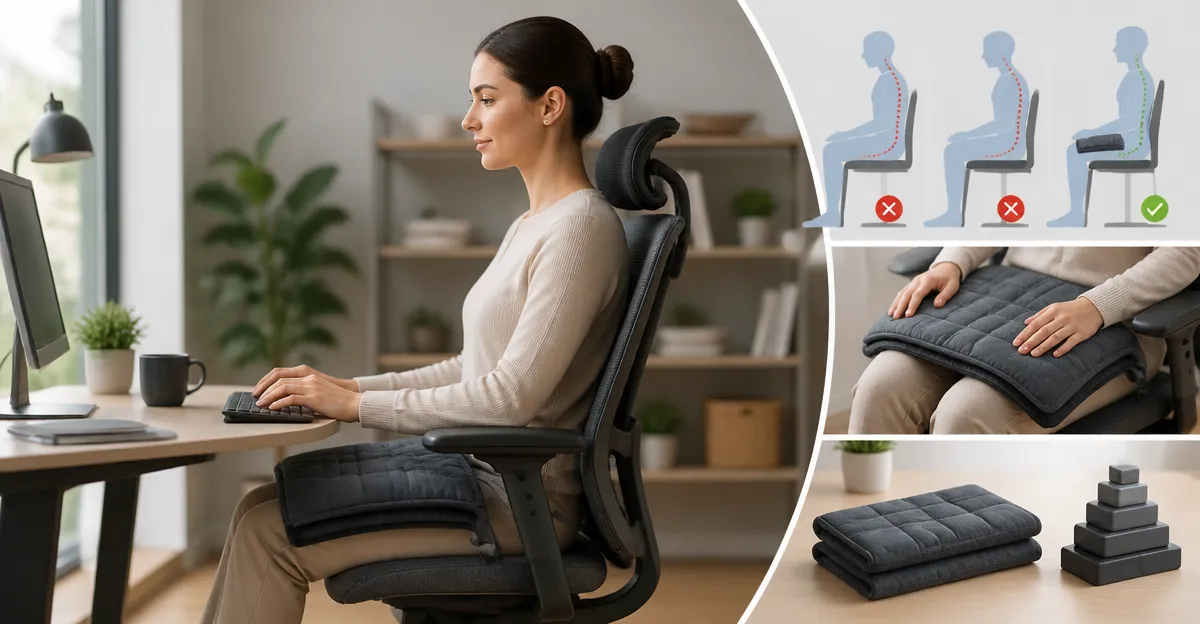
Weighted pressure works by activating the parasympathetic branch of the autonomic nervous system, which promotes relaxation and steadiness. For optimal posture, the pad must sit symmetrically across the thighs, avoiding lateral tilt that could strain the hips or lower back. The ideal placement aligns the center of mass of the pad with the pelvis, allowing the spine to maintain its natural S‑curve. Users who adjust the pad to these parameters often report reduced slouching and improved endurance during seated tasks.
Positioning for Optimal Ergonomic Benefit
When seated, the user should place the pad so that it covers the upper thighs and extends slightly toward the hips, creating a gentle hug‑like sensation. The edges of the pad should rest against the inner thighs without pressing into the groin, which could cause discomfort. It is advisable to keep the shoulders relaxed and the elbows at a 90‑degree angle, allowing the forearms to rest naturally on the desk. Regularly checking alignment prevents the development of asymmetrical habits that could counteract the therapeutic benefits.
Selecting the Right Weight for Your Body
The most common recommendation for weighted lap pads is to choose a weight that equals approximately 10 % of the user’s body weight, with a range of 5 lb to 7 lb suitable for children and lighter adults. Heavier pads provide deeper pressure but may impede circulation if the weight exceeds the recommended threshold. For a child who weighs 50 lb, a 5 lb pad such as the Harkla Kids Weighted Lap Pad offers an appropriate balance of comfort and therapeutic input. Adults seeking a portable solution may prefer the Florensi Weighted Lap Pad 7 lb, which combines a larger surface area with a moderate weight for desk work and travel.
Material and Fabric Considerations
Fabric choice influences both tactile comfort and temperature regulation. Minky‑dot fabrics, as used in the Harkla Kids Weighted Lap Pad, provide a plush, textured surface that enhances proprioceptive feedback. In contrast, the double‑sided velvet and brushed fabric of the L'AGRATY Weighted Lap Blanket deliver a cool‑to‑touch side for warm environments and a warm side for colder settings. Users should match the fabric to their climate preferences to avoid overheating, which can diminish the calming effect.
Integrating Weighted Lap Pads Into Daily Routines
Consistent use is more beneficial than occasional sessions; therefore, placing the pad within reach of frequently used workspaces encourages habit formation. During reading or homework, the pad can be positioned on the lap while the user maintains an upright chair with lumbar support. For travel, compact models such as the Kivik Weighted Lap Blanket fit easily into a carry‑on bag and can be deployed on an airplane seat for soothing pressure during long flights. Cleaning instructions, typically machine‑washable cycles, ensure hygiene without compromising the internal glass beads.
Comparison and Selection Guide
| Product | Weight | Dimensions | Fabric | Price | Rating |
|---|---|---|---|---|---|
| Harkla Kids Weighted Lap Pad | 5 lb | 21" × 19" | 100 % Polyester Minky‑dot | $39.99 | 4.7/5 (837 reviews) |
| Florensi Weighted Lap Pad 7 lb | 7 lb | 20" × 23" | 70 % Viscose / 30 % Polyester Minky | $29.99 | 4.7/5 (871 reviews) |
| Florensi Weighted Lap Pad 5 lb | 5 lb | 20" × 23" | 70 % Viscose / 30 % Polyester | $29.99 | 4.7/5 (871 reviews) |
| L'AGRATY Weighted Lap Blanket | 5 lb | 29" × 24" | Brushed fabric / Velvet (2‑in‑1) | $22.99 | 4.5/5 (9,467 reviews) |
| Kivik Weighted Lap Blanket | 7 lb | 24" × 29" | Crystal velvet (double‑sided) | $27.99 | 4.6/5 (417 reviews) |
When choosing a product, readers should compare weight, size, fabric, and price relative to their ergonomic goals. Children who require a smaller surface area benefit from the compact dimensions of the Harkla and Florensi 5 lb models. Adults who travel frequently may prioritize the lightweight, foldable design of the Kivik blanket. Users with temperature sensitivity should consider the dual‑side fabric of the L'AGRATY blanket for seasonal flexibility. The table above summarizes these variables to aid an informed decision.
Best Practices & Tips
- Begin with a weight that is no more than ten percent of body mass and increase gradually if additional pressure feels beneficial.
- Position the pad so that its center aligns with the pelvis; use a mirror or video to verify symmetric placement.
- Combine the lap pad with an ergonomic chair that supports the lumbar region to maximize spinal alignment.
- Schedule short sessions of fifteen to twenty minutes during the first week, extending to longer periods as comfort improves.
- Maintain the pad according to the manufacturer’s care instructions; most models are machine‑washable on a gentle cycle.
Frequently Asked Questions
- What is the ideal weight for a weighted lap pad?
- For most users, a weight equal to ten percent of body weight provides effective deep‑touch pressure without causing strain.
- Can adults use a lap pad designed for children?
- Adults may use a child‑sized pad if the weight matches their therapeutic needs, but a larger surface area often distributes weight more evenly for adult bodies.
- How often should the pad be cleaned?
- All featured products are machine‑washable; cleaning after weekly use helps maintain hygiene and prolongs the lifespan of the internal glass beads.
- Is it safe to use a weighted lap pad while driving?
- Yes, provided the pad does not interfere with seatbelt operation; the compact size of the Florensi and Kivik models makes them suitable for car seats.
- Do weighted lap pads help with anxiety?
- Many users report reduced anxiety due to the calming proprioceptive input, especially when the pad is used consistently during stressful activities.
- Can the pad be used for therapeutic sessions?
- Occupational therapists often incorporate weighted lap pads into sensory diets, and the US CPSC certification of the Harkla model confirms its safety for therapeutic use.
Conclusion
Weighted lap pads offer a practical, low‑cost method for enhancing posture, focus, and sensory regulation when positioned correctly. By understanding the principles of deep‑touch pressure, selecting an appropriate weight, and choosing a fabric that matches environmental conditions, users can experience measurable ergonomic benefits. The products highlighted in this guide each address specific needs, from child‑focused sensory support to travel‑ready adult comfort. Implementing the best‑practice tips will ensure that the lap pad becomes an integral part of a healthier daily routine.
Products Featured in This Guide
Harkla Kids Weighted Lap Pad
Price: $39.99 | Rating: 4.7/5 (837 reviews)
Featured for its 5 lb weight, premium minky‑dot fabric, and CPSC certification, making it ideal for children who need a gentle sensory hug.
Florensi Weighted Lap Pad 7 lb
Price: $29.99 | Rating: 4.7/5 (871 reviews)
Featured for its balanced 7 lb weight, portable size, and soft minky fabric, suitable for office and travel environments.
Florensi Weighted Lap Pad 5 lb
Price: $29.99 | Rating: 4.7/5 (871 reviews)
Featured for its lighter 5 lb option, breathable viscose blend, and travel‑friendly dimensions.
L'AGRATY Weighted Lap Blanket
Price: $22.99 | Rating: 4.5/5 (9,467 reviews)
Featured for its dual‑side cooling and warming fabrics, making it adaptable to seasonal temperature changes.
Kivik Weighted Lap Blanket
Price: $27.99 | Rating: 4.6/5 (417 reviews)
Featured for its ultra‑soft crystal velvet, travel‑ready storage bag, and even 7‑layer weight distribution.