How to Run a 30-Day Weighted Blanket Trial for Autistic Adults: Step-by-Step Plan, Daily Tracking & Sensory Tips
Introduction
This guide explains how an autistic adult can evaluate the benefits of a weighted blanket over a structured 30‑day period. It outlines preparation, daily logging, and sensory adjustments to ensure reliable results. By following the plan, one can determine whether deep‑pressure stimulation improves sleep, anxiety, or focus. The information is valuable because it combines evidence‑based practice with practical product recommendations.
What You'll Need
- One weighted blanket appropriate for body weight (see product recommendations below)
- Notebook or digital spreadsheet for daily tracking
- Thermometer or room‑temperature monitor (optional)
- Comfortable sleepwear and pillow
- Optional: a duvet cover for easy cleaning
Step 1: Select the Correct Weight and Size
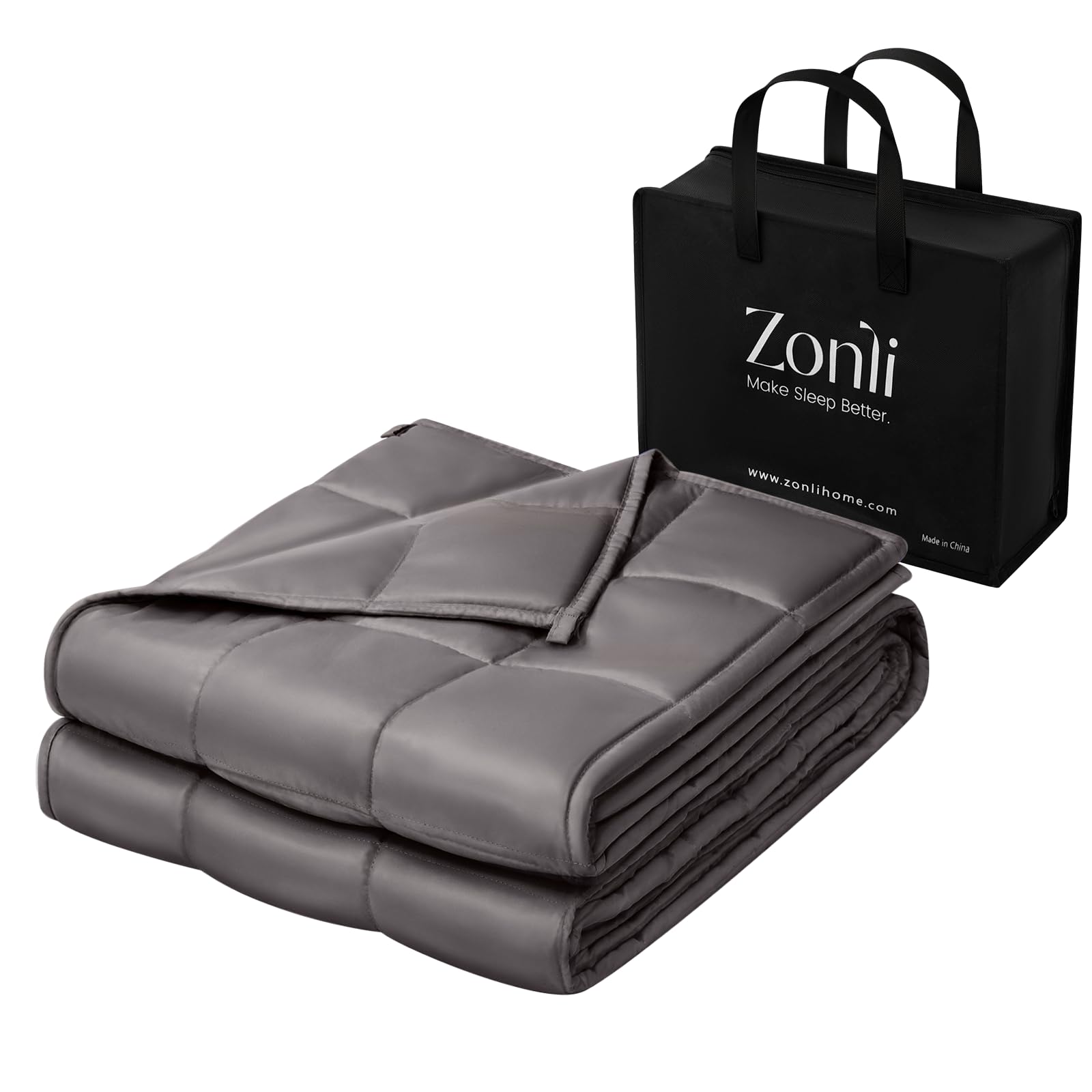
The first step is to choose a blanket that matches the user's body weight and bed dimensions. Research indicates that the optimal weight is 8‑10% of body weight, providing a gentle, grounding pressure without causing discomfort. For an adult weighing 200‑220 lb, the ZonLi Cooling Weighted Blanket at 20 lb is ideal because it falls within this range and offers breathable bamboo‑derived rayon fabric.
Key features of the ZonLi blanket include OEKO‑Tex certified microfiber, temperature‑regulating glass beads, and a 5"×5" compartment design that prevents bead shifting. The product costs $79.99 and holds a 4.6‑star rating from 23,634 reviews, indicating high customer satisfaction. Its cooling properties make it suitable for both winter warmth and summer comfort, which is essential for users who experience temperature sensitivity.
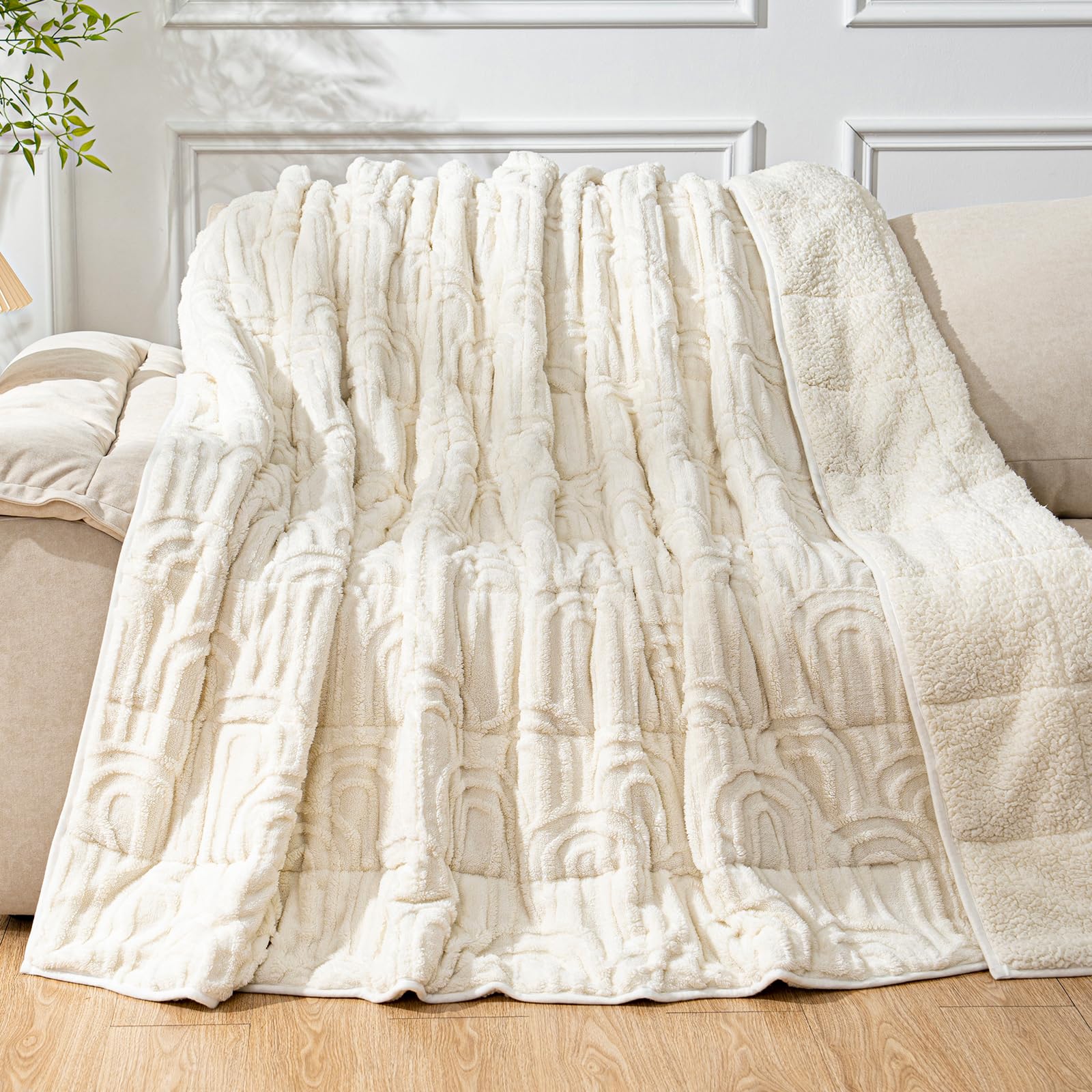
If the user prefers a lighter option, the Cottonblue Sherpa Weighted Blanket at 15 lb provides a softer, fleece surface while still delivering deep‑pressure input. Priced at $52.98 with a 4.7‑star rating from 5,951 reviews, it is a cost‑effective alternative for individuals whose weight falls between 150‑180 lb.
For travel or short‑term use, the yescool Checkered Weighted Lap Pad offers a portable 2 lb solution that can be placed on the lap during reading or meditation. Although lighter, it still provides a localized pressure that can be useful for sensory breaks. It costs $21.99 and carries a 4.6‑star rating from 2,014 reviews.
Step 2: Prepare the Sleeping Environment
Before the trial begins, create a consistent sleep environment that minimizes external variables. Set the room temperature between 60‑67°F (15‑19°C) and use blackout curtains to reduce light exposure. Place the selected blanket on the mattress, ensuring it lies flat and does not hang over the edges, as weighted blankets are intentionally smaller than traditional comforters.
If the chosen blanket is the ZonLi model, consider purchasing the optional duvet cover offered by the brand for easier laundering, because the blanket itself may exceed the load capacity of a standard washing machine. The Cottonblue blanket is machine‑washable on a gentle cycle, which simplifies maintenance during the trial. For the yescool lap pad, a simple hand wash after each week is sufficient.
Document the baseline sleep conditions in the tracking notebook, noting bedtime, wake‑time, room temperature, and any pre‑sleep rituals. This baseline will serve as a comparison point for the subsequent 30‑day data.
Ensure that any electronic devices are turned off or placed out of reach at least 30 minutes before bedtime to avoid blue‑light interference, which can skew the trial results.
Step 3: Begin the 30‑Day Trial – Days 1‑10 (Acclimation Phase)
During the first ten days, the user should wear the blanket for the entire sleep period to allow the body to adapt to the added weight. Research suggests a 7‑10 day adjustment period, during which the nervous system learns to interpret the deep‑pressure stimulus as soothing.
Each night, record the following data points: perceived comfort (scale 1‑5), ease of falling asleep (minutes), number of awakenings, and overall mood upon waking. Use a simple table format in the notebook or a spreadsheet to keep entries uniform.
If the user experiences difficulty breathing or excessive sweating, adjust the blanket placement by folding the edges inward or using a lighter cover sheet. The breathable nature of the ZonLi blanket’s bamboo‑derived rayon can mitigate overheating, while the Cottonblue’s sherpa side can be turned down if the user feels too warm.
It is normal to notice a slight increase in sleep latency during the first few nights; this is part of the sensory recalibration process. Encourage the user to practice a calming routine, such as deep‑breathing or gentle stretching, before getting into bed.
Step 4: Mid‑Trial Evaluation – Days 11‑20 (Optimization Phase)
After the acclimation phase, review the collected data to identify trends. Look for reductions in sleep latency, fewer nighttime awakenings, or improved morning mood. If the data shows minimal change, consider minor adjustments.
For the ZonLi blanket, ensure the 5"×5" bead compartments remain intact; any shifting can create uneven pressure, reducing effectiveness. The upgraded 3.0 version includes a 5+2 layer lining that prevents leakage, but occasional inspection is prudent.
If the user reports excessive heat, flip the blanket so the cooler side faces upward, or use a breathable cotton sheet underneath. The Cottonblue blanket’s sherpa side can be reversed to the smoother jacquard side for a cooler feel.
During this phase, introduce a short daytime sensory break using the yescool lap pad. Place it on the lap while reading or working to provide intermittent deep‑pressure input, which can reinforce the calming effect experienced during sleep.
Step 5: Final Assessment – Days 21‑30 (Confirmation Phase)
In the final ten days, continue daily logging and compare the results with the baseline recorded in Step 2. Focus on long‑term outcomes such as sustained mood improvement, reduced anxiety, and consistent sleep quality.
If the user experiences persistent discomfort, reassess the weight selection. A blanket that is too heavy can cause joint strain, while one that is too light may not deliver sufficient sensory input. The weight guidelines (8‑10% of body weight) remain the benchmark.
At the end of day 30, calculate average scores for each metric and create a simple visual chart (e.g., bar graph) to illustrate progress. This visual representation helps the user and any supporting professionals (therapists, physicians) understand the impact of the weighted blanket.
Conclude the trial by deciding whether to continue using the blanket, switch to a different weight, or discontinue use based on the documented outcomes.
Tips & Pro Tips
- Maintain a consistent bedtime and wake‑time throughout the trial to isolate the blanket’s effect.
- Use a sleep‑tracking app in conjunction with manual logs for more precise data.
- If the blanket feels too restrictive, try a short “warm‑up” period of 15‑30 minutes before sleep to allow the body to adjust.
- For users with sensory sensitivities to texture, the cotton‑blend surface of the ZonLi blanket may be preferable to the plush sherpa of the Cottonblue model.
- Consider pairing the blanket with a weighted eye mask for additional deep‑pressure feedback.
Troubleshooting
- Excessive sweating: Reduce room temperature, use a lighter sheet, or switch to the cooler side of the ZonLi blanket.
- Difficulty breathing: Verify that the blanket is not covering the chest too tightly; adjust placement or select a lighter weight.
- Bead leakage: Inspect seams weekly; the 3.0 version’s reinforced stitching minimizes this risk, but damage may require repair or replacement.
- Noise from beads: Gently shake the blanket before use to redistribute beads evenly.
Conclusion
The 30‑day weighted blanket trial provides a structured method for autistic adults to assess the therapeutic benefits of deep‑pressure stimulation. By following the step‑by‑step plan, tracking daily responses, and making informed adjustments, one can determine whether a weighted blanket enhances sleep quality, reduces anxiety, or improves overall well‑being. The recommended products—ZonLi Cooling Weighted Blanket, Cottonblue Sherpa Weighted Blanket, and yescool Checkered Weighted Lap Pad—offer diverse options to suit different weight preferences, textures, and portability needs. Armed with this knowledge, the reader can make an evidence‑based decision and continue a sensory regimen that supports a healthier, calmer lifestyle.
Products Mentioned in This Guide
Frequently Asked Questions
What weight should an autistic adult choose for a weighted blanket during a 30‑day trial?
Select a blanket that is 8‑10% of the adult's body weight to provide gentle deep‑pressure without discomfort.
How should I track progress during the 30‑day weighted blanket trial?
Use a notebook or digital spreadsheet to record daily sleep quality, anxiety levels, and focus, noting any sensory adjustments.
Do I need any extra equipment for the trial?
Optional items include a room‑temperature monitor, a duvet cover for easy cleaning, and comfortable sleepwear.
What sensory tips can improve the effectiveness of the weighted blanket?
Adjust room temperature, wear breathable sleepwear, and ensure the blanket fits the bed size to avoid overheating or restriction.
How long each night should I use the weighted blanket to see results?
Use the blanket consistently each night for the full 30‑day period, aiming for at least 6‑8 hours of sleep to assess its impact.