Introduction
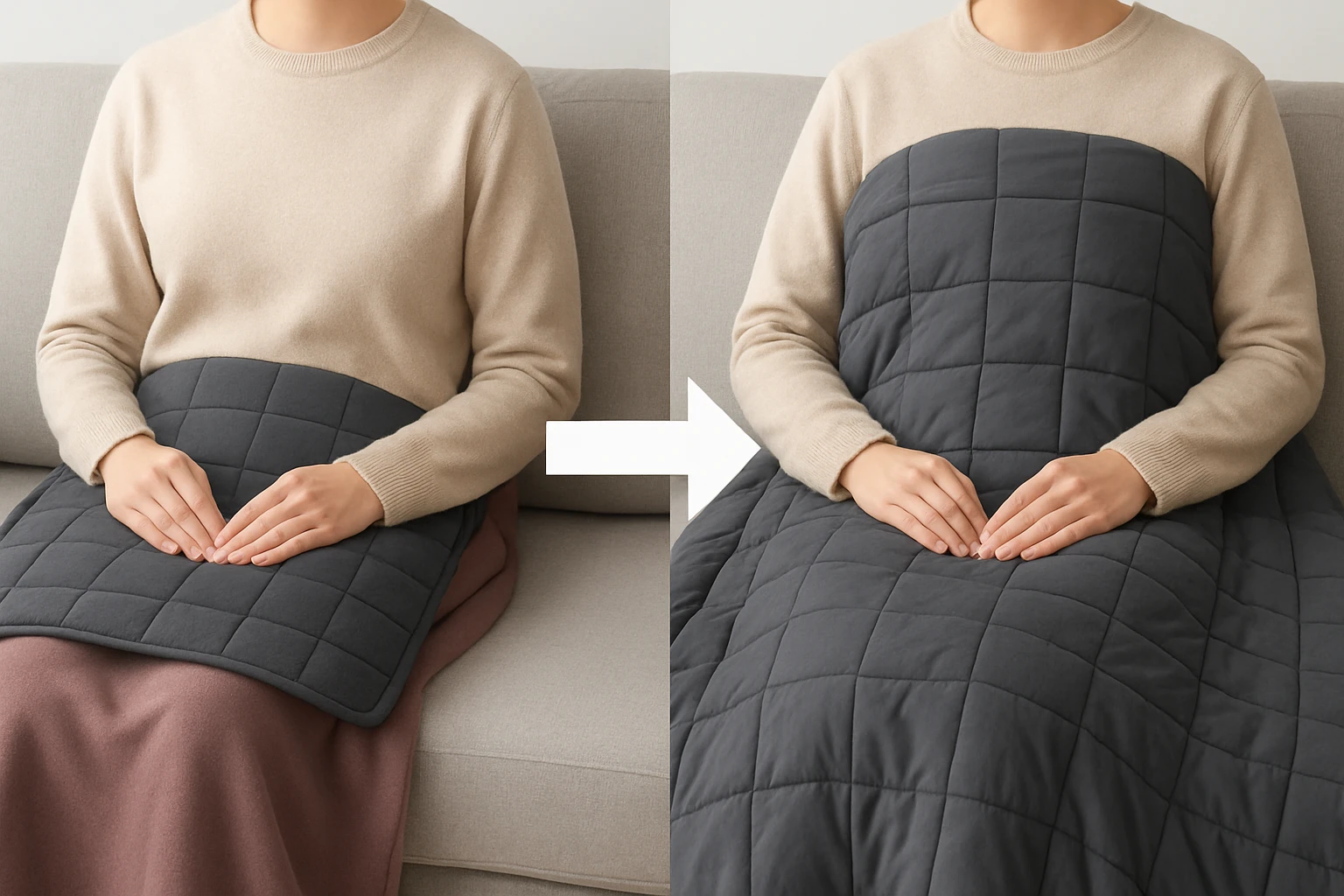
One often begins sensory regulation with a weighted lap pad before graduating to a full weighted blanket. This guide explains how to make that transition safely, ensuring comfort and effectiveness throughout the process. Readers will learn the essential criteria for selecting a suitable blanket, how to integrate it into daily routines, and which tools can streamline each phase. By following these steps, one can minimize overwhelm while maximizing the therapeutic benefits of deep‑pressure input.
What You’ll Need
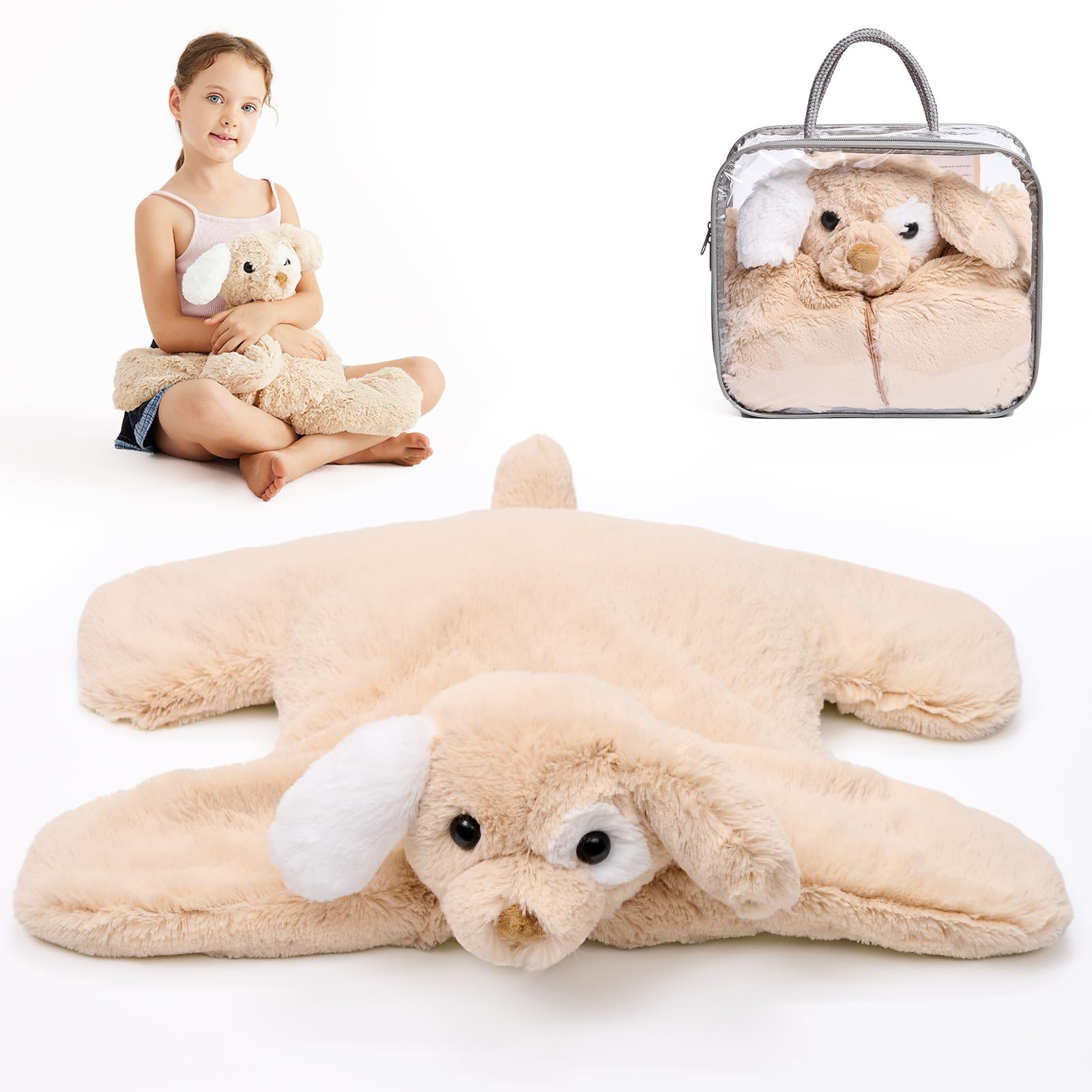
- L'AGRATY Weighted Lap Pad – $29.99, 4.5/5 rating (9,315 reviews)
- A full‑size weighted blanket that matches the user’s body weight (typically 10 % of total body weight)
- Measuring tape or a soft ruler
- Non‑slip mattress pad or fitted sheet
- Storage bag or breathable container for the blanket
Step 1: Assess Current Sensory Needs
Before introducing a larger tool, one should evaluate the effectiveness of the existing lap pad. Observe how long the user remains calm, whether the pressure feels soothing, and note any signs of overstimulation. Record these observations for at least three days to establish a reliable baseline. This data will guide the selection of a blanket with comparable pressure distribution.
Step 2: Choose the Correct Blanket Weight
The most critical safety factor is matching blanket weight to the user’s body weight, typically ten percent of total mass. For a child weighing 70 lb, a 7 lb blanket is appropriate; for an adult at 180 lb, a 18 lb blanket is recommended. Selecting a blanket that is too heavy can cause discomfort, breathing difficulty, or reduced mobility. The L'AGRATY Weighted Lap Pad serves as a reference point because its 5 lb weight demonstrates how evenly distributed glass beads feel on a smaller surface area.
Step 3: Verify Even Weight Distribution
Even distribution prevents pressure points and ensures a gentle, swaddling sensation. Examine the blanket’s stitching pattern; high‑quality blankets use quilted pockets similar to the lap pad’s design. The lap pad’s secure straps and evenly spaced beads illustrate the ideal construction method. When the blanket mirrors this approach, the user experiences consistent pressure across the torso, reducing the risk of localized soreness.
Step 4: Conduct a Controlled Trial
Begin with a short, supervised session lasting five to ten minutes. Place the blanket on a firm mattress and have the user lie down, ensuring the weight rests evenly across the chest and hips. Observe breathing, posture, and any verbal feedback regarding comfort. If the user appears restless or reports excessive heat, discontinue the trial and reassess blanket size or material. This controlled exposure mirrors the gradual acclimation process used with the lap pad.
Step 5: Integrate the Blanket into Daily Routines
Once the trial proves successful, incorporate the blanket into regular activities such as reading, studying, or bedtime. Consistency reinforces the calming association, much like the lap pad’s use during homework sessions. Encourage the user to keep a simple log noting duration and perceived calmness. Over time, the blanket can replace the lap pad for longer periods, providing full‑body coverage while maintaining the same therapeutic principles.
Step 6: Maintain Hygiene and Longevity
Both the lap pad and the blanket require regular cleaning to prevent skin irritation. The lap pad includes a removable, machine‑washable cover, and many blankets feature zippered, washable covers as well. Use a gentle cycle with cold water and air‑dry whenever possible to preserve the integrity of the glass beads. Storing the blanket in a breathable bag prevents moisture buildup, extending its lifespan.
Step 7: Adjust as Growth or Needs Change
Children grow quickly, and sensory requirements may evolve with age. Re‑measure body weight every six months and compare it to the blanket’s weight rating. If the user outgrows the current blanket, transition to a heavier model following the same steps outlined above. The lap pad remains a useful fallback tool for travel or situations where a full blanket is impractical.
Tips & Pro Tips
- Start with a blanket that is slightly lighter than the calculated 10 % weight if the user is sensitive to pressure.
- Pair the blanket with a breathable, moisture‑wicking sheet to prevent overheating during warm weather.
- Use the lap pad’s portable storage bag as a travel case for the blanket; the durable PVC material protects against tears.
- Combine deep‑pressure tools with calming activities such as guided breathing or soft music for enhanced effect.
Troubleshooting
| Problem | Possible Cause | Solution |
|---|---|---|
| Feeling too hot | Heavy fabric or lack of airflow | Switch to a breathable cotton blanket or use a fan during use. |
| Restlessness after 10 minutes | Weight is excessive | Reduce usage time gradually or select a lighter blanket. |
| Skin irritation | Allergic reaction to fabric | Wash the cover before first use and consider a hypoallergenic liner. |
Conclusion
Transitioning from a weighted lap pad to a full weighted blanket is a structured process that prioritizes safety, comfort, and sensory efficacy. By assessing needs, selecting appropriate weight, verifying even distribution, and conducting controlled trials, one can ensure a smooth progression. Ongoing maintenance and periodic reassessment keep the tool effective as the user grows. With these steps, one empowers individuals to enjoy the calming benefits of deep‑pressure stimulation throughout daily life.
Products Mentioned in This Guide
Frequently Asked Questions
How do I determine the correct weight for a full‑size weighted blanket?
Choose a blanket that is about 10 % of the user’s body weight, rounding to the nearest whole pound for comfort.
Can I use the same weighted lap pad while I transition to a full blanket?
Yes, start with the lap pad for short periods and gradually add the blanket as tolerance improves.
What safety precautions should I take when introducing a full weighted blanket?
Ensure the blanket fits the mattress securely with a non‑slip pad, monitor breathing and movement, and stop use if the person feels overly constrained.
How long should I use the weighted blanket each day during the transition?
Begin with 15‑20 minutes and increase by 5‑10 minutes daily, aiming for 1‑2 hours once the user feels comfortable.
How do I clean and store a weighted blanket to maintain its therapeutic properties?
Follow the manufacturer’s washing instructions, use a breathable storage bag, and keep the blanket flat to preserve even weight distribution.