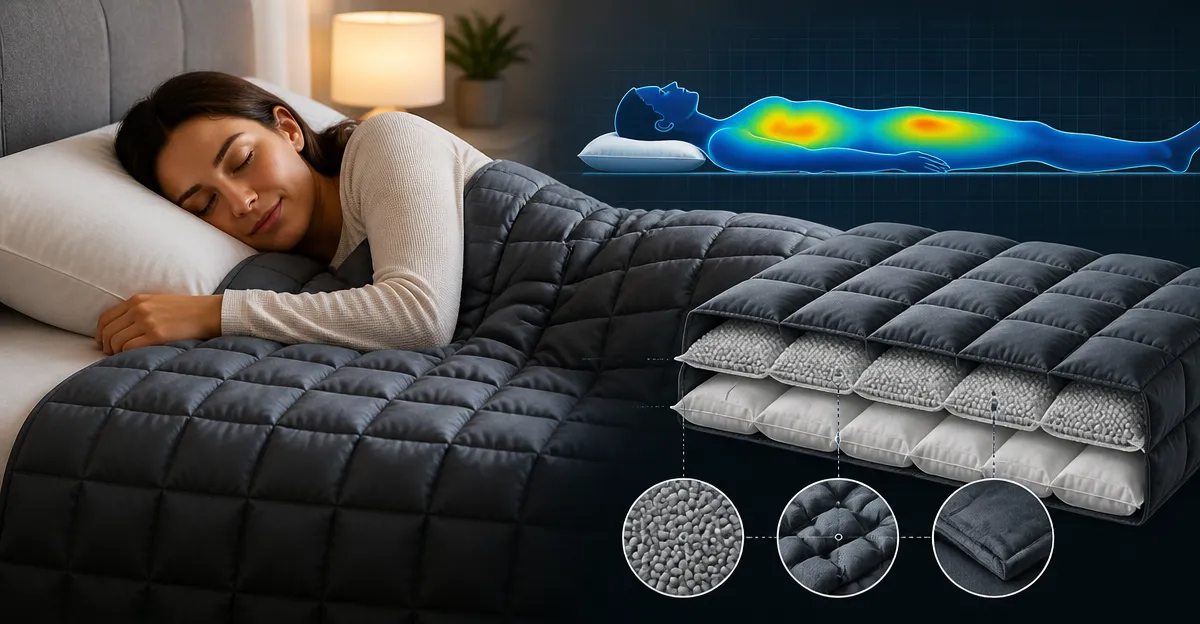
Weighted Blanket Design: Pressure Mapping & Fill Distribution
Introduction
This guide examines the principles of pressure mapping and fill distribution in weighted blankets, providing readers with a thorough understanding of how design choices influence therapeutic effectiveness. Readers will learn how material selection, stitching patterns, and bead placement interact to create a balanced deep‑pressure stimulus that promotes relaxation and sleep quality. The article also presents three carefully chosen products that illustrate distinct approaches to weight distribution, allowing readers to compare real‑world implementations. By the end of the guide, one will be equipped to select a blanket that aligns with personal comfort preferences and therapeutic goals.
Background and Context
Weighted blankets are therapeutic textiles designed to deliver deep‑pressure stimulation, a sensory input that has been shown to calm the nervous system. The concept originates from research on proprioceptive input, where gentle, evenly distributed force can reduce cortisol levels and increase serotonin production. Effective blankets typically weigh between 5 % and 10 % of the user’s body weight, a guideline supported by occupational therapists and sleep specialists. However, the distribution of that weight across the fabric surface determines whether the pressure feels soothing or oppressive.
Pressure Mapping Fundamentals
Pressure mapping refers to the systematic analysis of how force is applied across the surface of a blanket, often visualized through heat‑map graphics. The goal is to achieve uniform pressure that avoids high‑intensity hotspots, which can cause discomfort or restrict circulation. Designers employ grid‑based stitching, compartmentalized bead pockets, and layered fabrics to regulate the flow of force from the center to the edges. Consistent pressure encourages the release of neurotransmitters associated with calm, thereby enhancing the therapeutic value of the blanket.
- Uniformity: Aim for less than 10 % variance in pressure between adjacent zones.
- Edge Control: Prevent weight loss at the perimeter by using a snug mattress fit or reinforced borders.
- Material Flexibility: Choose fabrics that can conform to body contours while maintaining bead position.
Fill Distribution Strategies
Fill distribution is the method by which weighted elements such as glass beads, ceramic pellets, or woven cotton fibers are arranged within the blanket. Traditional designs rely on randomly poured beads, which can shift over time and create uneven pressure zones. Modern approaches use pre‑segmented compartments, often sized 5 × 5 cm, to lock each bead or pellet in place, thereby preserving the intended pressure map throughout the product’s lifespan. The choice of fill also influences breathability, temperature regulation, and washing convenience.
- Compartmentalized Design: Small pockets reduce bead migration and support consistent pressure.
- Layered Construction: Combining a dense inner layer with a softer outer layer smooths pressure gradients.
- Hybrid Fill: Mixing beads with natural fibers can improve airflow while retaining weight.
Material Choices and Comfort
Fabric selection impacts both the tactile experience and the functional performance of a weighted blanket. Natural fibers such as cotton, bamboo, and wool provide superior breathability and moisture wicking, which are essential for users who tend to overheat. Synthetic blends, including polyester fleece and microfiber, offer durability and ease of care but may trap heat if not engineered with ventilation channels. The outer shell should be soft enough to encourage prolonged use, while the inner lining must be robust enough to contain the fill without tearing.
Temperature regulation is especially important for heavier blankets, as the added mass can increase perceived warmth. Some manufacturers incorporate cooling gel fibers or moisture‑wicking finishes to mitigate this effect, creating a balanced microclimate that supports uninterrupted sleep.
Product Recommendations
The following products exemplify distinct design philosophies in pressure mapping and fill distribution.
yescool 20 lb Cooling Weighted Blanket
The yescool 20 lb Cooling Weighted Blanket utilizes 5 × 5 cm compartments stitched with 15,000 high‑density stitches, ensuring that glass beads remain securely positioned. At a size of 60 × 80 in, it fits a standard queen mattress without overhang, concentrating the full 20 lb weight across the user’s torso. The blanket is machine‑washable in cold water, a claim supported by fifty independent wash tests, and features a breathable, cooling fabric that reduces heat buildup. With a rating of 4.5 out of 5 from 11,190 reviews and a price of $41.98, it offers an affordable entry point for individuals seeking a high‑weight, cooling solution.
Preston Lane 15 lb Cotton Weighted Throw
The Preston Lane 15 lb Cotton Weighted Throw distinguishes itself by employing pure fabric weight without glass beads, using a dense European cotton knit that provides 15 lb of pressure. This construction eliminates noise and bead migration, delivering a silent, consistent pressure experience ideal for office or sofa use. The throw measures 86 × 47 in, making it versatile for both seated and lying positions, and it is crafted in Portugal with a drawstring pouch for easy storage. Priced at $220.18 and rated 4.4 out of 5 from 39 reviews, it represents a premium, chemical‑free option for users who prioritize natural materials.
Wemore 15 lb Sherpa Fleece Weighted Blanket
The Wemore 15 lb Sherpa Fleece Weighted Blanket combines a dual‑sided design with a 220 GSM fleece face and a matching Sherpa reverse, offering a plush texture on both sides. Its internal architecture features a seven‑layer system that encloses ceramic beads within double‑layer polyester, reducing noise and preventing bead shift. The blanket’s dimensions of 48 × 72 in suit a range of bed sizes, and the material composition promotes warmth while remaining machine‑washable under commercial conditions. With a rating of 4.7 out of 5 from 6,241 reviews and a price of $45.54, it delivers a cozy, budget‑friendly alternative for users who value softness and quiet operation.
Comparison and Selection Guide
Selecting the optimal weighted blanket requires an assessment of weight, size, fill type, fabric, and maintenance preferences. The table below summarizes key attributes of the three featured products, allowing readers to match features with personal criteria.
| Feature | yescool 20 lb Cooling | Preston Lane 15 lb Cotton Throw | Wemore 15 lb Sherpa Fleece |
|---|---|---|---|
| Weight | 20 lb (7‑10 % body weight for 190‑210 lb users) | 15 lb (pure fabric weight) | 15 lb (ceramic beads) |
| Size | 60 × 80 in (queen) | 86 × 47 in (throw) | 48 × 72 in (twin‑full) |
| Fill Type | Glass beads in 5 × 5 cm compartments | Knitted cotton weight, no beads | Ceramic beads in double‑layer polyester |
| Fabric | Cooling breathable blend | 100 % European cotton | Sherpa fleece & fleece |
| Care | Machine‑washable cold, air dry | Machine wash cold, tumble low | Commercial machine wash, tumble low |
| Price | $41.98 | $220.18 | $45.54 |
| Rating | 4.5/5 (11,190 reviews) | 4.4/5 (39 reviews) | 4.7/5 (6,241 reviews) |
Individuals weighing over 200 lb may benefit from the higher load of the yescool blanket, while users with sensitivity to glass beads might prefer the bead‑free cotton throw. Those who prioritize a soft, plush feel and low noise will find the Wemore Sherpa fleece blanket an attractive compromise between weight and comfort.
Best Practices & Tips
- Determine the appropriate weight by multiplying body mass by 0.07 to 0.10; begin with the lower end if new to weighted therapy.
- Choose a size that fully covers the torso without excessive overhang, as excess fabric dilutes pressure intensity.
- Inspect stitching density; a higher stitch count correlates with reduced bead migration and longer product lifespan.
- Maintain breathability by selecting fabrics with moisture‑wicking properties or integrated cooling technologies.
- Follow manufacturer washing instructions to preserve fill integrity; avoid high‑temperature drying cycles that may degrade bead coatings.
Frequently Asked Questions
- What is the ideal weight range for a weighted blanket?
- The recommended range is 7 % to 10 % of the user’s body weight; for example, a 150‑lb adult would select a blanket weighing between 10.5 lb and 15 lb.
- Do glass beads cause noise when moving?
- High‑density stitching and compartmentalized pockets, as found in the yescool blanket, significantly reduce bead movement and associated rustling.
- Can a weighted blanket be used on a sofa?
- Yes, a throw‑style blanket such as the Preston Lane product provides sufficient weight for seated positions while maintaining a manageable size.
- How often should a weighted blanket be washed?
- Most manufacturers recommend machine washing on a gentle cycle every one to two months, provided the care instructions are followed.
- Is a higher weight always better for anxiety relief?
- Not necessarily; excessive weight can cause discomfort and impede circulation, reducing the therapeutic benefit.
Conclusion
This guide has outlined the scientific foundations of pressure mapping and fill distribution, emphasizing how these variables shape the comfort and efficacy of weighted blankets. By understanding the interplay of weight, fabric, stitching, and fill type, one can make an informed decision that aligns with personal health objectives and lifestyle constraints. The three featured products demonstrate that high‑quality design is achievable across a range of price points and material preferences. Armed with the comparison matrix and best‑practice checklist, readers are prepared to select a blanket that delivers consistent deep‑pressure stimulation and lasting comfort.
Products Featured in This Guide
yescool 20 lb Cooling Weighted Blanket
Price: $41.98 | Rating: 4.5/5 (11,190 reviews)
Featured for its compartmentalized glass‑bead design, cooling fabric, and affordable price point, illustrating effective pressure mapping in a queen‑size blanket.
Preston Lane 15 lb Cotton Weighted Throw
Price: $220.18 | Rating: 4.4/5 (39 reviews)
Featured for its bead‑free pure‑fabric weight, premium European cotton, and artisanal construction, demonstrating an alternative fill strategy.
Wemore 15 lb Sherpa Fleece Weighted Blanket
Price: $45.54 | Rating: 4.7/5 (6,241 reviews)
Featured for its dual‑sided Sherpa/fleece construction, ceramic‑bead core, and budget‑friendly price, highlighting a plush yet quiet design.