The Ultimate Guide to Creating a Sensory‑Friendly Bedroom with Weighted Accessories
Introduction
Designing a bedroom that supports sensory health requires intentional choices about texture, pressure, and visual calm. This guide explains how weighted accessories can transform a personal space into a soothing retreat. Readers will learn foundational concepts, practical strategies, and product recommendations that enhance relaxation and focus. By the end, one will be equipped to create an environment that nurtures both body and mind.
Background and Context
Weighted items generate deep‑touch pressure, a gentle force that mimics the sensation of a comforting hug. Scientific studies indicate that this pressure can lower cortisol levels, increase serotonin, and improve sleep quality. Sensory‑friendly design also considers lighting, color palettes, and acoustic treatment to reduce overstimulation. Understanding these principles enables one to select accessories that work synergistically rather than in isolation.
Key Concepts for a Sensory‑Friendly Bedroom
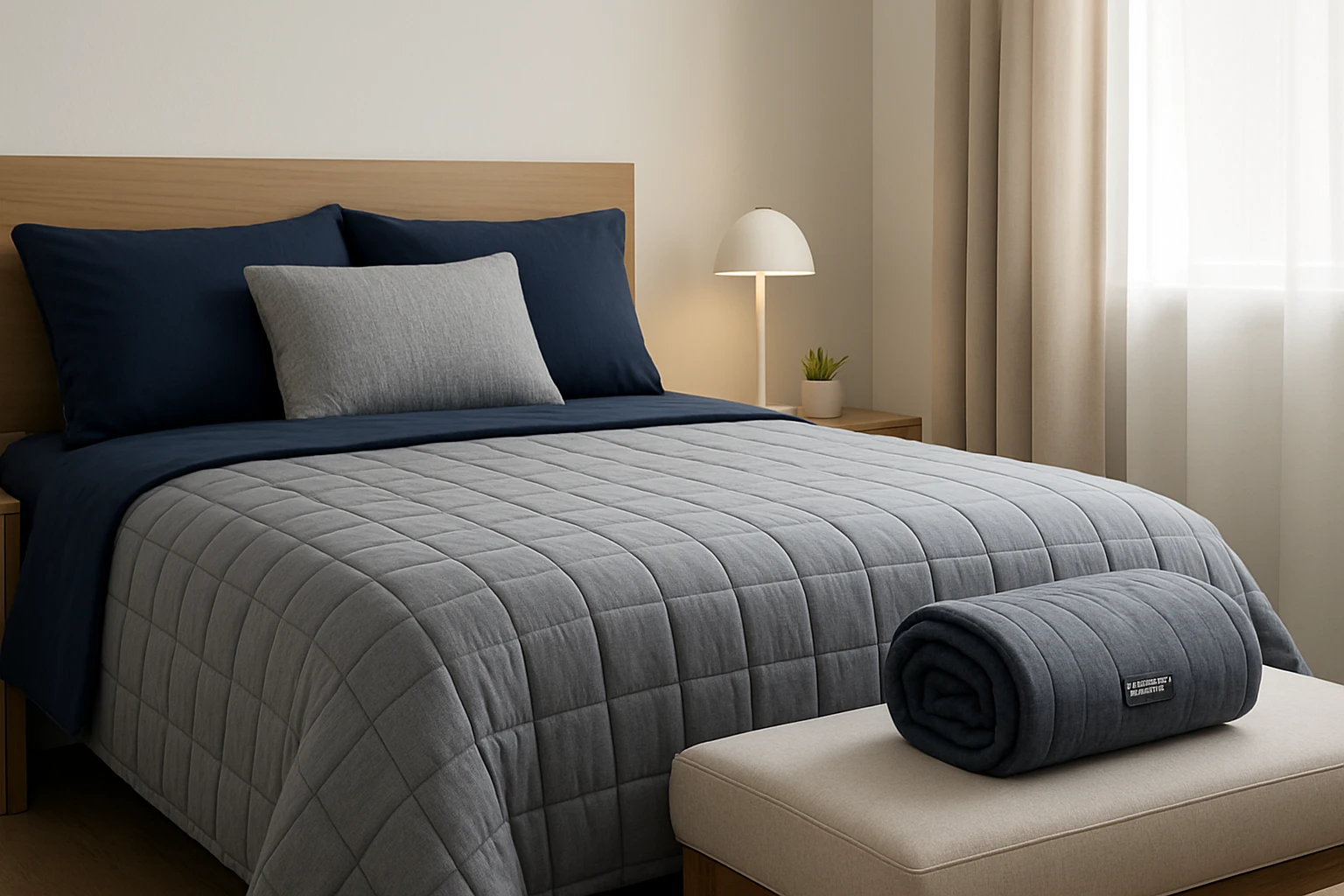
First, prioritize a neutral color scheme that reduces visual clutter and promotes tranquility. Soft, matte finishes on walls and furniture prevent harsh reflections that may trigger sensory overload. Second, incorporate layered textures that invite tactile exploration without overwhelming the skin. Materials such as plush velvet, brushed cotton, and smooth bamboo provide a balanced sensory palette.
Third, manage ambient sound by using white‑noise machines, thick curtains, or acoustic panels. Fourth, regulate temperature and airflow to maintain a consistent, comfortable climate. Finally, integrate weighted accessories that deliver consistent deep‑touch pressure to the body during rest or study.
Weighted Accessories for Different Scenarios
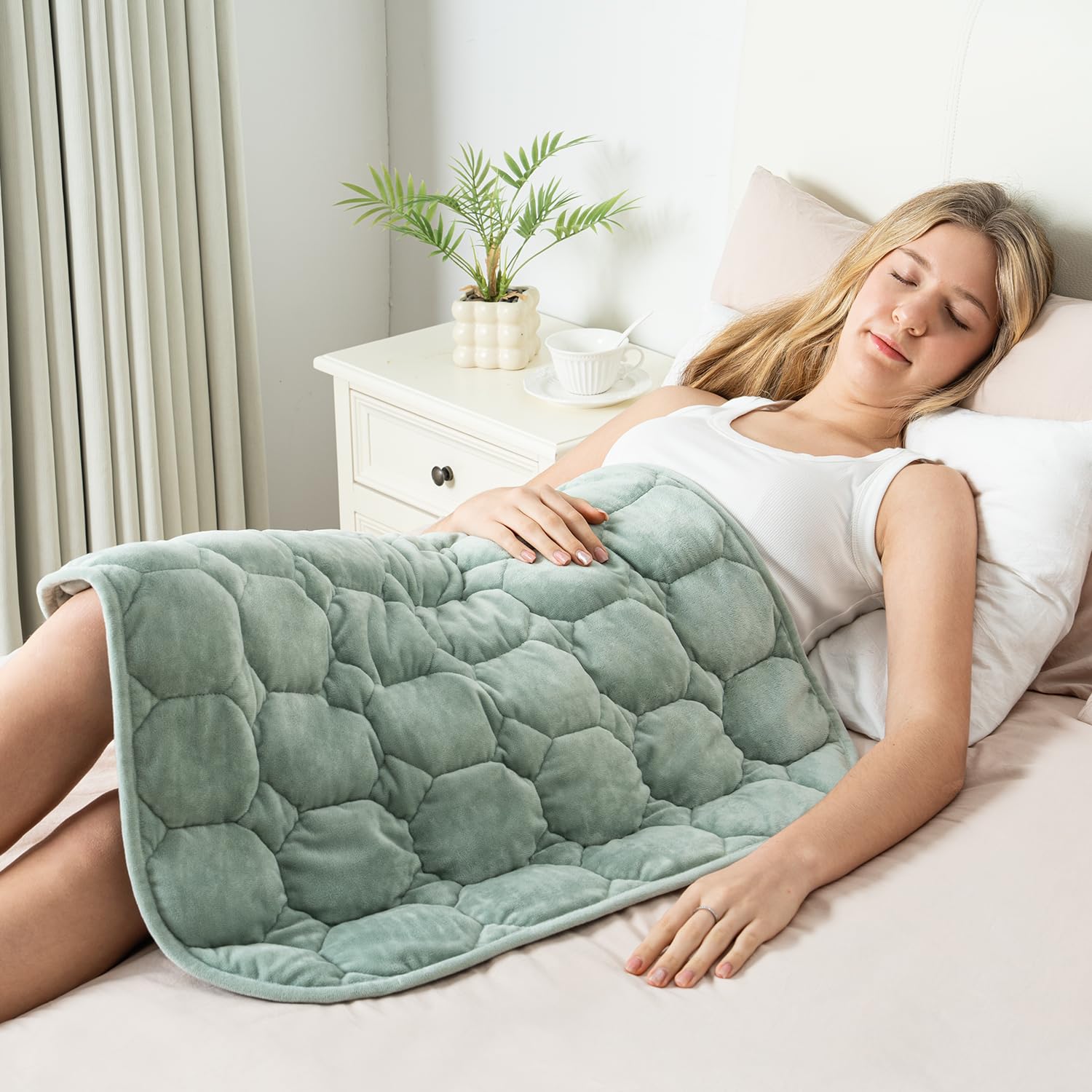
Weighted blankets are the cornerstone of sensory‑friendly design, yet their size and weight must align with the user’s body mass and intended use. For individuals who travel frequently, a compact lap blanket offers the same therapeutic benefits without the bulk of a full‑size blanket. The Wemore Weighted Lap Blanket exemplifies this approach, providing 7 pounds of evenly distributed glass‑bead pressure in a portable 24 × 29‑inch format.
In a home setting, a larger weighted throw can be draped over a reading chair to promote calm during evening literature sessions. For children, a smaller weighted pillow can be placed under the head to encourage restful sleep without excessive confinement. Each accessory should be chosen based on the user’s weight, activity, and personal preference.
Product Recommendations and Integration
The Wemore Weighted Lap Blanket offers a double‑sided plush crystal‑velvet cover that feels soft against the skin. Its interior contains non‑toxic, odorless glass beads that are evenly distributed across seven layers, delivering a consistent deep‑touch sensation. The blanket weighs 7 pounds, a weight that research suggests is appropriate for individuals weighing between 100 and 180 pounds when used on the lap or shoulders.
Key specifications include machine‑washable construction, a compact size suitable for backpacks, and a rating of 4.7 out of 5 stars from 374 verified reviews. Users frequently cite its ability to improve concentration during study sessions and to reduce anxiety while traveling. The product’s price of $36.09 positions it as an affordable entry point for those exploring weighted therapy.
Comparison and Selection Guide
When selecting a weighted accessory, consider the following criteria: weight relative to body mass, size and portability, fabric comfort, and care instructions. For a bedroom that serves both sleep and work functions, a dual‑purpose item such as a lap blanket can be employed during the day for focus and at night for relaxation.
Compare the Wemore Lap Blanket with traditional full‑size weighted blankets:
- Weight Range: Full blankets often start at 10 pounds, while the lap blanket provides 7 pounds, suitable for targeted pressure.
- Portability: The lap blanket folds easily into a suitcase, whereas full blankets require dedicated storage space.
- Cost: At $36.09, the lap blanket is significantly less expensive than most full‑size options, which can exceed $100.
- Care: Both are machine washable, but the lap blanket’s smaller dimensions reduce drying time.
Choosing the right product depends on the user’s primary goals. If the objective is to improve focus while studying, a portable lap blanket is ideal. If the primary aim is deep, full‑body relaxation during sleep, a larger blanket may be preferable.
Best Practices & Tips
Begin by testing the weight with a short trial period of 15‑20 minutes to assess comfort and effectiveness. Gradually increase usage time as the body adapts to the deep‑touch pressure. Pair weighted accessories with a dim lighting scheme, such as warm LED bulbs, to enhance the calming atmosphere.
Maintain a clutter‑free layout by storing accessories in designated baskets or drawers when not in use. Rotate the blanket’s orientation weekly to prevent uneven wear on the glass beads. Finally, combine weighted accessories with mindfulness practices, such as deep breathing, to maximize therapeutic outcomes.
Frequently Asked Questions
- What weight is appropriate for a weighted lap blanket? For most adults, a weight representing 5‑10 percent of body mass is recommended; the 7‑pound Wemore Lap Blanket suits individuals weighing 140‑180 pounds.
- Can the blanket be used on children? Yes, provided the child’s weight falls within the recommended range and parental supervision is present.
- How often should the blanket be washed? Machine wash the blanket in cold water and tumble dry on low heat after every three to five uses to maintain hygiene.
- Will the glass beads shift over time? The seven‑layer construction secures the beads, preventing noticeable migration even after prolonged use.
- Is the blanket suitable for people with sensory processing disorders? The deep‑touch pressure can help calm hyper‑responsive nervous systems, making it a valuable tool for many with sensory challenges.
- Can the blanket be used on a mattress? While primarily designed for lap use, it can be placed on a mattress for short periods of relaxation.
- Does the blanket have any allergens? The materials are non‑toxic and odorless, and the cover is hypoallergenic, reducing the risk of allergic reactions.
Conclusion
Creating a sensory‑friendly bedroom involves thoughtful integration of color, texture, sound, and weighted pressure. Weighted accessories such as the Wemore Weighted Lap Blanket provide a portable, affordable means of delivering therapeutic deep‑touch pressure. By applying the strategies outlined in this guide, one can cultivate a space that supports calm, focus, and restorative sleep.
Products Featured in This Guide
Wemore Weighted Lap Blanket
Price: $36.09
Rating: 4.7/5.0 (374 reviews)
This compact lap blanket delivers 7 pounds of evenly distributed glass‑bead pressure, features a plush crystal‑velvet cover, and is machine washable, making it ideal for travel and focused work sessions.