Introduction
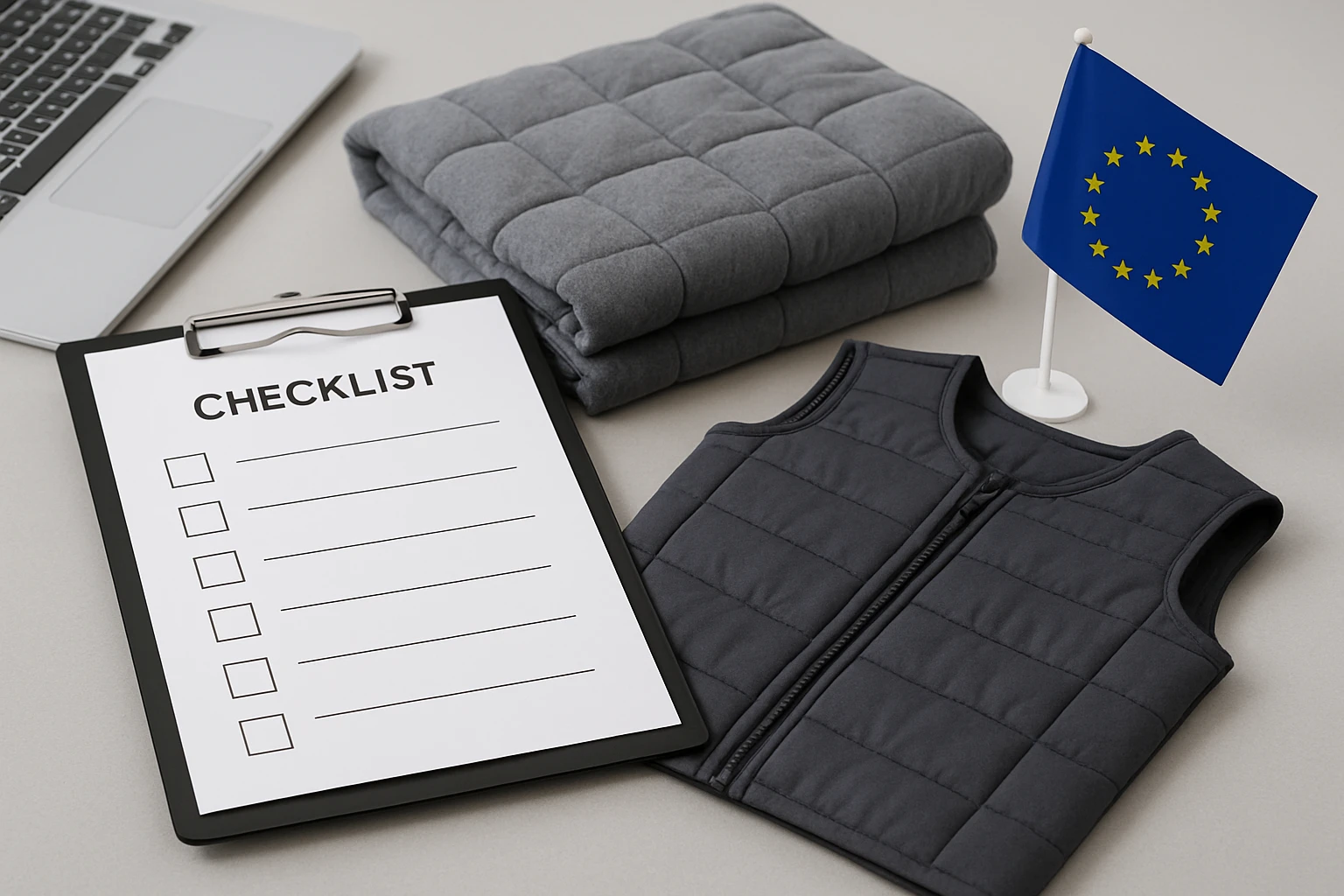
The market for therapeutic weighted products has expanded rapidly as consumers seek evidence‑based solutions for stress reduction, improved sleep, and sensory regulation. This guide provides a complete regulatory checklist for selling weighted blankets and compression vests in the United States and the European Union. Readers will learn how to navigate safety standards, labeling obligations, import requirements, and post‑market surveillance while integrating product recommendations that illustrate best‑practice compliance.
One will also discover how to evaluate product features, compare alternatives, and apply actionable tips that reduce risk and enhance consumer confidence. The information is intended for manufacturers, distributors, and e‑commerce sellers who wish to enter or expand within these regulated markets.
Background/Context
Weighted therapeutic products belong to a category of items that exert deep‑pressure stimulation (DPS). DPS has been shown to activate the parasympathetic nervous system, thereby lowering cortisol levels and promoting the release of serotonin and melatonin. Because these products influence physiological responses, many jurisdictions treat them as medical‑type devices or regulated consumer goods.
In the United States, the Food and Drug Administration (FDA) classifies weighted blankets as Class I medical devices when marketed for therapeutic purposes, subject to General Controls. In the European Union, the Medical Devices Regulation (MDR) 2017/745 may apply if the manufacturer makes health‑related claims; otherwise, the General Product Safety Directive (GPSD) governs consumer‑grade items.
Understanding the distinction between a therapeutic claim and a general comfort claim is essential, as it determines the depth of documentation, testing, and labeling required.
Regulatory Landscape in the United States
When a weighted blanket or vest is promoted for anxiety relief, insomnia, or sensory integration, the FDA considers it a medical device. The following checklist outlines the steps necessary for compliance.
- Device Classification: Verify that the product falls under Class I. Most weighted blankets qualify, but any claim of treating a specific medical condition may trigger a higher classification.
- Establishment Registration and Device Listing (ESTA): The manufacturer or the U.S. importer must register with the FDA and list each device model, providing the product’s intended use and a unique identifier.
- Good Manufacturing Practice (GMP): Adhere to the Quality System Regulation (QSR) 21 CFR Part 820, which mandates design controls, process validation, and record‑keeping.
- Labeling Requirements: Include the product name, intended use statement, manufacturer information, and any required warnings. The label must not be misleading and must be in English.
- Premarket Notification (510(k)): Generally not required for Class I devices, but a self‑declaration of conformity may be needed if the product incorporates novel materials.
- Post‑Market Surveillance: Implement a system for tracking adverse events, consumer complaints, and field corrections.
Compliance with these steps enables lawful distribution through Amazon, specialty retailers, and direct‑to‑consumer channels.
Regulatory Landscape in the European Union
The EU approach differentiates between products that make medical claims and those that are purely comfort items. The following checklist applies to both scenarios.
- Determine the Applicable Regulation: If the product is marketed for therapeutic benefit, the MDR applies; otherwise, the GPSD governs safety.
- Conformity Assessment: For MDR‑covered items, a Notified Body must issue a CE marking after reviewing a Technical File that includes risk analysis, clinical evaluation, and performance testing.
- Technical Documentation: Compile a dossier containing product specifications, material safety data sheets (MSDS), test reports for fire resistance, and user instructions in the official language(s) of each target market.
- Labeling and Instructions for Use (IFU): Provide the CE mark, manufacturer details, intended use, and any contraindications. The label must be legible, indelible, and placed on the product or its packaging.
- Market Surveillance: Establish a post‑market vigilance system to report serious incidents to the European Commission via the Eudamed database.
- Import Documentation: Non‑EU manufacturers must appoint an Authorized Representative who holds a copy of the Technical File and can communicate with national authorities.
Adhering to these requirements ensures that the product can be legally sold across the EU member states without interruption.
Product Recommendations Integrated with Compliance
Illustrative examples help sellers understand how compliance intersects with product features. The following two items demonstrate best‑in‑class design, safety, and documentation practices.
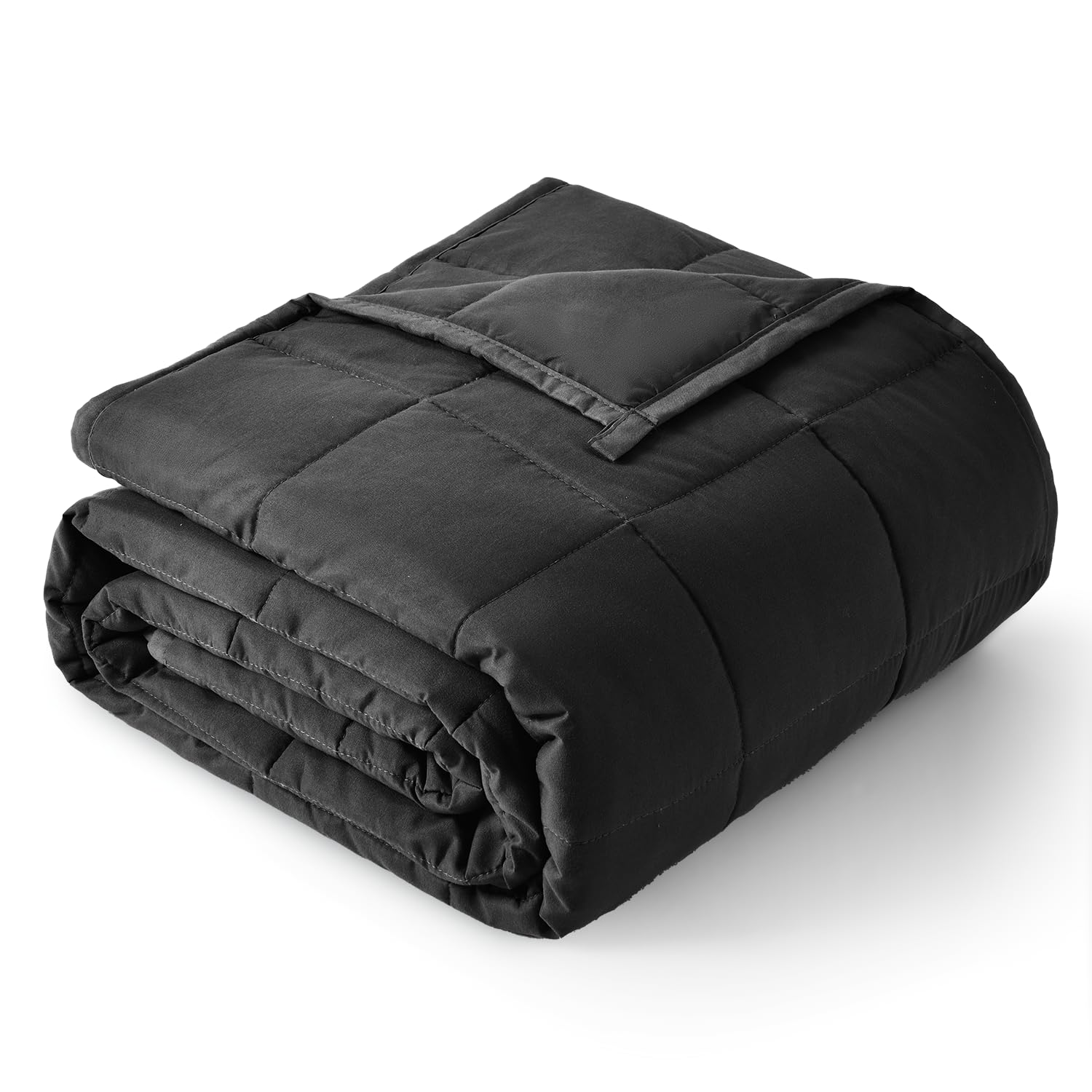
The first example is the Topblan Weighted Blanket. It weighs 12 lb, measures 48" × 72" (twin size), and utilizes micro glass beads encased in breathable fabric. The blanket holds a 4.7‑star rating from 1,297 reviews and is priced at $33.23. Its Soft Balance7X technology provides year‑round comfort, while robust stitching ensures even weight distribution, a critical factor for meeting both FDA and MDR risk‑assessment criteria. The product’s label clearly states the recommended weight range (8‑12 % of body weight) and includes care instructions, satisfying US labeling and EU CE‑marking documentation.
The second example is the TED KANGAROO Kids Weighted Vest. Designed for children, the vest offers adjustable compression, breathable polyester mesh, and a secure Velcro closure system. It carries a 4.5‑star rating from 245 reviews. Because the vest is marketed for sensory integration rather than a specific medical condition, it can be classified under the GPSD in the EU and as a Class I device in the US, provided that the labeling avoids therapeutic claims. The product’s packaging includes a clear age recommendation and a warning to discontinue use if discomfort occurs, aligning with both FDA and EU safety guidelines.
Comparison/Selection Guide
Choosing the appropriate weighted product depends on user demographics, intended use, and regulatory constraints. The table below contrasts key attributes of the two featured items.
| Attribute | Topblan Weighted Blanket | TED KANGAROO Kids Weighted Vest |
|---|---|---|
| Target Audience | Adults seeking sleep improvement | Children requiring sensory support |
| Weight Options | 12 lb (twin) – 8‑12 % of body weight | Adjustable compression via removable beads |
| Material | Breathable Soft Balance7X fabric, micro glass beads | Soft polyester mesh, Velcro fasteners |
| Care Instructions | Machine washable, tumble dry low | Spot clean recommended, removable inserts |
| Regulatory Fit | Meets FDA Class I device criteria; CE‑ready with documented risk analysis | Complies with GPSD; can obtain CE marking if clinical data are provided |
| Price | $33.23 | Price not disclosed; typical market range $30‑$45 |
| Customer Rating | 4.7/5 (1,297 reviews) | 4.5/5 (245 reviews) |
When the primary goal is sleep enhancement for adults, the Topblan blanket offers a larger surface area, consistent pressure distribution, and a proven track record of positive reviews. For pediatric sensory integration, the TED KANGAROO vest provides adjustable compression, mobility, and a design that aligns with school‑environment safety standards.
Best Practices & Tips for Market Entry
- Conduct a Thorough Claim Analysis: Review every marketing statement to determine whether it triggers medical‑device classification. Replace therapeutic language with comfort‑oriented phrasing when possible.
- Develop a Comprehensive Technical File: Include material safety data sheets, fire‑resistance test results, and ergonomics studies. This file serves as the backbone for FDA submissions and CE‑marking dossiers.
- Implement Robust Quality Control: Perform batch‑level weight verification to ensure each unit falls within the specified tolerance (±5 %). Record the results in a traceable database.
- Label in Multiple Languages: For EU distribution, provide instructions in the official language(s) of each target country. Use clear icons to convey warnings and care instructions.
- Leverage Third‑Party Certification: Obtain certifications such as OEKO‑Tex Standard 100 for textile safety or ISO 9001 for quality management. These marks increase consumer trust and facilitate customs clearance.
- Plan Post‑Market Surveillance Early: Set up an online portal for customers to report adverse events. Analyze trends quarterly and submit required reports to the FDA or Eudamed within stipulated timeframes.
- Optimize Amazon Listings for Compliance: Ensure that the product title, bullet points, and description do not contain unsubstantiated health claims. Use the friendly product names and the affiliate links provided.
Frequently Asked Questions
1. Does a weighted blanket automatically require FDA clearance?
If the blanket is marketed solely for comfort, it is considered a low‑risk consumer product and does not require FDA clearance. However, any claim of treating anxiety, insomnia, or a medical condition classifies it as a Class I medical device, necessitating registration and compliance with the QSR.
2. What is the difference between the MDR and the GPSD in the EU?
The MDR applies when a product makes a medical or therapeutic claim, imposing a CE marking process that includes clinical evaluation. The GPSD governs general consumer goods, requiring only that the product be safe and accompanied by appropriate warnings.
3. How can I verify that my weighted product meets fire‑safety standards?
Conduct testing according to NFPA 701 for the United States and EN 13501‑1 for the European Union. Document the results and retain certificates for customs and retailer audits.
4. Are there specific labeling requirements for children’s weighted vests?
Yes. Labels must include age recommendations, maximum weight limits, and a clear statement to discontinue use if the child experiences discomfort. In the EU, the label must also display the CE mark and the name of the Authorized Representative.
5. Can I sell the same product on Amazon US and Amazon EU without separate certifications?
If the product is classified under the GPSD only, a single CE marking is sufficient for all EU member states. For the United States, a separate FDA registration is required. Both marketplaces demand that the listing comply with their respective advertising policies.
6. What documentation is needed for customs clearance?
A commercial invoice, packing list, CE Declaration of Conformity (for EU), FDA Establishment Registration number (for US), and any applicable test certificates must accompany the shipment.
7. How often must I renew my CE marking?
The CE marking does not have an expiration date, but the technical documentation must be kept up to date. If product specifications change or new safety standards are introduced, a re‑assessment may be required.
Conclusion
Successful commercialization of therapeutic weighted products hinges on a clear understanding of regulatory pathways in both the United States and the European Union. By following the checklists presented, maintaining rigorous documentation, and selecting compliant products such as the Topblan Weighted Blanket and the TED KANGAROO Kids Weighted Vest, one can mitigate legal risk while meeting consumer demand for high‑quality sensory solutions.
Adhering to best practices—accurate claim language, robust quality control, multilingual labeling, and proactive post‑market surveillance—creates a sustainable market presence. Ultimately, compliance is not merely a legal hurdle; it is a strategic advantage that builds brand credibility and fosters long‑term customer loyalty.
Products Featured in This Guide
Topblan Weighted Blanket
Price: $33.23
Rating: 4.7/5 (1,297 reviews)
Featured because it exemplifies compliance‑ready design, includes breathable fabric, even weight distribution, and clear usage instructions that satisfy both FDA and CE‑marking requirements.
TED KANGAROO Kids Weighted Vest
Price: Not disclosed (typical market range $30‑$45)
Rating: 4.5/5 (245 reviews)
Featured because it provides adjustable compression for children, meets GPSD safety standards, and illustrates how to market a sensory product without invoking medical‑device classification.
