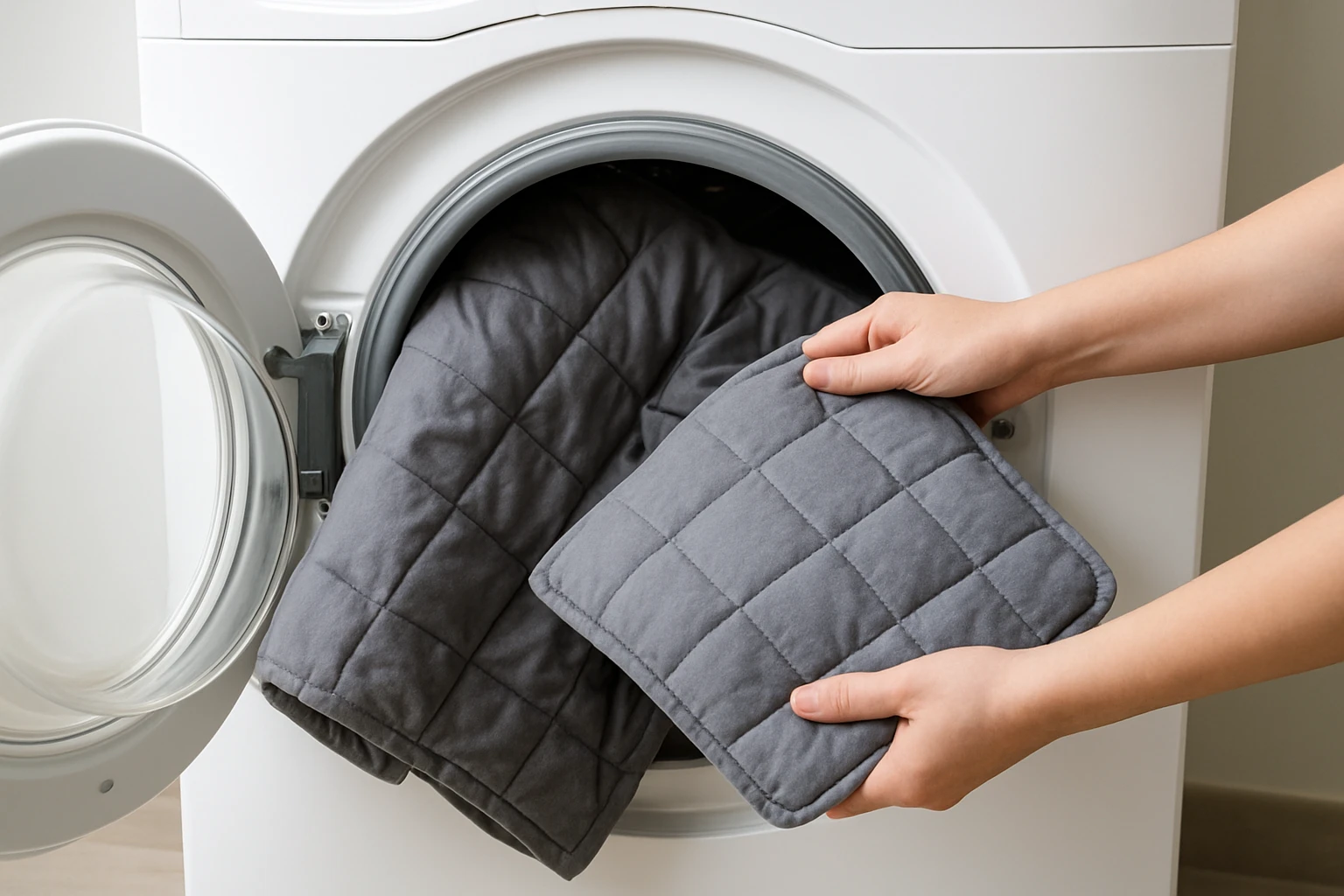
How to Wash Weighted Blankets and Lap Pads: Step-by-Step, Safe Cleaning for All Fillings
Introduction
The reader will learn a systematic approach to cleaning weighted blankets and lap pads while maintaining the integrity of their glass‑bead or polyester fillings. Proper cleaning prevents odor buildup, extends product life, and ensures that therapeutic benefits remain effective. This guide addresses common concerns such as color bleeding, bead leakage, and fabric shrinkage. By following the procedures, one can protect a valuable investment and enjoy consistent comfort.
What You'll Need
- Gentle liquid detergent suitable for delicate fabrics
- Mesh laundry bag (large enough for a queen‑size blanket)
- Low‑heat dryer or drying rack
- Vacuum cleaner with upholstery attachment (optional for pre‑cleaning)
- White vinegar (for odor control)
For specific product assistance, the guide references two highly rated items that can serve as practical examples. The first mention of each product is linked to its Amazon listing.
Step 1: Inspect the Care Label and Identify the Filling
The initial action is to locate the manufacturer's care label, which provides temperature limits and washing instructions. Weighted blankets typically contain glass beads, while lap pads may use polyester padding or a combination of both. Understanding the filling type determines whether a machine wash is safe or a hand wash is required. If the label advises machine washing, proceed to the next step; otherwise, prepare a bathtub filled with cold water and a mild detergent.
Step 2: Pre‑Treat Stains and Spot‑Clean
Apply a small amount of gentle detergent directly to any visible stains and gently rub with a soft cloth. Allow the solution to sit for five minutes before rinsing with cool water. For oily spots, a mixture of one part white vinegar to two parts water can break down residue without damaging the fabric. Avoid aggressive scrubbing, which may dislodge beads or weaken stitching.
Step 3: Choose an Appropriate Washing Machine Cycle
Select a front‑loading or top‑loading machine with a gentle or delicate cycle, using cold or warm water no higher than 30 °C. Set the spin speed to a low setting to reduce stress on the seams. Place the yescool Weighted Blanket inside a mesh laundry bag to contain any potential bead migration. The yescool blanket features tightly stitched 5"×5" compartments and a machine‑washable design, making it ideal for this step.
Key product details: price $43.99, rating 4.5/5 from 9,841 reviews, breathable black fabric, 20 lb weight suitable for users 190‑210 lb. The high‑density stitching prevents bead leakage, which is a common concern during laundering.
Step 4: Wash the Lap Pad Separately
For the Sivio Weighted Lap Pad, use the same gentle cycle but place the item alone to avoid friction with larger blankets. The lap pad is constructed from 100% breathable natural cotton and contains hypo‑allergenic, odorless glass beads, allowing it to withstand machine washing. Ensure the lap pad is positioned flat inside the drum to maintain even bead distribution.
Key product details: price $20.04, rating 4.7/5 from 4,487 reviews, includes multiple size options, and is designed for children over three years old weighing at least 30 lb. The cotton cover provides a cooler feel compared with synthetic alternatives.
Step 5: Add a Fabric Softener Alternative
To preserve the softness of the fabric without leaving residues that could affect bead movement, add half a cup of white vinegar to the rinse cycle. Vinegar neutralizes detergent buildup and reduces static, which is beneficial for both the weighted blanket and lap pad. Do not use commercial fabric softeners, as they may coat the beads and alter the intended weight distribution.
Step 6: Dry the Items Properly
After the wash cycle completes, remove the blanket and lap pad from the mesh bag promptly to prevent wrinkles. Air drying on a flat surface is the safest method; however, a low‑heat tumble dryer set to “air fluff” can be used for the yescool Weighted Blanket if time constraints exist. The blanket’s breathable fabric dries quickly, but excessive heat may cause shrinkage or weaken the stitching.
For the Sivio Lap Pad, lay it flat on a drying rack away from direct sunlight to avoid fading of the pink unicorn pattern. Ensure the beads are evenly spread before folding the item for storage.
Step 7: Re‑Fluff and Inspect
Once dry, gently shake the blanket and lap pad to redistribute the beads evenly throughout the compartments. Inspect the seams for any signs of wear or bead leakage. If a pocket appears compromised, consider repairing with a high‑strength needle and thread or contacting the manufacturer for support. Regular inspection after each wash helps maintain therapeutic effectiveness.
Tips & Pro Tips
- Wash weighted blankets no more than once every three months unless they become soiled; over‑washing can degrade the stitching.
- Use a mesh bag with a zip closure to contain loose beads in case of seam failure.
- For strong odors, add a half‑cup of baking soda to the wash cycle in addition to vinegar.
- Store the blanket folded in a breathable cotton bag rather than plastic to prevent moisture buildup.
Troubleshooting
Problem: Beads are unevenly distributed after washing.
Solution: Lay the blanket on a flat surface and manually massage the fabric to move beads into each compartment. Repeat the process until the weight feels uniform.
Problem: Fabric feels stiff or has detergent residue.
Solution: Run an additional rinse cycle with only water, then air dry.
Problem: Visible bead leakage from a seam.
Solution: Patch the seam with a heavy‑duty thread and reinforce with fabric glue. If the damage is extensive, contact the seller for a replacement.
Conclusion
This guide has outlined a clear, step‑by‑step method for washing weighted blankets and lap pads while safeguarding their fillings and extending product life. By inspecting care labels, using gentle cycles, and employing appropriate drying techniques, one can maintain the therapeutic benefits of these items. The recommended products illustrate how well‑designed weighted textiles can simplify the cleaning process. Consistent maintenance ensures that the blanket and lap pad remain comfortable, hygienic, and ready for daily use.
Products Mentioned in This Guide
Frequently Asked Questions
Can I machine‑wash a weighted blanket with glass‑bead filling?
Yes, use a gentle cycle, cold water, a mild detergent, and place the blanket in a large mesh laundry bag.
How do I prevent color bleeding when washing a weighted blanket?
Wash similar colors together, use cold water, and add a cup of white vinegar to lock in dyes.
Is it safe to tumble‑dry a weighted blanket, and at what temperature?
Dry on low heat or air‑only; high heat can damage the beads and shrink the fabric.
What should I do if beads start leaking from my weighted blanket?
Stop washing immediately, spot‑clean the area, and check the seams; repair any tears before further laundering.
How can I remove odors from a weighted blanket without harsh chemicals?
Add half a cup of white vinegar to the rinse cycle or soak the blanket briefly in a vinegar‑water solution before washing.