How to Prevent Mold in Weighted Blankets in Humid Climates: Essential Care, Drying & Storage Tips
Introduction
Weighted blankets provide therapeutic pressure, yet they are vulnerable to mold when moisture accumulates in humid climates. This guide explains how one can assess risk, implement preventive care, and select appropriate drying and storage tools. Readers will learn actionable steps that protect the blanket's fibers, maintain hygiene, and extend product lifespan. The information is valuable for anyone who relies on a weighted blanket for sleep or anxiety relief in regions with high relative humidity.
What You'll Need
- Clean, lint‑free microfiber cloths
- White vinegar or a mild antimicrobial spray
- Dehumidifier or portable humidity monitor
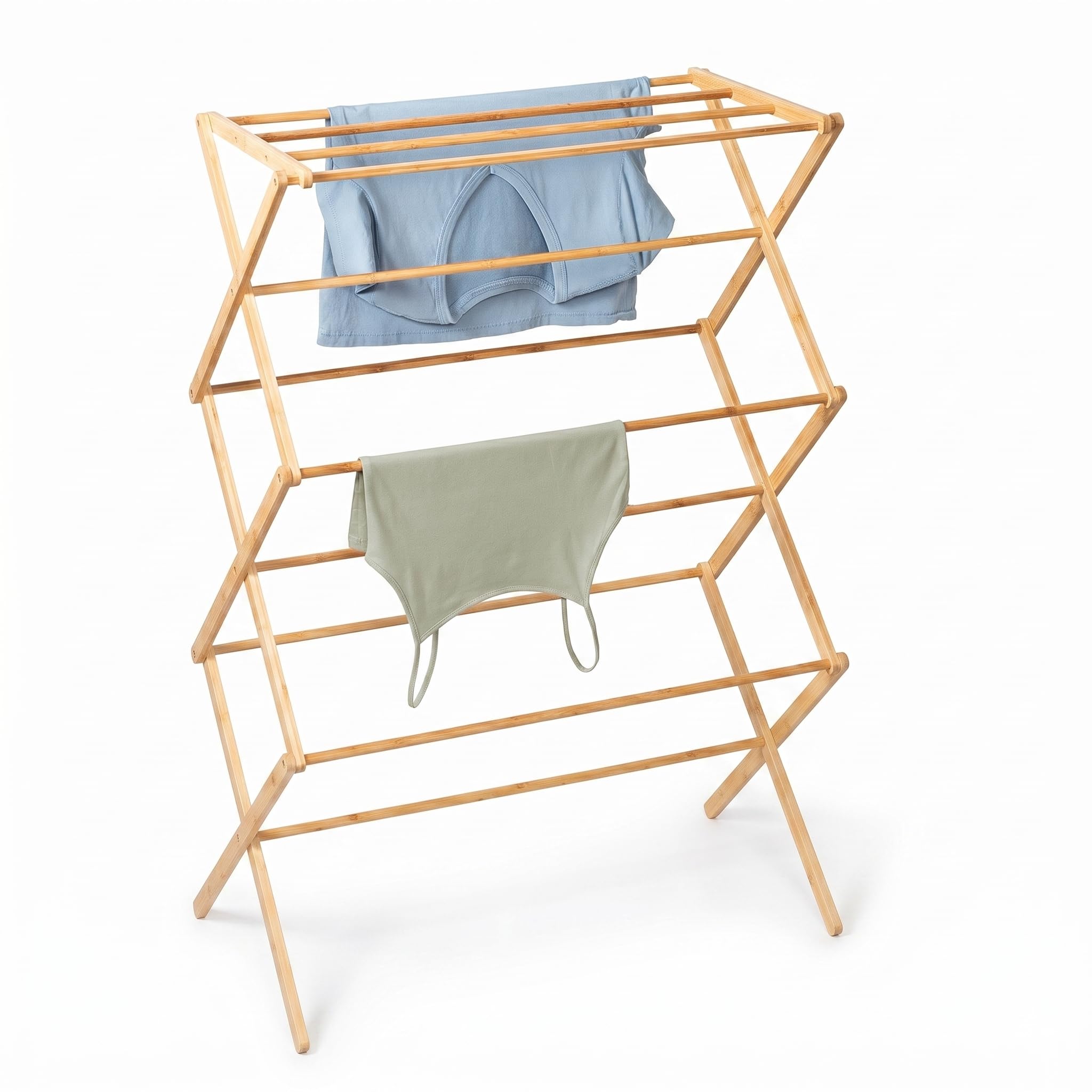
- Honey-Can-Do Bamboo Drying Rack (Honey-Can-Do Bamboo Drying Rack)
- Breathable cotton storage bag or canvas cover
1. Assess Moisture Levels
The first step is to determine the ambient humidity where the blanket is used. One should measure relative humidity with a digital hygrometer; values above 60% indicate a heightened mold risk. If the reading consistently exceeds this threshold, proactive drying and ventilation become essential. This assessment informs the frequency of subsequent cleaning and storage actions.
2. Perform Regular Surface Cleaning
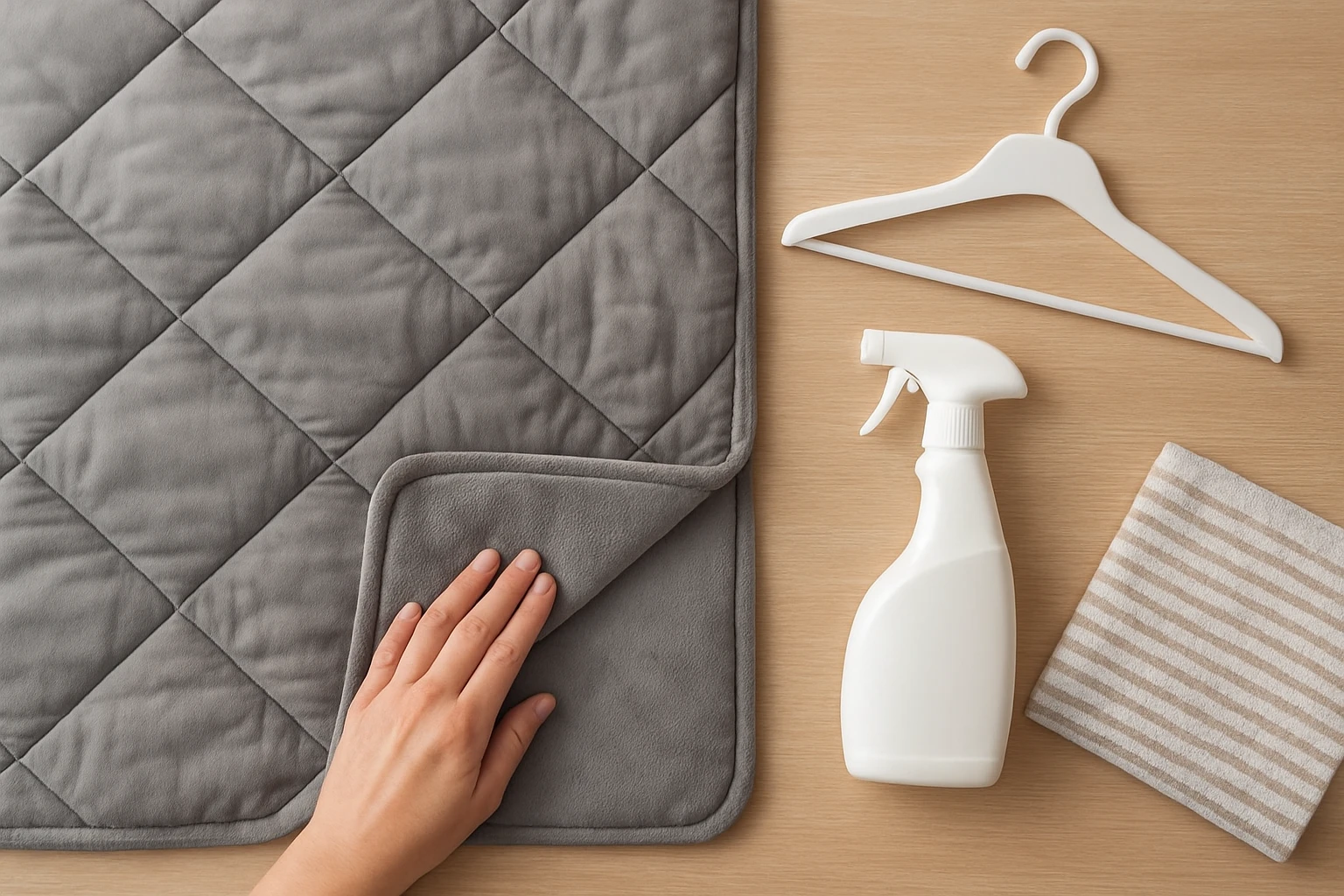
Surface cleaning removes sweat, skin oils, and environmental spores that can initiate fungal growth. Use a clean microfiber cloth dampened with a solution of one part white vinegar to three parts water; the mild acidity inhibits mold without damaging the blanket's fabric. Gently blot the blanket, focusing on seams and weighted pockets where moisture can linger. Allow the surface to air dry for at least thirty minutes before proceeding to the next step.
3. Choose an Effective Drying Method
Weighted blankets are heavy, making conventional tumble‑drying impractical for many models. Instead, lay the blanket flat on a clean surface in a well‑ventilated area, and elevate it using a drying rack. The Honey-Can-Do Bamboo Drying Rack provides 25 linear feet of drying space, allowing air to circulate around each layer of fabric. Its collapsible design enables placement on balconies, patios, or indoor rooms without permanent installation.
Why this rack is advantageous: the bamboo frame is lightweight yet sturdy, resisting warping in humid conditions, and the natural material does not retain moisture like metal. The multiple tiers accommodate the blanket's length while keeping it off the ground, preventing contact with damp flooring. Users report a 4.7 rating from over 1,500 reviewers, indicating reliability and satisfaction.
4. Optimize Airflow and Temperature
Air circulation accelerates moisture evaporation and reduces the time the blanket remains in a damp state. Position the drying rack near a fan or open window, but avoid direct sunlight that could fade colors. If a dehumidifier is available, set it to maintain relative humidity between 40% and 50% during the drying period. The combined effect of airflow and controlled humidity creates an environment hostile to mold spores.
5. Verify Complete Dryness
Before storage, ensure the blanket is thoroughly dry to the touch across all sections, including the interior weighted pockets. Press a dry microfiber cloth against the fabric; any lingering dampness will be evident as a cold spot. If moisture is detected, reposition the blanket on the drying rack and allow additional time. Complete dryness is the most critical factor in preventing mold development during storage.
6. Store in a Breathable Environment
For long‑term storage, avoid sealed plastic bags that trap humidity. Instead, place the blanket inside a breathable cotton storage bag or a canvas cover that permits air exchange while shielding the blanket from dust. Store the bag in a cool, dry closet away from appliances that generate heat or moisture. Adding silica gel packets to the storage container can further absorb residual humidity.
7. Maintain Ambient Conditions
Even after proper drying and storage, ambient conditions continue to influence mold risk. Operate a dehumidifier in the bedroom during rainy seasons, and consider using moisture‑absorbing crystals in closets where the blanket is kept. Regularly inspect the blanket for any signs of discoloration, musty odor, or surface spotting, which may indicate early mold formation.
Tips & Pro Tips
- Rotate the blanket on the drying rack halfway through the drying cycle to expose all sides to airflow.
- Use a hygrometer with an alarm function to receive alerts when humidity exceeds safe levels.
- Apply a light mist of antimicrobial spray after cleaning for added protection, ensuring the spray is compatible with the blanket's fabric.
- When traveling, pack the blanket in a breathable garment bag and place a small desiccant packet inside the luggage.
Troubleshooting
Problem: Persistent musty odor after drying.
Solution: Re‑wash the surface with a diluted vinegar solution, then extend drying time on the bamboo rack, ensuring the room temperature remains above 20°C.
Problem: Visible mold spots on weighted inserts.
Solution: Isolate the affected area, apply a mixture of hydrogen peroxide (3%) and water, let it sit for ten minutes, then rinse with a damp cloth and dry thoroughly on the rack.
Conclusion
By assessing humidity, performing regular cleaning, employing the Honey-Can-Do Bamboo Drying Rack, and storing the blanket in a breathable environment, one can effectively prevent mold in weighted blankets even in the most humid climates. Consistent monitoring and proactive maintenance safeguard the blanket's therapeutic benefits and extend its useful life. Readers are encouraged to implement these practices and enjoy a clean, mold‑free weighted blanket throughout the year.
Products Mentioned in This Guide
Frequently Asked Questions
How can I tell if the humidity in my bedroom is high enough to cause mold on a weighted blanket?
Use a hygrometer or dehumidifier’s humidity readout; levels above 60% relative humidity increase mold risk.
What regular cleaning routine helps prevent mold growth on weighted blankets?
Spot‑clean spills promptly, air‑dry the blanket weekly, and wash the cover according to the manufacturer’s instructions using mild detergent.
Can I use vinegar or antimicrobial sprays safely on my weighted blanket?
Yes, apply a diluted white vinegar solution or a mild antimicrobial spray to the surface, then let it air‑dry completely before use.
What is the best way to dry a weighted blanket after washing in a humid climate?
Lay the blanket flat on a breathable bamboo drying rack in a well‑ventilated room or near a dehumidifier until fully dry.
How should I store a weighted blanket to keep mold at bay?
Store it in a breathable cotton or canvas bag in a cool, dry place, and consider adding silica packets or a small dehumidifier.