How to Choose a Lap Pad for Adults with ADHD: The Ultimate Buyer's Guide to Weighted & Sensory Options
Introduction
Adults who live with Attention‑Deficit/Hyperactivity Disorder (ADHD) often seek tactile tools that can calm the nervous system and improve focus. A weighted lap pad offers gentle deep‑pressure stimulation, which research shows can reduce anxiety and promote sustained attention. This guide explains the science behind weighted lap pads, outlines the most important features to consider, and presents five highly rated Amazon options that meet those criteria. Readers will leave with a clear framework for evaluating products and actionable tips for integrating a lap pad into daily routines.
Throughout the article, the focus remains on evidence‑based recommendations rather than pure sales pitches. The products are highlighted because they exemplify best‑in‑class design, material quality, and user satisfaction. By the end, you will understand how to match a lap pad to your personal needs, budget, and lifestyle.
Background & Context
Weighted lap pads belong to a broader category of sensory tools that deliver deep‑touch pressure (DTP). DTP activates the parasympathetic nervous system, which can lower cortisol levels, ease racing thoughts, and create a sense of grounded calm. For adults with ADHD, this physiological response often translates into improved task persistence and reduced impulsivity.
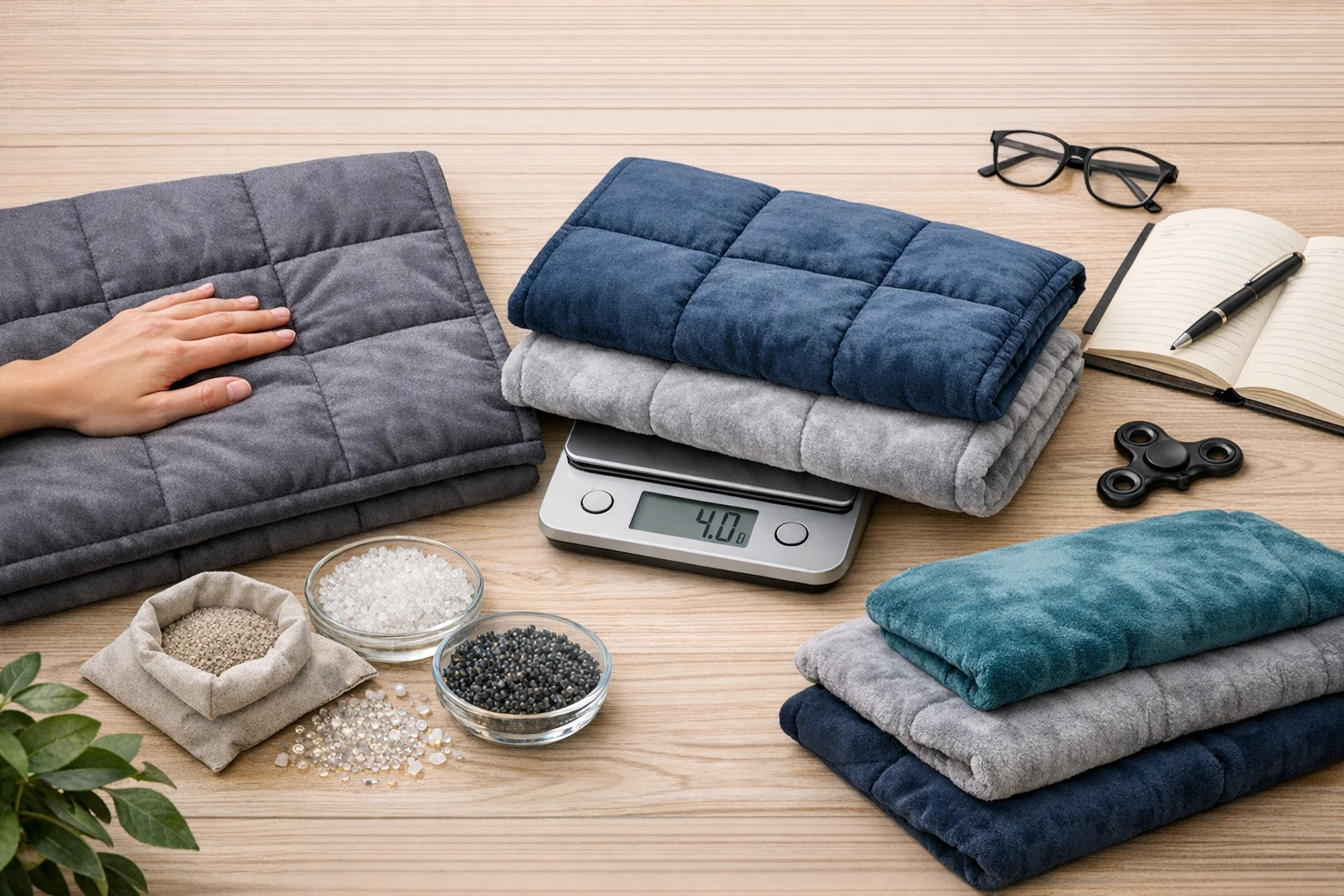
Unlike full‑size weighted blankets, lap pads are compact, portable, and designed for use while seated at a desk, during meditation, or while traveling. Their smaller dimensions allow the weight to be concentrated on the lap, shoulders, or thighs—areas where many adults experience restlessness. The typical weight range for an adult lap pad is 5–10 pounds, representing roughly 6–10 % of body weight, a guideline that balances comfort with therapeutic effect.
When selecting a lap pad, three core dimensions matter most: weight distribution, material comfort, and ease of care. Each dimension interacts with personal preferences such as temperature regulation, skin sensitivity, and mobility needs. Understanding these interactions empowers you to make a purchase that will truly support your ADHD management strategy.
Key Concepts and Product Recommendations
Weight and Size Considerations
The most effective lap pad provides enough pressure to trigger DTP without feeling oppressive. A 7‑lb pad is a common sweet spot for adults weighing between 140 lb and 230 lb. Both Kivik Weighted Lap Blanket and TONGDADA Weighted Lap Blanket deliver precisely 7 lb of evenly distributed glass‑bead weight in a 24" × 29" footprint, making them suitable for lap‑sitting, car rides, or office use.
If you prefer a lighter option for travel or for use on a hot day, the Topblan 2 lb Weighted Lap Pad offers a gentle 2‑lb pressure that can be layered with a regular lap blanket for a custom feel. Conversely, the Alomidds Weighted Lap Blanket and Florensi Weighted Lap Pad both provide 7 lb in a similar size, but each uses distinct fabric technologies that affect temperature regulation.
Material Comfort and Sensory Texture
Fabric choice influences both tactile pleasure and thermal comfort. Crystal velvet, used by Kivik, TONGDADA, and Alomidds, offers a silky, ultra‑soft surface that mimics a gentle hug. This material is OEKO‑Tex certified, meaning it is free from harmful substances and safe for sensitive skin. Florensi, on the other hand, employs a plush minky fabric blended with 70 % viscose and 30 % polyester, delivering a slightly cooler feel that many users describe as “breathable.”
Topblan’s SoftBalance7X technology incorporates breathable mesh pockets that keep the pad cool in summer while retaining warmth in winter. For individuals who experience temperature swings, this dual‑season design can reduce the need for additional layering.
Durability and Care
Weighted lap pads are an investment; therefore, easy maintenance is essential. All five products are machine‑washable on a gentle cold cycle, with tumble‑dry on low heat recommended. Kivik and Alomidds emphasize a 7‑layer construction that prevents bead leakage and reduces noise, a feature highlighted by users who value quiet during work‑from‑home sessions. Florensi’s tear‑resistant fabric and Topblan’s reinforced stitching similarly extend product lifespan.
When evaluating durability, consider the warranty and return policy provided by the seller. Most of the featured items have a 30‑day satisfaction guarantee, which adds a safety net for first‑time weighted‑blanket buyers.
Comparison & Selection Guide
| Product | Weight | Dimensions | Fabric | Price | Rating (Reviews) |
|---|---|---|---|---|---|
| Kivik Weighted Lap Blanket | 7 lb | 24" × 29" | Double‑sided crystal velvet (OEKO‑Tex) | $43.99 | 4.6/5 (360) |
| TONGDADA Weighted Lap Blanket | 7 lb | 24" × 29" | Crystal velvet with wavy quilting | $24.61 | 4.8/5 (158) |
| Alomidds Weighted Lap Blanket | 7 lb | 24" × 29" | Crystal velvet, 50 diamond‑grid bead chambers | $25.99 | 4.6/5 (178) |
| Topblan 2 lb Weighted Lap Pad | 2 lb | 19" × 21" | SoftBalance7X breathable mesh | $25.99 | 4.7/5 (1,065) |
| Florensi Weighted Lap Pad | 7 lb | 20" × 23" | Minky fabric (70 % viscose / 30 % polyester) | $29.99 | 4.6/5 (851) |
To choose the right product, answer the following three questions:
- What is your preferred weight range? If you are new to weighted therapy, start with 5 lb or less and progress to 7 lb.
- Do you prioritize temperature regulation? For hot climates, Florensi’s minky blend or Topblan’s breathable mesh are advantageous.
- Is portability a top priority? The compact size of Topblan and the included travel bag of Kivik make them ideal for frequent travelers.
Matching your answers to the comparison table will narrow the field to the product that best aligns with your lifestyle and sensory preferences.
Best Practices & Tips for Using a Weighted Lap Pad
- Start with short sessions. Begin with 10‑15 minutes of lap‑pad use while reading or meditating, then gradually increase to 30‑45 minutes as your body adapts.
- Pair with grounding techniques. Combine the pad with deep‑breathing exercises or the Pomodoro method to maximize focus during work blocks.
- Maintain consistent placement. Position the pad so that the weight rests evenly across the thighs or lap; uneven pressure can cause discomfort.
- Keep the pad clean. Follow manufacturer washing instructions—cold gentle cycle and low‑heat drying—to preserve bead integrity and fabric softness.
- Monitor temperature. If you feel overheated, remove the pad for short breaks or choose a breathable fabric like Topblan’s mesh.
- Combine with a structured environment. A clutter‑free workspace, consistent lighting, and scheduled breaks amplify the therapeutic benefits of DTP.
Frequently Asked Questions
1. How much weight should an adult with ADHD use?
The general guideline is 6‑10 % of body weight. For a 150‑lb adult, a 7‑lb lap pad falls within this range and provides noticeable calming effects without excessive restriction.
2. Can a weighted lap pad replace medication?
No. Weighted therapy is a complementary tool that may reduce anxiety and improve focus, but it does not substitute for prescribed ADHD medication or professional treatment.
3. Are glass beads safe?
All featured products use non‑toxic, odorless glass beads that are sealed within individual pockets. This construction prevents leakage and minimizes noise, ensuring a safe and quiet experience.
4. Will the lap pad cause overheating?
Fabric choice determines heat retention. Crystal velvet retains warmth, making it suitable for cooler environments, while Topblan’s breathable mesh and Florensi’s minky blend allow better airflow for warmer settings.
5. How often should I wash my lap pad?
Machine‑wash the cover once every two weeks or whenever it becomes visibly soiled. Use a gentle cycle with cold water and tumble dry on low heat to maintain bead distribution.
6. Can children use these adult‑sized pads?
Only if the weight matches the 6‑10 % guideline for the child's body weight. For younger users, Topblan offers a 2‑lb version that is specifically marketed for children over three years old.
Conclusion
Choosing a weighted lap pad for adult ADHD involves balancing therapeutic weight, fabric comfort, portability, and budget. The five products highlighted in this guide each excel in specific categories—whether it is the luxurious crystal‑velvet feel of Kivik, the budget‑friendly price of TONGDADA, the travel‑ready design of Topblan, or the cooling minky texture of Florensi.
By applying the weight‑percentage rule, assessing climate needs, and following the best‑practice tips, you can integrate a lap pad into your daily routine to foster calm, enhance focus, and support overall well‑being. Remember that consistency, combined with other ADHD management strategies, yields the greatest benefit.
Products Featured in This Guide
Kivik Weighted Lap Blanket
Price: $43.99 | Rating: 4.6/5 (360 reviews)
Featured for its double‑sided crystal velvet, 7‑layer bead chamber, and travel bag that make it a premium, portable option.
TONGDADA Weighted Lap Blanket
Price: $24.61 | Rating: 4.8/5 (158 reviews)
Highlighted for its affordable price, wavy quilting that enhances pressure distribution, and soft crystal‑velvet surface.
Alomidds Weighted Lap Blanket
Price: $25.99 | Rating: 4.6/5 (178 reviews)
Chosen for its diamond‑grid bead chambers, luxurious double‑sided velvet, and strong focus on even weight distribution.
Topblan 2 lb Weighted Lap Pad
Price: $25.99 | Rating: 4.7/5 (1,065 reviews)
Featured for its breathable SoftBalance7X technology, light 2‑lb weight ideal for beginners, and kid‑friendly safety guidelines.
Florensi Weighted Lap Pad
Price: $29.99 | Rating: 4.6/5 (851 reviews)
Highlighted for its soothing blue‑constellation design, breathable minky fabric, and versatile use as a sensory aid for both kids and adults.
Frequently Asked Questions
What is a weighted lap pad and how does it help adults with ADHD?
A weighted lap pad is a tactile tool that provides deep‑pressure stimulation, which can calm the nervous system, lower anxiety, and improve focus for adults with ADHD.
Which features should I prioritize when selecting a lap pad?
Look for appropriate weight (5‑15 % of body weight), breathable fabric, removable covers, and a size that fits comfortably on your lap.
Can a lap pad be used while working or studying?
Yes, many users place a lap pad on their desk or lap during tasks to maintain steady pressure without disrupting productivity.
Are there specific materials that are better for sensory comfort?
Natural fabrics like cotton or bamboo are ideal because they are soft, hypoallergenic, and allow airflow, reducing heat buildup.
How do I determine the right weight for my lap pad?
Start with a pad weighing about 10 % of your body weight; adjust up or down based on comfort and the level of pressure you need.