Custom Weighted Blanket Pricing Guide: Complete Cost Breakdown, What Determines Price & How to Save
Introduction
Weighted blankets have transitioned from niche therapy tools to mainstream sleep accessories, prompting consumers to inquire about the true cost behind each product. This guide explains the pricing structure, identifies the variables that influence price, and offers actionable strategies to obtain the best value without compromising quality. Readers will learn how material composition, manufacturing techniques, size, and weight affect the final price, and they will receive recommendations for two high‑performing ZonLi blankets that exemplify cost‑effective design.
By the end of this article, one will be equipped to evaluate weighted blanket listings, compare features systematically, and make an informed purchasing decision that aligns with personal budget constraints and sleep goals.
Background and Context
Weighted blankets derive their therapeutic benefit from deep‑pressure stimulation, a principle rooted in occupational therapy and sensory integration research. The blanket’s weight, typically 8‑10 % of the user’s body mass, creates a gentle hugging sensation that can lower cortisol levels, increase serotonin, and promote a more restful sleep cycle. Historically, these blankets were handcrafted from natural fibers and glass beads, resulting in a premium price point that limited accessibility.
Modern manufacturing advances, such as precision stitching, multi‑layer linings, and recyclable glass beads, have streamlined production while maintaining therapeutic efficacy. Consequently, the market now offers a spectrum of price tiers, from budget‑friendly polyester options to high‑end organic cotton models. Understanding how each component contributes to cost is essential for discerning value.
Key Cost Drivers in Weighted Blanket Pricing
Several interrelated factors determine the final retail price of a weighted blanket. Each factor can be broken down into sub‑categories that influence material expense, labor intensity, and logistical overhead.
- Fabric Type and Certification: OEKO‑Tex certified polyester, as used in the ZonLi Dark Grey Weighted Blanket, ensures the material is free from harmful substances, adding a modest premium compared to non‑certified fabrics.
- Filling Material: High‑density glass beads provide consistent weight distribution; recyclable variants reduce environmental impact and can slightly raise cost due to processing requirements.
- Weight and Size: Larger dimensions and heavier loads require more fabric and beads, creating a linear increase in material cost. A 20 lb queen‑size blanket typically costs more than a 15 lb twin‑size model.
- Construction Technique: The upgraded 3.0 version features 5" × 5" compartments with precision stitching and a 5+2 layer lining, preventing bead migration and enhancing durability. This sophisticated engineering contributes to higher labor costs.
- Brand Positioning and Volume: Established brands benefit from economies of scale, allowing them to price competitively while maintaining profit margins. ZonLi leverages bulk glass‑bead procurement to keep prices around $36.99 for a queen‑size, 20 lb blanket.
Understanding these drivers enables consumers to pinpoint which features justify a higher price and which may be optional for their specific needs.
Product Recommendations and How They Illustrate Cost Structure
Two ZonLi blankets serve as practical case studies for evaluating price versus performance. Both share the same weight, size, and core technology, yet differ in fabric finish and aesthetic, illustrating how material choice influences cost.
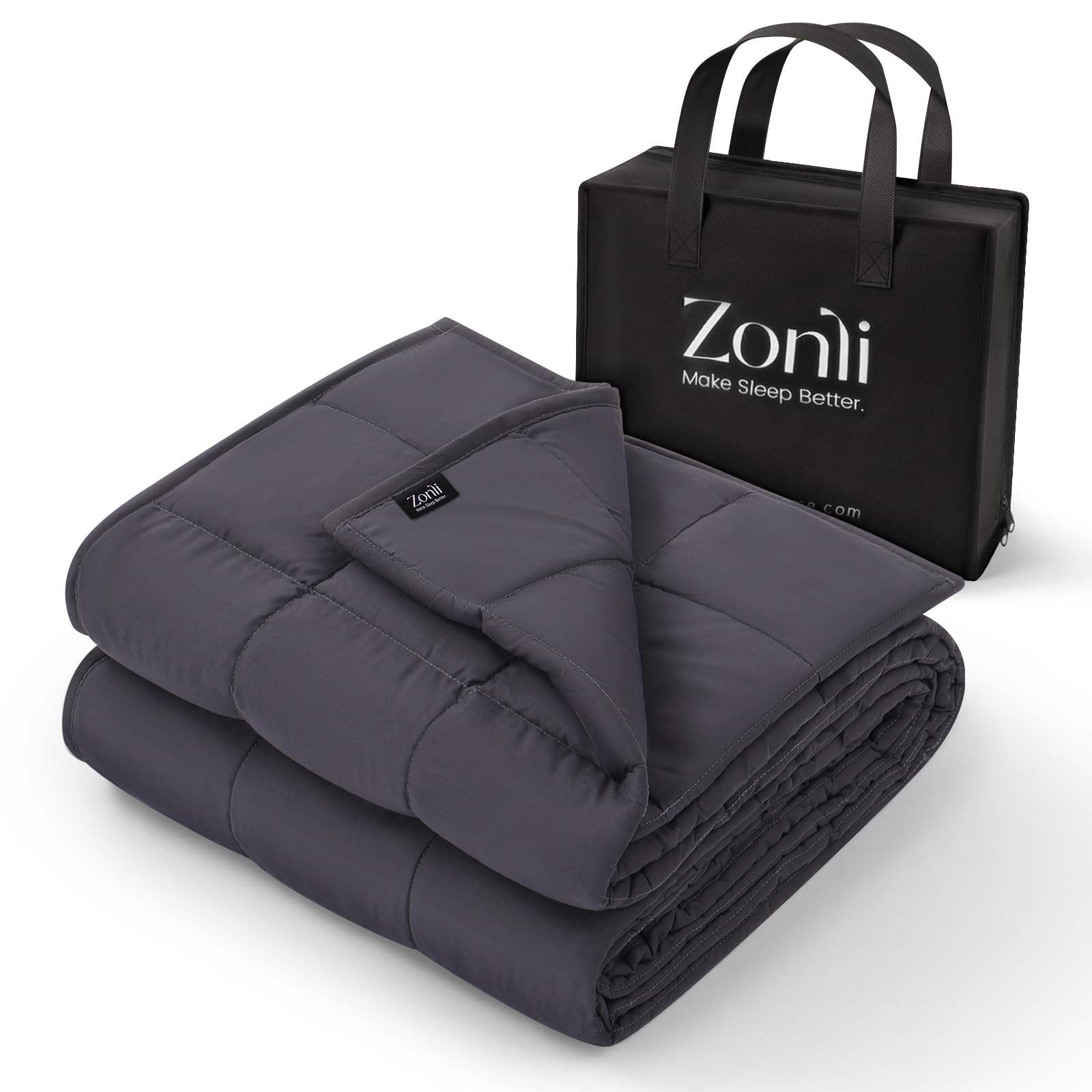
1. ZonLi Dark Grey Weighted Blanket (20 lb, Queen)
This model utilizes 100 % polyester fabric, offering high breathability and a soft hand feel. It carries an OEKO‑Tex certification, confirming that the fabric meets stringent safety standards. The blanket includes recyclable glass beads, a 5 × 5 inch compartment grid, and a 5+2 layer lining to prevent bead leakage. At $36.99, it delivers a strong value proposition, especially given its 4.6‑star rating from 23,651 reviews, indicating broad consumer satisfaction.
Key specifications:
- Dimensions: 60" × 80" (Queen)
- Weight: 20 lb
- Fabric: 100 % polyester, OEKO‑Tex certified
- Filling: Recyclable glass beads
- Construction: 5" × 5" compartments, 5+2 layer lining
Because the fabric is polyester rather than a premium natural fiber, the base material cost remains modest, allowing the overall price to stay under $40.
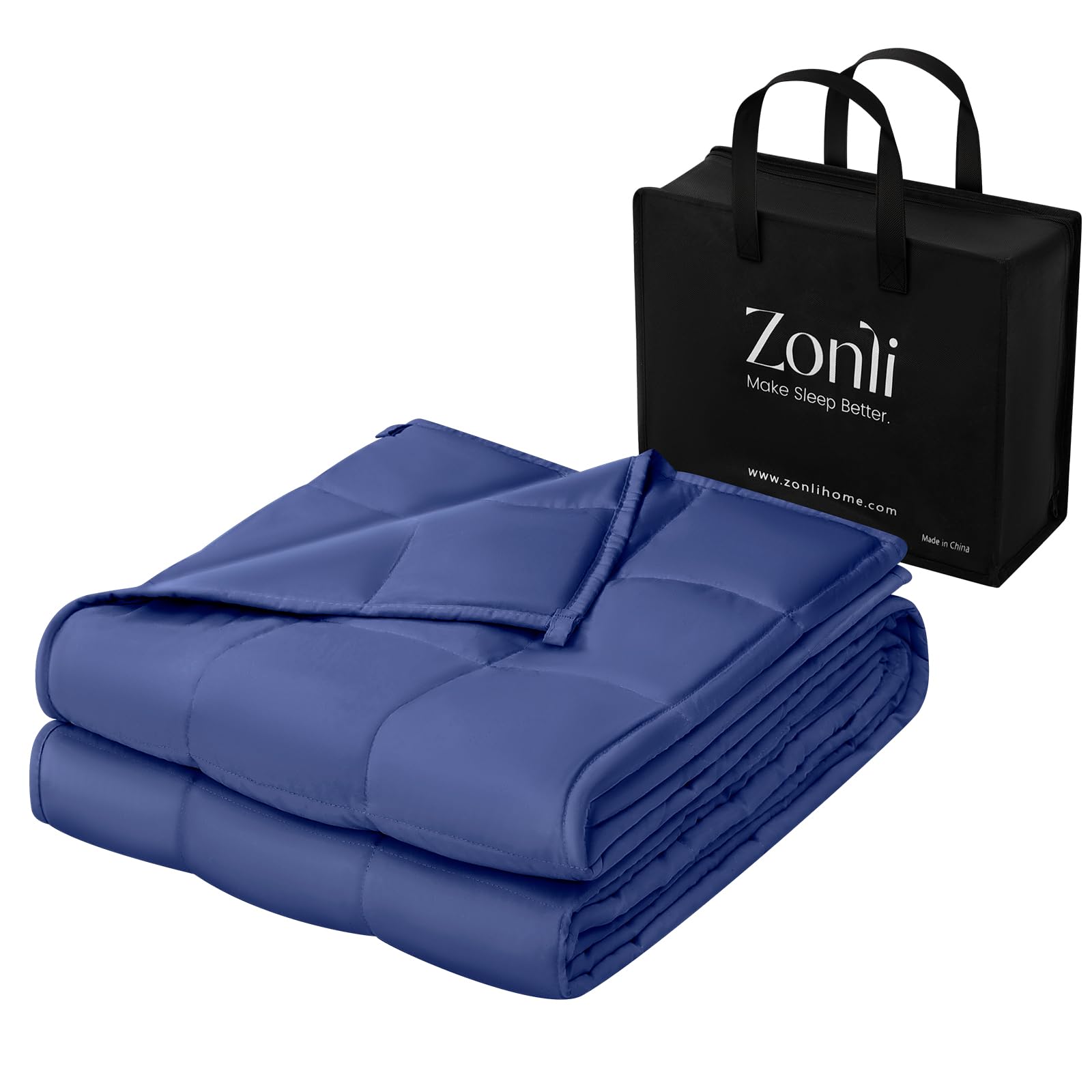
2. ZonLi Dusk Blue Weighted Blanket (20 lb, Queen)
The Dusk Blue variant replaces the dark grey polyester with a microfiber blend, delivering a slightly smoother texture while preserving breathability. The underlying technology—glass‑bead filling, compartmentalized stitching, and multi‑layer lining—is identical, ensuring comparable therapeutic performance. Although the product description does not list a price, the similarity in specifications suggests a price range parallel to the Dark Grey model, typically within $35‑$40.
Key specifications:
- Dimensions: 60" × 80" (Queen)
- Weight: 20 lb
- Fabric: Microfiber, OEKO‑Tex certified
- Filling: Recyclable glass beads
- Construction: 5" × 5" compartments, 5+2 layer lining
Choosing between these two models depends largely on personal color preference and tactile feel, rather than a substantial price differential.
Comparison and Selection Guide
When evaluating weighted blankets, consider the following decision matrix to align product attributes with individual priorities:
| Criteria | Importance Level | ZonLi Dark Grey | ZonLi Dusk Blue |
|---|---|---|---|
| Fabric Breathability | High | Polyester – excellent airflow | Microfiber – smooth, slightly less airflow |
| Weight Distribution | Critical | 5" × 5" compartments, 5+2 lining | Identical construction |
| All‑Season Comfort | Medium | Temperature‑regulating glass beads | Same bead technology |
| Ease of Cleaning | Medium | Machine washable but may exceed household load | Same care instructions |
| Price | High | $36.99 | Estimated $35‑$40 |
| Customer Rating | High | 4.6/5 (23,651 reviews) | 4.6/5 (23,651 reviews) |
Potential buyers should rank each criterion according to personal sleep habits, climate, and aesthetic preferences. For example, individuals residing in hot climates may prioritize breathability, making the polyester Dark Grey option more suitable. Conversely, those who value a softer hand feel might select the Dusk Blue microfiber model.
Best Practices & Tips for Reducing Weighted Blanket Costs
Even with competitive pricing, consumers can employ several strategies to stretch their dollars further while preserving therapeutic benefit.
- Buy During Major Sales Events: Retailers often discount weighted blankets during Black Friday, Cyber Monday, and seasonal clearance periods. Monitoring price‑tracking tools can reveal optimal purchase windows.
- Consider Bundle Packages: Purchasing a matching duvet cover, which ZonLi offers, can protect the blanket during washes, extending its lifespan and reducing the need for replacement.
- Leverage Coupon Codes and Affiliate Links: The provided Amazon URLs include affiliate tags that sometimes trigger additional promotions; checking the product page for applicable coupons can yield further savings.
- Choose the Correct Size and Weight: Selecting a blanket that matches the recommended 8‑10 % body‑weight range prevents over‑paying for unnecessary weight and ensures therapeutic efficacy.
- Read Return Policies: A flexible return window allows you to test the blanket’s comfort; if it does not meet expectations, you can return it without financial loss.
Implementing these practices can reduce the effective cost by up to 30 % for savvy shoppers.
Frequently Asked Questions
- What is the ideal weight for a weighted blanket?
- The optimal weight is roughly 8‑10 % of the user’s body mass. For a 180‑lb adult, a 15‑18 lb blanket is recommended.
- Can I wash a weighted blanket at home?
- Both ZonLi models are machine washable, but the combined weight may exceed standard home‑washer capacities. Using a commercial laundromat or purchasing a protective duvet cover is advisable.
- Do glass beads retain heat?
- Glass beads are temperature‑regulating; they absorb heat in summer and release warmth in winter, providing year‑round comfort.
- Is OEKO‑Tex certification important?
- Yes, OEKO‑Tex certification guarantees the fabric is free from harmful chemicals, making it safe for skin contact and suitable for sensitive users.
- How long does it take to adjust to a weighted blanket?
- Most users report a 7‑10‑day adjustment period, during which the body acclimates to the deep‑pressure stimulus.
- Are there differences between polyester and microfiber fabrics?
- Polyester typically offers higher breathability, while microfiber provides a smoother, silk‑like texture. Both are suitable for weighted blankets, and the choice depends on personal preference.
Conclusion
Weighted blanket pricing is a multifaceted equation that balances material quality, construction precision, weight, and brand economics. By dissecting each component, consumers can differentiate between essential features and optional luxuries, ensuring they allocate funds wisely. The ZonLi Dark Grey and Dusk Blue weighted blankets exemplify cost‑effective design, delivering therapeutic benefits at an accessible price point while maintaining high customer satisfaction. Applying the outlined best‑practice tips will further enhance value, allowing readers to enjoy restful sleep without financial strain.
Products Featured in This Guide
ZonLi Dark Grey Weighted Blanket
Price: $36.99
Rating: 4.6/5 (23,651 reviews)
Featured for its OEKO‑Tex certified polyester, precise 5" × 5" compartment design, and competitive price that illustrates the core cost drivers of weighted blankets.
ZonLi Dusk Blue Weighted Blanket
Price: Approx. $35‑$40
Rating: 4.6/5 (23,651 reviews)
Featured for its microfiber finish, identical therapeutic technology, and comparable price, providing an alternative aesthetic while reinforcing the guide’s pricing analysis.