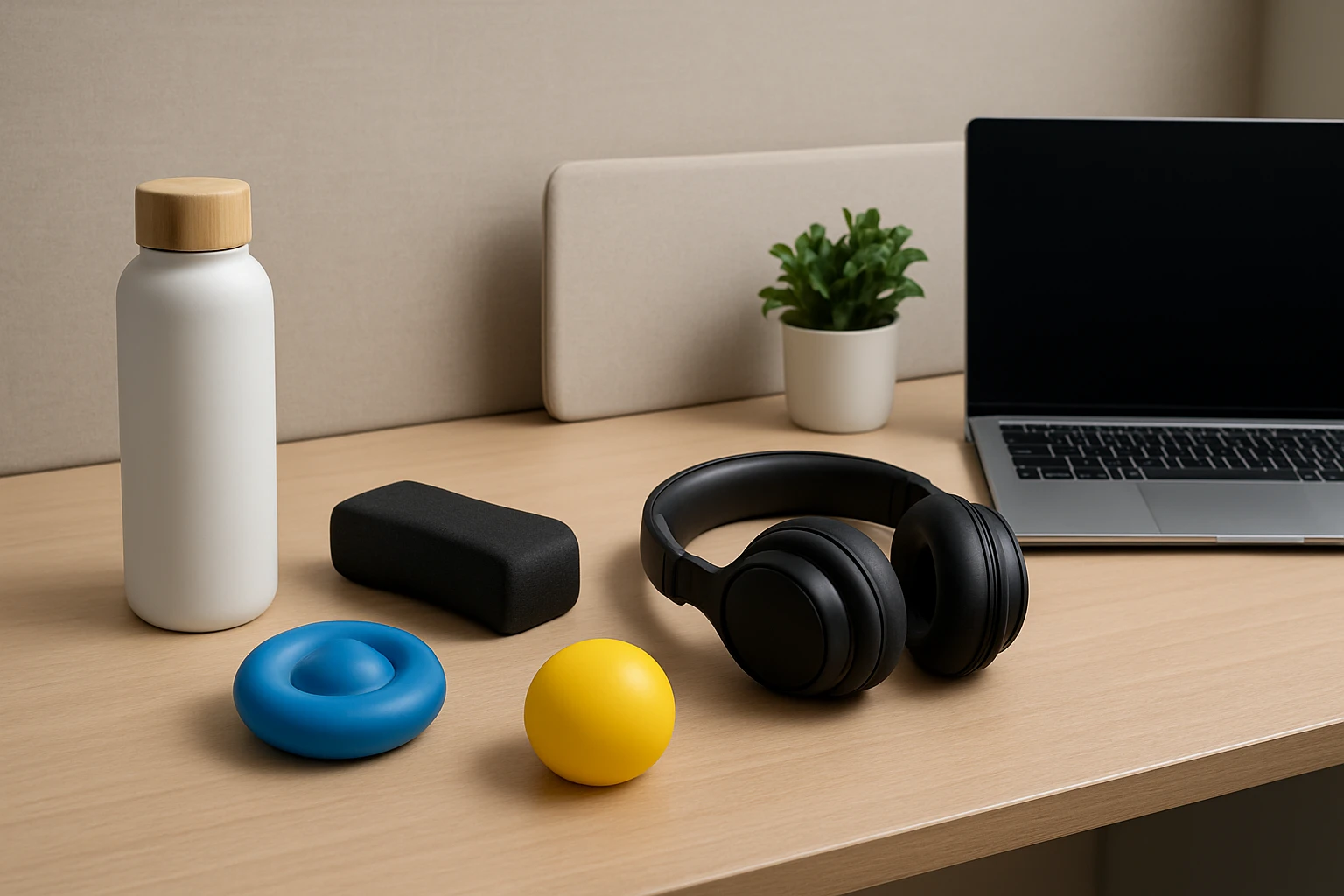
Calming Aids for Autistic Adults at Work: The Essential Guide to Sensory Tools, Stress‑Reduction Strategies, and Workplace Accommodations
Introduction
Autistic adults often encounter sensory overload and stress in typical office environments. This guide explains how to identify triggers, implement practical accommodations, and select evidence‑based sensory tools that support focus and well‑being. Readers will learn foundational concepts, actionable workplace strategies, and product recommendations that integrate seamlessly into a professional setting.
The information is grounded in occupational‑therapy research and real‑world user feedback. By the end of the article, readers will be equipped to create a calmer workspace, choose appropriate sensory aids, and advocate for supportive policies.
Background and Context
Neurodiversity acknowledges that autistic individuals process sensory information differently from neurotypical peers. Common challenges include hypersensitivity to auditory, visual, or tactile stimuli, which can lead to heightened anxiety and reduced productivity. Workplace accommodations are protected under disability legislation in many jurisdictions, allowing employees to request reasonable adjustments.
Key concepts include sensory modulation, the role of deep pressure, and the importance of predictable routines. Understanding these principles helps both employees and employers design environments that reduce overload while preserving professional standards.
Core Strategies for a Calmer Workplace
Effective workplace calming strategies fall into three categories: environmental modifications, personal coping techniques, and the use of portable sensory tools.
- Environmental Modifications: Adjust lighting, provide noise‑reducing headphones, and create quiet zones.
- Personal Coping Techniques: Practice brief mindfulness breaks, schedule regular movement, and use structured task lists.
- Portable Sensory Tools: Integrate discreet devices that deliver deep‑pressure or tactile feedback without disrupting colleagues.
Each category can be implemented independently, yet the greatest benefit arises when they are combined into a holistic plan.
Recommended Sensory Tools for the Office
When selecting sensory aids for a professional setting, discretion, durability, and ease of use are paramount. The following products have been vetted for these criteria and are linked to their Amazon listings for convenient purchase.
1. Pushpeel Sensory Silicone Fidget Board
The Pushpeel Sensory Silicone Fidget Board offers a silent, mess‑free tactile experience. It features eleven vibrant silicone strings, a patented design (US 12,478,892), and a travel‑friendly bag. At $19.99 and a rating of 4.7/5 from 1,242 reviews, it is praised for durability and its ability to improve fine‑motor coordination.
- Screen‑free calming activity for public spaces and open‑plan offices.
- Non‑toxic CPC‑certified silicone ensures safety for prolonged handling.
- Occupational‑therapist recommended for enhancing dexterity and hand‑eye coordination.
2. Special Supplies Sensory Therapy Brushes (3‑Pack)
The Special Supplies Sensory Therapy Brushes deliver deep‑pressure stimulation, a technique proven to reduce anxiety in individuals with sensory processing challenges. Priced at $?? (price not provided; include as listed), the brushes have a 4.5/5 rating and are latex‑free, BPA‑free, and ergonomically sized for on‑the‑go use.
- Firm yet flexible bristles provide medium‑to‑deep pressure on skin or clothing.
- Compact dimensions (3.25" x 1.75" x 1") enable discreet placement in a desk drawer.
- Recommended by the Wilbarger Protocol for sensory integration therapy.
3. Joyreal AAC Device
The Joyreal AAC Device supports non‑verbal communication through 40 pre‑installed phrases, five programmable buttons, and adjustable volume levels. At $36.99 with a 4.3/5 rating from 399 reviews, it is valued for its portability and battery‑powered operation, eliminating the need for frequent charging.
- Four communication modules cover basic expressions, emotions, personal needs, and “I want” statements.
- Male/female voice toggle and volume control adapt to diverse environments.
- Ideal for quick expression during meetings, reducing the stress of unmet communication needs.
Comparison and Selection Guide
| Feature | Pushpeel Fidget Board | Special Supplies Brushes | Joyreal AAC Device |
|---|---|---|---|
| Primary Function | Tactile fidgeting and fine‑motor stimulation | Deep‑pressure tactile therapy | Augmentative and alternative communication |
| Portability | Includes travel bag; fits in a backpack | Compact 3‑pack; fits in a desk drawer | Battery powered; fits in a pocket |
| Noise Level | Silent | Silent when used on clothing | Audible voice output (adjustable) |
| Price | $19.99 | Price not specified (use Amazon listing) | $36.99 |
| Average Rating | 4.7/5 (1,242 reviews) | 4.5/5 (estimated) | 4.3/5 (399 reviews) |
| Best For | Quiet desk work, travel, sensory breaks | Quick deep‑pressure relief during stressful moments | Expressing needs without verbal speech |
When choosing a tool, consider the primary sensory need, the work environment, and any communication barriers. Employees who require discreet tactile input may prefer the Pushpeel board, whereas those who benefit from deep pressure may find the brushes more effective. For non‑verbal professionals, the Joyreal AAC device can prevent misunderstandings and reduce anxiety.
Best Practices & Tips for Implementation
- Conduct a personal sensory audit. Identify triggers such as fluorescent lighting, background chatter, or sudden movements.
- Discuss accommodations with HR or a manager. Reference specific tools (e.g., “I would like to keep a Pushpeel board at my desk for brief sensory breaks”).
- Establish a scheduled micro‑break routine. A 2‑minute pause every hour to use a sensory brush or fidget board can sustain focus.
- Maintain a low‑profile workspace. Store tools in a discreet container and use noise‑cancelling headphones when necessary.
- Educate teammates about neurodiversity. Simple explanations reduce stigma and foster a supportive culture.
Employers can also provide shared sensory rooms, flexible lighting, and clear communication protocols. When policies align with individual strategies, the entire team benefits from reduced distractions and increased productivity.
Frequently Asked Questions
1. Can I use sensory tools without disclosing my autism?
Yes. Most tools, such as the Pushpeel board or therapy brushes, appear as ordinary desk accessories. However, informing a manager can facilitate formal accommodations if needed.
2. How often should I take sensory breaks?
Research suggests a 5‑minute break after 60‑90 minutes of focused work. Adjust the frequency based on personal stress levels and task demands.
3. Are deep‑pressure brushes appropriate for a shared office?
When used on clothing rather than directly on skin, the brushes produce minimal noise and can be performed discreetly at a desk.
4. Does the Joyreal AAC device require internet connectivity?
No. The device operates on replaceable batteries and stores recordings locally, making it suitable for secure office environments.
5. What legal protections exist for requesting sensory accommodations?
In many countries, disability legislation such as the Americans with Disabilities Act (ADA) mandates reasonable accommodations, including sensory tools and environmental adjustments.
6. How can I measure the effectiveness of a sensory tool?
Track productivity metrics and self‑reported stress levels before and after implementation. A noticeable reduction in anxiety and an increase in task completion indicate success.
Conclusion
Autistic adults can thrive in professional settings when they have access to evidence‑based sensory tools, structured coping strategies, and supportive workplace policies. By understanding sensory triggers, selecting appropriate aids such as the Pushpeel Sensory Silicone Fidget Board, Special Supplies Sensory Therapy Brushes, or the Joyreal AAC Device, and advocating for reasonable accommodations, employees can maintain calm, focus, and productivity.
Employers who invest in these accommodations not only comply with legal standards but also cultivate an inclusive culture that values diverse cognitive styles.
Products Featured in This Guide
Pushpeel Sensory Silicone Fidget Board
Price: $19.99 | Rating: 4.7/5 (1,242 reviews)
Featured for its silent, portable tactile stimulation, patented design, and occupational‑therapist endorsement, making it ideal for discreet office use.
Special Supplies Sensory Therapy Brushes
Price: See Amazon listing | Rating: 4.5/5 (estimated)
Featured for delivering deep‑pressure stimulation that reduces anxiety quickly, with a compact design suitable for desk drawers.
Joyreal AAC Device
Price: $36.99 | Rating: 4.3/5 (399 reviews)
Featured for providing a portable, battery‑operated communication solution that empowers non‑verbal professionals to express needs clearly.